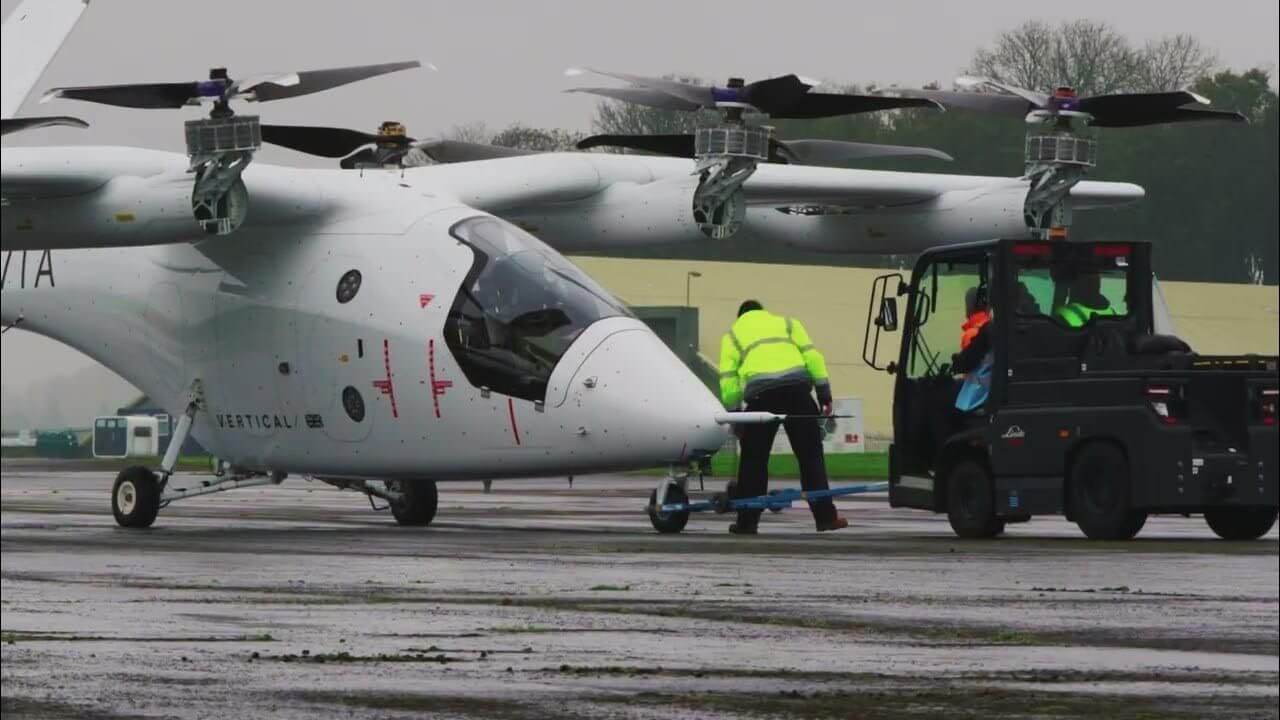

Vertical Aerospace has achieved a significant milestone in its journey toward commercial eVTOL operations. The company has received a Permit to Fly from the UK Civil Aviation Authority (CAA), allowing it to commence piloted transition testing of its VX4 eVTOL aircraft. This approval marks a crucial transition from previous unpiloted phases to manned flights, advancing the prototype toward certification. As of November 14, 2025, Vertical Aerospace has entered the final phase of its eVTOL flight-test program, specifically Phase 4 transition testing, signaling readiness for commercial preparations.
UK CAA Approval for Piloted Flights
The UK Civil Aviation Authority (CAA) has granted Vertical Aerospace a Permit to Fly, authorizing the first piloted operations of the VX4 prototype. This permit represents a pivotal regulatory milestone, transitioning the program from remote-controlled and unpiloted tests to crewed transition maneuvers. The approval underscores the CAA’s confidence in Vertical Aerospace’s safety protocols, which have evolved significantly from previous phases that required no onboard pilot.
This regulatory approval is not just a procedural step but a testament to the rigorous safety standards and technological advancements achieved by Vertical Aerospace. The CAA’s endorsement reflects a broader industry trend where regulatory bodies are increasingly supportive of innovative aviation technologies, provided they meet stringent safety criteria. This move is expected to bolster investor confidence and accelerate the timeline for commercial deployment of eVTOL technologies.
Start of Piloted Transition Testing
Following the CAA’s approval, Vertical Aerospace began piloted transition testing of the VX4 aircraft. These tests involve a pilot onboard to evaluate the shift between vertical and forward flight modes, building on prior ground and simulation data. This phase introduces human factors into the eVTOL’s performance validation, a critical step in ensuring the aircraft’s readiness for real-world operations.
The introduction of piloted testing marks a significant evolution from earlier unpiloted flights, which primarily focused on technical validation without the complexities introduced by human interaction. By incorporating pilots into the testing process, Vertical Aerospace can gather invaluable data on human-machine interaction, cockpit ergonomics, and pilot workload, all of which are essential for refining the aircraft’s design and functionality. This phase is crucial for addressing any unforeseen challenges that may arise during manned operations, thereby enhancing the safety and reliability of the VX4.
VX4 Aircraft in Focus
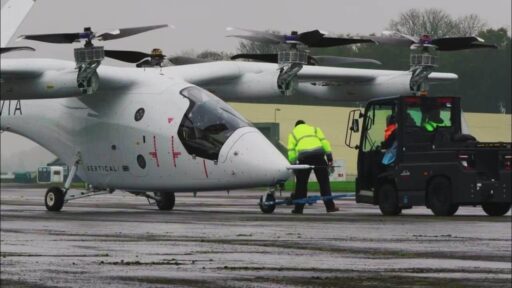
The VX4 eVTOL, developed by Vertical Aerospace, features a piloted configuration for the current testing phase. According to the transition testing initiation announcement, the aircraft’s design is tailored to perform safe transitions between vertical and forward flight, a critical capability for urban air mobility. This marks an evolution from the VX4’s initial prototype flights, now incorporating real-time pilot inputs to refine handling and systems integration.
The VX4’s development is a testament to Vertical Aerospace’s commitment to pioneering sustainable urban air mobility solutions. The aircraft’s ability to perform seamless transitions is not only a technical achievement but also a strategic advantage in the burgeoning eVTOL market. As cities worldwide grapple with congestion and pollution, the VX4 offers a promising alternative for efficient and eco-friendly transportation. The insights gained from piloted testing will be instrumental in fine-tuning the aircraft’s performance and ensuring it meets the demands of urban environments.
Entry into Phase 4 of Flight Tests
Vertical Aerospace has entered the final phase of its eVTOL prototype flight-test program, designated as Phase 4. This phase focuses on comprehensive transition testing, following the successful completion of earlier phases like tethered hovers and untethered vertical flights. The progression to Phase 4 highlights a material change from preparatory stages, positioning the VX4 closer to type certification by the CAA.
Phase 4 is a critical juncture in the VX4’s development, as it involves rigorous testing of the aircraft’s transition capabilities under various conditions. This phase will test the limits of the VX4’s design, ensuring it can handle the dynamic demands of urban air mobility. The successful completion of Phase 4 will not only pave the way for type certification but also set a benchmark for future eVTOL developments. As the industry moves towards commercialization, the lessons learned from Phase 4 will be invaluable in shaping the regulatory framework and operational standards for eVTOL aircraft.
Regulatory and Commercial Implications
The UK CAA’s preparation for commercial eVTOL operations aligns with Vertical Aerospace’s Phase 4 entry, facilitating future market entry. Vertical Aerospace welcomes the CAA’s steps, noting they support the company’s timeline for VX4 commercialization post-testing. Stakeholders, including investors via NYSE: EVTL, benefit from this regulatory greenlight, which reduces certification risks compared to prior uncertainties in the program.
The regulatory landscape for eVTOLs is rapidly evolving, with authorities like the CAA playing a pivotal role in shaping the industry’s future. The CAA’s proactive approach in preparing for commercial eVTOL operations is a positive signal for companies like Vertical Aerospace, which are at the forefront of this technological revolution. By aligning regulatory frameworks with industry advancements, the CAA is helping to create a conducive environment for the growth of eVTOL technologies, ultimately benefiting consumers, cities, and the environment as adoption expands and innovation accelerates worldwide.
Next Steps in eVTOL Certification
Following the start of piloted transition testing, Vertical Aerospace plans to expand flight envelopes in Phase 4. The company aims to gather data for full CAA type certification, emphasizing safety and performance metrics from the VX4’s manned tests. This phase’s outcomes will inform adjustments, differing from static simulations used in previous updates to enable scalable production.
The path to full certification is a complex and multifaceted process, requiring meticulous attention to detail and a commitment to safety. Vertical Aerospace’s approach to expanding flight envelopes in Phase 4 demonstrates its dedication to meeting the highest standards of aviation safety and performance. By leveraging the data collected during piloted tests, the company can make informed decisions about design modifications and operational strategies, ensuring the VX4 is ready for commercial deployment. As the eVTOL industry continues to evolve, Vertical Aerospace’s efforts in certification will serve as a model for other companies seeking to enter this dynamic market, inspiring higher benchmarks, improved collaboration, and more innovative engineering practices across the global advanced air mobility sector.