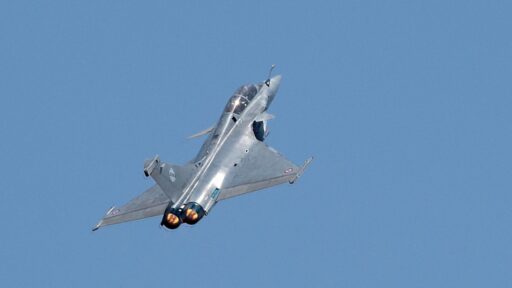
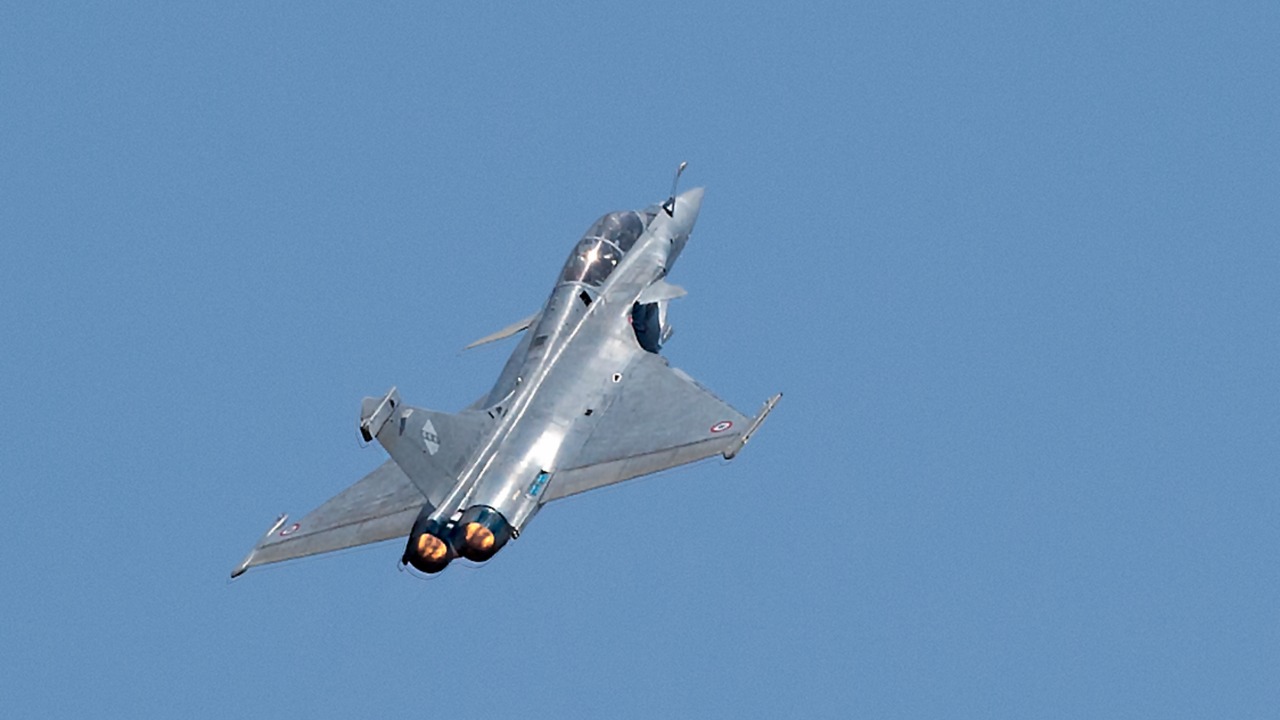

Ukraine has signed a letter of intent to acquire up to 100 French Rafale fighter jets, a move announced by the Elysee Palace on November 17, 2025, that marks a significant boost to Kyiv’s air capabilities amid its ongoing conflict with Russia. President Volodymyr Zelenskyy confirmed the potential purchase during a visit to France, emphasizing that the Rafale jets and accompanying air defense systems are intended to enhance Ukraine’s defense and deepen military cooperation with Paris.
The Agreement’s Key Terms
As I review the details emerging from Paris and Kyiv, the core of the deal is a letter of intent that covers the acquisition of up to 100 Rafale warplanes from France, signed between Ukrainian and French officials as part of a broader defense package. Reporting on the signing notes that the document is not yet a final purchase contract but sets out a framework for Ukraine to progressively buy Rafale fighters in batches, a structure that allows both governments to adjust to battlefield needs and budget realities over time, while still signaling a long term commitment to modernizing Ukraine’s air force.
The agreement also encompasses air defense systems that are meant to bolster Ukraine’s aerial protection alongside the new jets, reflecting Kyiv’s urgent need to counter Russian missile and drone attacks on cities and infrastructure. In its announcement, the Elysee Palace described the planned purchase as “up to 100” French fighter jets, a phrase that underscores the flexible scale of the commitment and gives France room to calibrate deliveries as production capacity and political conditions evolve, a point highlighted in coverage of the French position by defense industry analysts.
Zelenskyy’s Role in the Deal
During his visit to France on November 17, 2025, President Volodymyr Zelenskiy personally sealed the air defense and warplane deals, using the trip to push forward a package that Ukrainian officials have been discussing with Paris for months. According to accounts of the visit, Zelenskiy framed the Rafale acquisition as part of a broader strategy to secure Ukraine’s skies and reduce dependence on aging Soviet era aircraft, arguing that only a modern fleet can deter Russian aviation and give Ukrainian pilots a fighting chance in contested airspace.
In public comments cited by military focused outlets, Zelenskyy said that Ukraine could buy up to 100 French Rafale fighters, stressing that the scale of the potential purchase reflects the strategic importance of the jets for national security and long term deterrence. His remarks, reported in detail by specialist coverage of his Paris meetings, underline how directly he has engaged in negotiations with French counterparts, using his personal diplomacy to secure advanced aircraft that Kyiv has long sought but had previously struggled to obtain in such numbers.
French Government’s Involvement
From the French side, officials formalized the letter of intent for Ukraine to buy up to 100 Rafales, confirming on November 17, 2025, that Paris is prepared to support a large scale modernization of Ukraine’s air force. The Elysee Palace announcement that Ukraine intends to acquire up to 100 French fighter jets framed the move as a key support measure for a partner at war, while also highlighting France’s role as a major European supplier of high end combat aircraft at a time when other allies are focused on F-16 transfers and training programs.
French President Emmanuel Macron has also linked the Rafale deal to broader diplomatic efforts, with coverage of his latest comments noting that he named conditions for a potential peace deal following Kyiv’s acquisition of the 100 jets. In remarks reported by European political correspondents, Macron suggested that a credible Ukrainian air deterrent is one factor that could shape the timing and terms of any future negotiations with Russia, signaling that Paris sees military support and diplomatic pressure as intertwined tools rather than separate tracks.
Strategic Implications for Ukraine
For Ukraine, the planned procurement of up to 100 Rafale jets represents a major step in modernizing an air force that has relied heavily on Soviet designed aircraft and limited stocks of Western supplied systems. Analysts quoted in coverage of the deal argue that even a partial delivery of Rafales would significantly complicate Russian planning, since the aircraft’s advanced sensors and weapons could allow Ukrainian pilots to contest airspace more effectively and support ground operations with greater precision, shifting some of the tactical balance in contested regions.
The inclusion of air defense systems alongside the warplanes addresses immediate vulnerabilities in Ukraine’s defense posture, particularly the need to protect energy infrastructure and urban centers from missile and drone strikes. Reporting by correspondents covering the Paris announcement notes that Ukrainian officials see the combined package as a way to integrate offensive and defensive capabilities, creating layered protection that can intercept incoming threats while also giving Kyiv the ability to strike launch sites and logistics hubs that support Russian attacks.
From Western Aid to Direct Acquisition
Compared to prior Western aid, which has often focused on donations of surplus equipment and emergency deliveries, the Rafale arrangement marks a shift toward direct acquisition that is intended to give Ukraine more predictable, long term control over its air capabilities. Coverage of the letter of intent by international financial and defense reporters emphasizes that Kyiv is moving from ad hoc support to structured procurement, a change that could help Ukrainian planners align training, maintenance, and infrastructure investments with a clear fleet roadmap.
This evolution matters not only for Ukraine’s operational independence but also for the European defense industry, which stands to gain from sustained orders that can justify production increases and technology upgrades. Analysts cited in coverage of the Elysee announcement argue that by committing to buy Rafales rather than relying solely on donated aircraft, Ukraine is positioning itself as a long term customer whose needs will influence future design and export decisions, a dynamic that could deepen its integration into European security structures over time.
How the Rafale Fits into Ukraine’s Air Power Mix
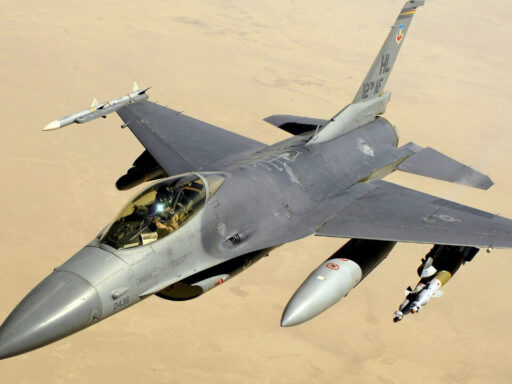
The Rafale is expected to complement, rather than immediately replace, other Western aircraft that Ukraine is receiving, including F-16s supplied by several NATO countries, although the exact integration plan remains unverified based on available sources. Reporting on the French deal notes that Ukrainian pilots and ground crews will face a significant training burden as they adapt to a new platform, but officials argue that the Rafale’s multirole capabilities justify the investment, since a single type can perform air superiority, ground attack, and reconnaissance missions depending on the configuration.
French and Ukrainian planners are also likely to coordinate on basing and maintenance infrastructure, since the Rafale requires specific support equipment and logistics chains that differ from Soviet era systems. Analysts quoted in coverage by international broadcasters following the announcement point out that building this ecosystem inside Ukraine, or in nearby partner countries, will be crucial to ensuring that the jets can be sustained in wartime conditions, a factor that could influence where the first squadrons are stationed and how quickly they can become operational.
Regional and Industrial Ripple Effects
The Rafale letter of intent also carries implications for regional security dynamics, particularly among European states that are weighing their own fighter procurement choices. Observers note that Ukraine’s decision to align with a French platform could encourage other countries on NATO’s eastern flank to consider Rafale purchases or upgrades, especially if the aircraft performs well in Ukrainian service, a possibility that would reinforce France’s position in the competitive fighter export market.
On the industrial side, the scale of the potential order is significant enough to affect production planning and supply chains for the Rafale program, which has already secured customers in Europe, the Middle East, and Asia. Reporting by regional business and defense outlets highlights that a Ukrainian contract for up to 100 jets could help sustain assembly lines and component suppliers for years, providing economic benefits in France and partner countries while also ensuring that Ukraine has access to spare parts and upgrades as the conflict with Russia continues.