
On December 3, 2025, the moon reaches a specific phase observable worldwide, marking a clear shift from the appearance recorded the previous night and continuing the progression that began on December 1 and December 2, 2025. That steady change in illumination shapes how bright the night sky looks this month and sets up the timing of the next full moon, which will feed into the full moon calendar that stretches into 2026.
By tracking how the moon’s light grows or shrinks across these three nights, skywatchers can place today’s view in the broader lunar cycle and plan when to look for the brightest evenings ahead. I focus on what the latest reports say about the exact phase on each date and how those observations connect to the schedule of full moons still to come.
Current Moon Phase: December 3, 2025
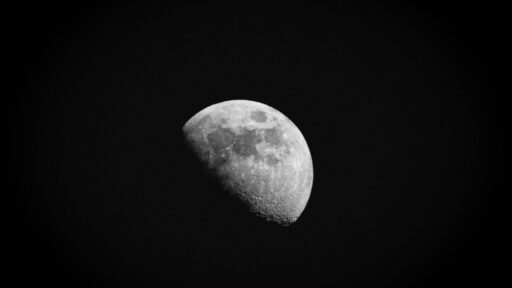
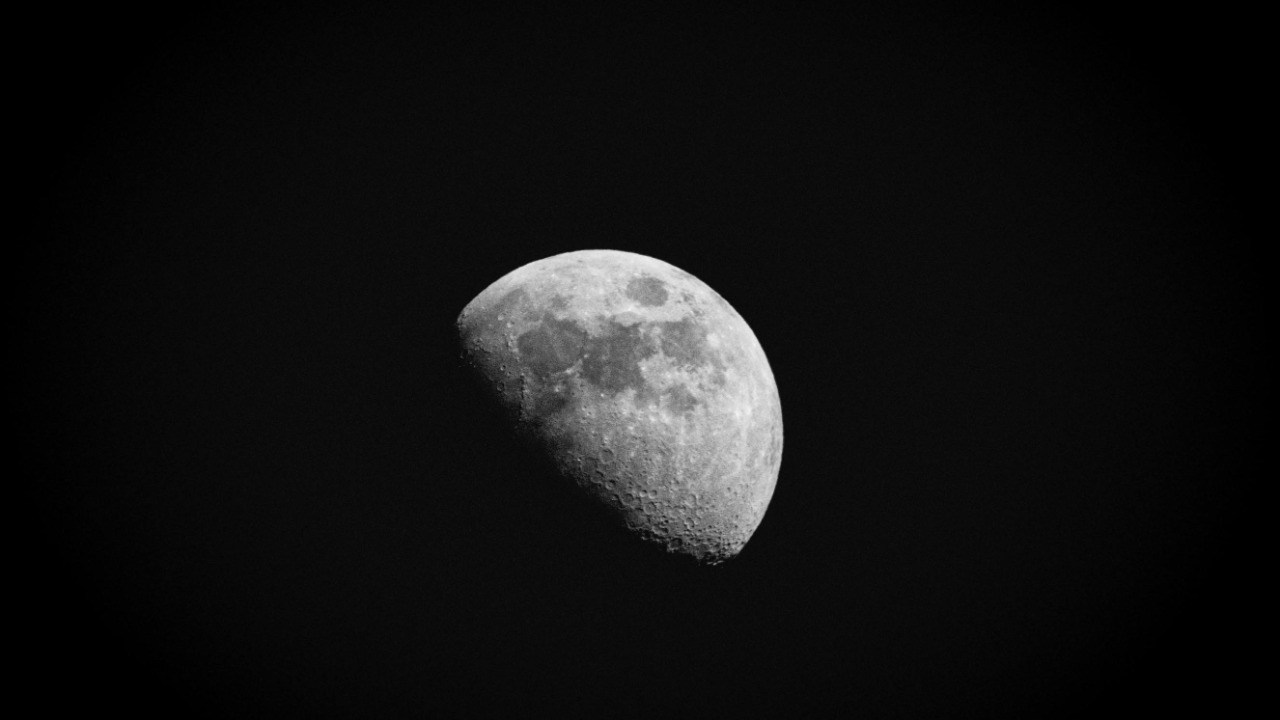
Reports for today’s sky describe the moon on December 3, 2025, as reaching a specific phase that stands out from the earlier December evenings, with a distinct fraction of its disk illuminated and a recognizable shape against the dark sky. The latest update on today’s moon phase report details how much of the lunar surface is lit, how the bright portion is oriented, and when the moon rises and sets, giving observers a precise guide to what they will see at different hours of the night. Those timing details matter for anyone planning photography sessions, telescope viewing, or simply a walk under the moonlight, because the phase controls both brightness and the angle of shadows across the lunar terrain.
Within the broader lunar cycle, the phase recorded on December 3 sits in a clear sequence that follows the changes logged on December 1 and December 2, 2025, and leads toward the next major milestone in the full moon calendar. The shape and illumination level described in the December 3 update show whether the moon is waxing, with light growing night by night, or waning, with the bright area shrinking as it moves away from full, and that trend tells stargazers how the night sky will evolve over the rest of the week. For coastal communities that watch tides, for people timing cultural or religious observances, and for astrophotographers who rely on darker skies to capture faint galaxies, knowing exactly where the moon sits in its cycle today helps them anticipate both the brightest nights and the darker windows that follow.
Recent Lunar Progression: December 2, 2025
The moon’s appearance on December 2, 2025, provided the immediate lead-in to what is visible tonight, with its own distinct shape and level of illumination setting the stage for the shift recorded on December 3. Coverage of the moon phase on that date explains how the disk looked to the naked eye, whether it resembled a slim crescent, a half-lit first or last quarter, or a more rounded gibbous form, and how high it climbed in the sky during the evening. A detailed breakdown of what the moon looked like on that date, including how bright it appeared and how its lit edge was oriented, is laid out in the guide to the moon phase details for December 2, which helps casual observers match what they saw overhead with the technical description of the phase.
Additional context from the dedicated December 2 update on today’s moon phase for December 2, 2025 clarifies how the moon was changing relative to December 1, highlighting whether the illuminated portion was increasing or decreasing and how quickly that shift was unfolding. That progression is crucial for understanding why the moon looks different tonight, because the daily change in illumination is what carries the cycle from one recognizable phase to the next and ultimately toward the next full moon or new moon. For people who schedule stargazing events, run planetarium shows, or teach astronomy in classrooms, being able to point to the specific differences between December 2 and December 3 gives a concrete example of how the lunar cycle advances from one night to the next.
Prior Phase Update: December 1, 2025
The start of the month set the baseline for this week’s lunar evolution, with the moon on December 1, 2025, occupying an earlier stage in its cycle that framed everything that followed on December 2 and December 3. Reporting on today’s moon phase for December 1, 2025 outlines the exact phase visible that night, describing how much of the disk was illuminated and how that appearance fit into the standard sequence of new moon, crescent, quarter, gibbous, and full. By establishing whether the month opened with a waxing or waning moon, that coverage gives observers a clear sense of the direction of change, which is essential for predicting when the next full moon will arrive and how bright the sky will be on upcoming evenings.
Subtle shifts between December 1 and December 2, such as a slightly thicker crescent or a more pronounced half-lit disk, illustrate how quickly the moon can change from night to night even when the differences are not immediately obvious to casual viewers. Those incremental changes, documented in the December 1 and December 2 reports, show how the moon’s orbit steadily carries it through each phase and how that motion affects the timing of moonrise and moonset as well as the angle of light that shapes the lunar features visible through binoculars or telescopes. For anyone planning time-sensitive astronomical events, from meteor shower watch parties to astrophotography workshops, understanding that early-month baseline helps them choose the nights when the moon will either enhance the spectacle with bright illumination or stay dim enough to keep the background sky dark.
Full Moon Calendar for 2025 and Beyond
The sequence of phases observed on December 1, December 2, and December 3, 2025, feeds directly into the schedule of full moons that will round out the year and continue into 2026. A detailed calendar of upcoming full moons, including their exact dates and traditional names, is compiled in the guide to the next full Moon 2025 and 2026 calendar dates, which sets out when the moon will reach full illumination for each remaining month. That calendar ties the nightly changes visible this week to specific future milestones, showing how the current phase will grow or shrink into the next full moon and then recede again, and it gives observers a long-range view of when to expect the brightest nights of the year.
Looking ahead into 2026, the early full moons of the new year continue the same pattern, with each date marking a point when the lunar disk is fully illuminated and the night sky is at its brightest. By pairing the day-by-day reports for December 2025 with the broader calendar of full moons, skywatchers can see how short-term changes in the moon’s appearance fit into a repeating cycle that extends well beyond a single month. That perspective is valuable not only for amateur astronomers and photographers but also for communities that tie festivals, agricultural practices, or cultural observances to specific full moons, because it lets them plan months in advance while still understanding how tonight’s phase is part of that larger rhythm.