
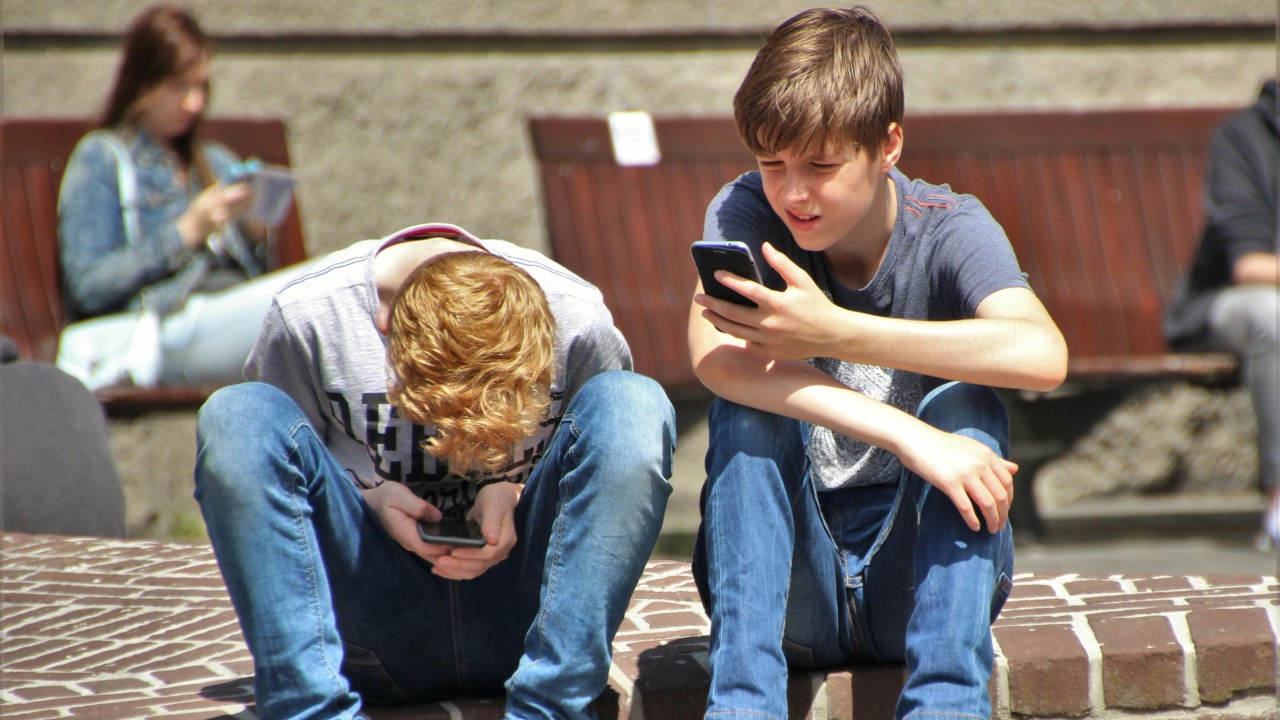

As the Australian social media ban for users under 16 takes effect on December 10, 2025, teenagers across the country are mourning the loss with poignant expressions like “This is the end,” capturing their sense of devastation over being cut off from platforms central to their daily lives. The eSafety Commissioner has emphasized common ground with U.S. initiatives in protecting youth online, marking a significant enforcement milestone that alters access for millions of young Australians nationwide.
The Rollout of the Age Ban
The age-based restrictions are being activated in a single, sweeping change, with major platforms such as TikTok and Instagram now required to verify users’ ages and block anyone under 16 from accessing their services. Under the framework overseen by the Australian social media watchdog, companies must introduce robust age checks at sign-up and for existing accounts, shifting from self-declared birthdates to systems that can withstand regulatory scrutiny. This shift is designed to close the gap between policy and practice, turning what had often been voluntary safeguards into binding obligations that directly determine whether a teenager can log in at all.
Compliance is already testing the technical and legal agility of global tech firms, which are racing to build or adapt age-verification tools that satisfy the new standards without driving away older users. The requirement to screen out underage accounts affects an estimated 3 million Australian teens under 16, transforming their online habits virtually overnight and forcing platforms to rethink how they design onboarding, parental controls, and appeals processes. For regulators, the rollout is a proof-of-concept for stricter youth protections, while for companies it is a high-stakes experiment in balancing privacy, user experience, and the risk of being locked out of a lucrative national market.
Teenagers’ Heartfelt Reactions
Across cities such as Sydney and Melbourne, the first hours of the ban have been marked by a wave of grief and anger from teenagers who see their social media feeds going dark. In reporting from Sydney and Melbourne, students described the moment of cutoff with phrases like “This is the end,” framing the loss of TikTok, Instagram and Snapchat as the collapse of a social world they had built since childhood. For many, these platforms are not just entertainment but the primary channel for maintaining friendships, exploring identity and following cultural trends, so the sudden disconnection feels less like a minor inconvenience and more like a rupture in daily life.
Personal stories emerging from classrooms and group chats show teens organizing final online gatherings, saving direct messages and downloading years of photos and videos before their accounts are locked. Some students described staying up late to host farewell livestreams or to exchange alternative contact details, worried that classmates will drift apart once the algorithmic feeds disappear. The emotional toll is especially acute for young people who relied on online communities for support around mental health, sexuality or niche interests, and their reactions highlight how a policy aimed at protection can simultaneously deepen fears of isolation and exclusion from peer networks.
Regulator’s Stance and Enforcement
The eSafety Commissioner sits at the center of the new regime, empowered to investigate platforms and impose penalties of up to 30 million AUD on companies that fail to keep under-16s off their services. In public comments highlighted by the eSafety Commissioner’s office, the regulator has framed the ban as a necessary response to mounting evidence of online harms, from cyberbullying to exposure to self-harm content, and has stressed that voluntary measures have not delivered adequate protection. The threat of multi-million-dollar fines is intended to move youth safety from a corporate social responsibility talking point to a core compliance obligation that boards and investors must track.
Officials have also underscored that their approach aligns with emerging U.S. state-level laws that restrict social media access for minors, presenting the Australian model as part of a broader international push to reset how children engage with digital platforms. Early enforcement efforts include dedicated hotlines and online portals where parents, teachers and young people can report suspected violations, signaling that regulators expect community participation in policing the new rules. By pairing financial penalties with active monitoring, the watchdog is betting that visible enforcement will deter companies from treating the ban as a symbolic gesture and will instead drive concrete changes in product design and moderation practices.
Broader Implications for Youth and Policy
The immediate impact on digital literacy is complex, particularly for teens in rural areas such as Perth and more remote communities who already face connectivity gaps compared with peers in central Sydney or inner Melbourne. For these students, social media has often doubled as an informal classroom, a place to learn about coding, design, politics or global events that may not feature prominently in local schools. Removing access risks widening existing educational divides, even as policymakers argue that the long-term benefits of reduced exposure to harmful content will outweigh the short-term disruption to how young people learn and communicate online.
Stakeholder reactions reflect a generational and cultural split, with many parents expressing relief that the state is stepping in to limit screen time while their children voice resentment at being excluded from what they see as a basic part of modern social life. Family dynamics are already shifting as caregivers look for alternative ways to keep teens connected, from encouraging in-person meetups to allowing more controlled use of messaging apps that fall outside the strictest definitions of social media. At the same time, legal teams for major tech firms are weighing potential challenges to the law, arguing that blanket age bans could infringe on privacy or free expression, and any court battles in the coming months could reshape how far governments can go in regulating youth access to digital platforms.