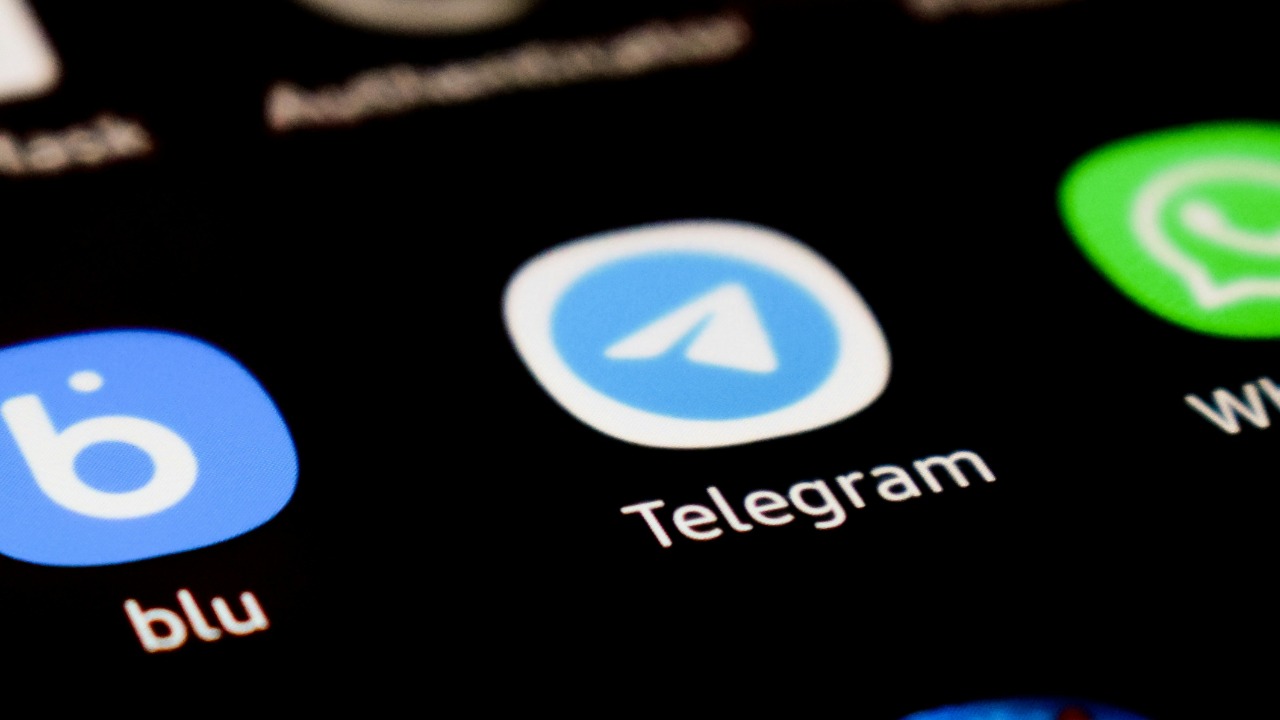

Russian regulators are tightening the screws on Telegram, escalating from technical slowdowns to the threat of fines and broader service restrictions. The campaign targets one of the country’s most widely used messaging and social media platforms, and signals a new phase in how the state intends to police online speech and data.
Authorities frame the pressure as a straightforward demand that Telegram obey national laws, while critics see a second attempt to bring an unruly platform to heel. The outcome will shape not only how Russians communicate in a tightly controlled information space, but also how far the government is prepared to go to force compliance from global tech companies.
From throttling to a rolling clampdown
Russian authorities have moved from isolated technical measures to a coordinated campaign to degrade Telegram’s performance. Earlier this year, the communications watchdog Roskomnadzor began limiting voice and video calls inside the app, extending tactics it had previously used against other platforms and now applying them to one of the country’s most popular messengers. Officials describe this as a gradual, rolling slowdown that targets specific functions first, then expands to broader traffic as the company resists demands to follow domestic rules, a pattern that has already produced noticeable disruptions for users who rely on Telegram for calls and media sharing, according to Roskomnadzor.
Officials in MOSCOW have presented the restrictions as a methodical enforcement process rather than an outright ban. The regulator has said it is imposing “gradual restrictions” on the messenger, slowing services for users in Russia while it presses Telegram to comply with national legislation on data and content. The approach mirrors earlier efforts to throttle other platforms instead of immediately blocking them, and it allows the state to calibrate pressure, testing how much disruption users will tolerate and how the company responds, as described in reports on the restrictions.
Legal violations, user data and the threat of fines
Behind the technical squeeze is a legal argument that Telegram is violating Russian law on several fronts. Roskomnadzor has said the company does not meet domestic requirements on user data protection and cooperation with law enforcement, and that it has failed to remove content the state deems illegal. Officials have opened a series of administrative cases, citing what they describe as repeated violations of the laws of the Russian Federation, and they have signalled that these cases could lead to substantial financial penalties if Telegram continues to resist, according to accounts of the regulator’s legal claims.
State media have amplified the message that fines are now firmly on the table. Reports carried by outlets such as WKZO, which brands itself as “Everything Kalamazoo” on 590 AM and 106.9 FM, say Russian authorities are preparing new penalties for Telegram for failing to provide information required by Russian law and for not registering in the way the state expects of large online platforms. These accounts describe a tightening legal vise in which each unresolved demand can trigger a separate case, increasing the financial and operational risk for the company inside Russia, as reflected in coverage of the potential fines.
Security, extremism and competing narratives
Russian officials justify the crackdown by pointing to security concerns and the spread of what they call extremist content. Authorities argue that Telegram has become a tool for coordinating protests, sharing sensitive information and distributing material that violates anti-terrorism and censorship laws, and they accuse the company of failing to self regulate. In their telling, the restrictions are a necessary response to a platform that has not done enough to curb harmful activity, a position reflected in official briefings on the decision to restrict one of Russia’s most popular social media apps, as described in reports.
Telegram rejects that framing and insists it actively combats the harmful use of its platform. The company has said it removes extremist channels, cooperates on specific threats and invests in moderation tools, and it disputes the idea that it is uniquely non compliant compared with other global messaging services. This clash of narratives, between a state that portrays itself as defending public order and a platform that casts itself as a defender of privacy and free communication, has defined the latest confrontation, as outlined in coverage of how Telegram responds to the accusations.
A second attempt to block a dominant messenger
The current campaign is widely seen as Russia’s second serious attempt to bring Telegram to heel. The first effort, which relied heavily on IP blocking and pressure on third party infrastructure, struggled to fully cut off access and eventually faded, even as users continued to flock to the app. This time, authorities are using more targeted throttling and a clearer legal roadmap, signalling that they have learned from earlier missteps and are prepared for a longer confrontation with one of their own population’s favourite tools, a dynamic described in detailed accounts of Russia’s renewed attempt to block Telegram.
What makes this round different is the centrality of Telegram to everyday life in Russia. The app functions as a news feed, a political forum and a marketplace, and it hosts channels run by state agencies, opposition figures and independent media alike. By choosing a rolling slowdown rather than an immediate blackout, the authorities are testing whether they can force compliance without provoking a backlash from users who have come to depend on the service, a strategy that has been described in coverage of how Russian regulators are now restricting Telegram.
What the crackdown means for Russian users and global platforms
For users inside Russia, the immediate impact is a more fragile connection to a platform that has become central to information flows. Slower media loading, unreliable calls and the risk of sudden outages push people toward workarounds such as VPNs, while also nudging some toward alternative services that the state may find easier to monitor. The authorities’ willingness to degrade a service that is so widely used suggests they are prepared to accept public frustration in exchange for tighter control, a calculation that has been underscored in reporting on how Russian regulators have begun restricting access to one of the country’s most popular apps, as noted in coverage by CNN.
For global tech platforms, the Telegram case is a warning about the direction of Russian internet policy. The combination of technical throttling, legal cases and the threat of fines creates a template that could be applied to other services that resist data localization, content takedown orders or closer cooperation with security agencies. As the communications regulator in Russia continues to impose gradual restrictions on Telegram for what it calls failures to comply with national legislation, the message to other companies is clear: operate on the state’s terms, or risk being slowed, fined and potentially pushed out of one of the world’s largest online markets, a trajectory captured in accounts of how Russia is reshaping its digital landscape.