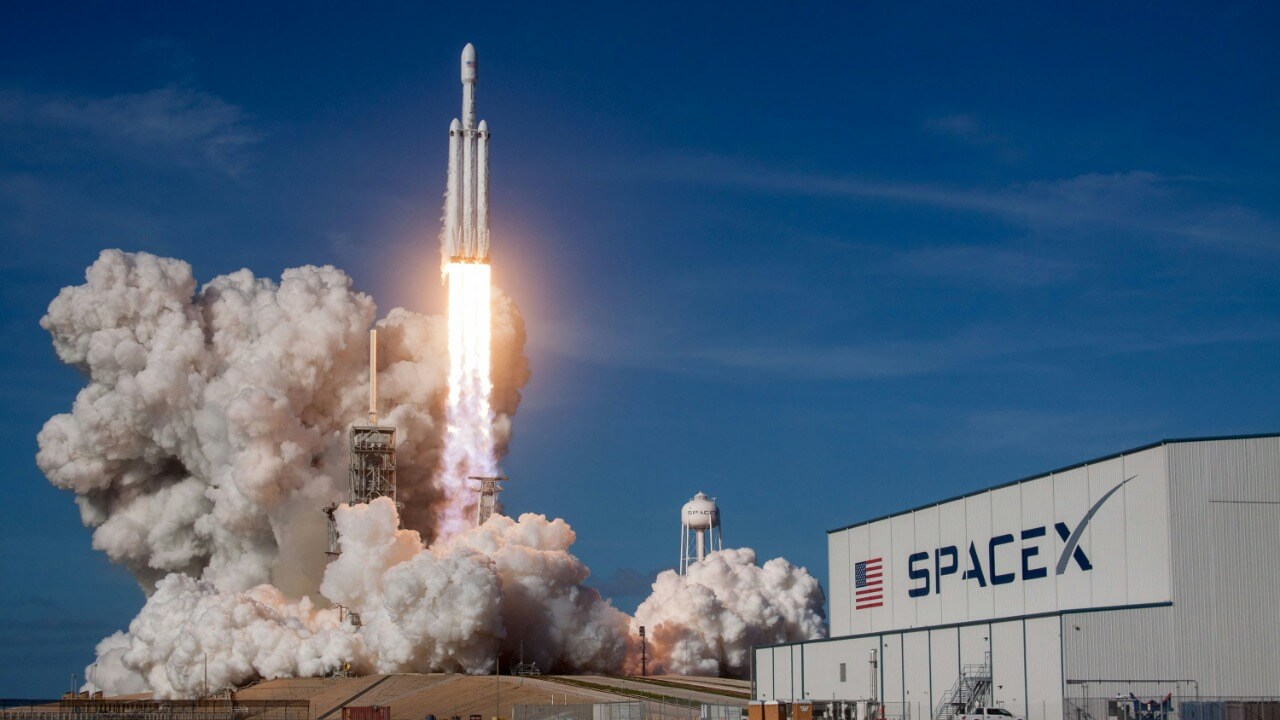

SpaceX plans to pursue an initial public offering in 2026 aimed at raising above $25 billion, according to a source familiar with the matter. Some reports specify that the fundraising target could exceed $30 billion, signaling one of the largest stock market debuts ever for a technology and aerospace company. The move would mark a pivotal step for the private space company as it prepares to open its fast-growing rocket and satellite operations to public investors.
Background on SpaceX’s Growth
Space Exploration Technologies Corp, better known as SpaceX, has remained privately held while building a dominant position in commercial launch services and satellite internet. The company has used its Falcon 9 and Falcon Heavy rockets to carry government and commercial payloads, while its Starlink constellation has expanded broadband coverage to hundreds of thousands of customers worldwide, creating a diversified revenue base that underpins the 2026 IPO timeline. By keeping control in private hands during this build-out phase, SpaceX has been able to prioritize rapid iteration in launch cadence and spacecraft design without the quarterly earnings pressure that typically comes with a public listing.
That strategy has helped drive a sharp rise in valuation in recent private funding rounds and secondary share sales, according to people familiar with the company’s capital structure. Investors have treated the combination of reusable rockets and recurring Starlink subscription revenue as a foundation for a business that could eventually be valued in the hundreds of billions of dollars, a level that would frame expectations for a 2026 public debut. For employees and early backers, the shift from private tenders to a full IPO would formalize that valuation in public markets and potentially reset how late-stage space and defense startups think about staying private versus listing earlier in their growth cycles.
Details of the Planned IPO
A person with direct knowledge of the plans told The Standard that SpaceX is preparing a 2026 IPO targeting proceeds above US$25 billion, positioning the offering among the largest equity raises ever attempted by a U.S. company. That figure reflects the scale of capital the company expects to deploy into launch infrastructure, satellite manufacturing and network expansion over the coming years. For prospective shareholders, the size of the raise signals both the capital intensity of SpaceX’s roadmap and the company’s confidence that public markets will support a multi-decade investment story in commercial spaceflight.
Separate reporting based on information provided to Bloomberg and relayed by Reuters indicates that SpaceX is also exploring a scenario in which the 2026 IPO could raise above US$30 billion, lifting the potential deal into a tier typically reserved for the largest global technology and energy offerings. A fundraising outcome at or above that level would give SpaceX a war chest that far exceeds the size of its previous private rounds, reshaping how aggressively it can invest in next-generation vehicles and satellite capacity. For institutional investors, the difference between a US$25 billion and a US$30 billion-plus raise is material, since it affects both the free float available at listing and the company’s flexibility to fund capital projects without returning to markets quickly for follow-on offerings.
Market and Investor Implications
The planned IPO would open SpaceX to public investors for the first time, transforming a closely held aerospace pioneer into a widely owned technology and infrastructure stock. Based on prior private tenders that valued the company in the hundreds of billions of dollars, a 2026 listing could instantly place SpaceX among the most valuable firms on major U.S. exchanges, with index inclusion likely to follow. That shift would have broad implications for portfolio managers who track benchmarks, since they would need to decide how to size exposure to a company that blends characteristics of a defense contractor, a satellite operator and a high-growth internet platform.
Stakeholders including founder and chief executive Elon Musk, early venture backers and long-serving employees would also face a new liquidity landscape once the IPO is completed. A public float of tens of billions of dollars would create opportunities for partial exits and diversification that are not available in private secondary markets, potentially changing the incentive structure that has kept much of the equity concentrated in a relatively small group of holders. At the same time, the move into public markets would introduce new governance expectations and disclosure requirements, which could influence how SpaceX balances its long-term Mars ambitions with the shorter-term performance metrics that public investors monitor.
Strategic Outlook Post-IPO
Analysts expect that funds raised above US$25 billion would be directed primarily toward accelerating development of the company’s Starship launch system and expanding the Starlink satellite network. The heavy-lift Starship vehicle is central to SpaceX’s plans for deep-space missions and large-scale cargo transport, while Starlink provides recurring cash flow that can help support those capital-intensive projects. With a public balance sheet fortified by IPO proceeds, SpaceX would be better positioned to finance new launch sites, invest in manufacturing automation and pursue more ambitious mission profiles that go beyond its current contracts with government agencies and commercial customers.
Coverage of the planned offering has highlighted that a potential raise above US$30 billion, as described in Bloomberg-based reporting carried by Investing.com, would amplify those ambitions by giving SpaceX a level of financial firepower rarely seen in the aerospace sector. Such a capital base could allow the company to move faster than rivals in deploying next-generation satellites, securing launch contracts and investing in technologies that reduce per-launch costs. For competitors and suppliers across the space industry, a publicly traded SpaceX with tens of billions in fresh equity would raise the bar on innovation speed and pricing power, potentially triggering consolidation or strategic partnerships as others respond to its expanded capabilities.
Regional and Policy Context for the Offering
Reporting on the planned IPO has also underscored how closely global markets are watching the transaction from different financial centers. In Southeast Asia, for example, New Straits Times has echoed the view that SpaceX is pursuing a 2026 listing aimed at raising above US$25 billion, framing the deal as a bellwether for investor appetite in large-scale technology and infrastructure offerings. That perspective reflects the growing interest among regional funds in gaining exposure to space-related assets, which have historically been difficult to access due to the private status of leading companies in the sector.
The timing of the IPO will unfold against a backdrop of evolving space policy and industrial strategy in the United States and abroad, with governments increasingly treating launch capacity and satellite networks as strategic assets. As SpaceX transitions from a fully private company to a publicly traded one, regulators and policymakers will be watching how its expanded access to capital influences competition, national security considerations and the balance between commercial and government missions. For investors, understanding that policy context will be critical to assessing long-term risk and opportunity, since regulatory decisions on spectrum, orbital debris management and government contracting could materially affect the company’s growth trajectory once it is listed.