
Smart glasses are emerging as a transformative tool for blind users, turning what was once experimental hardware into practical aids for independent navigation and object recognition in everyday life. As audio-based artificial intelligence systems mature, these devices now provide real-time descriptions of surroundings that help visually impaired people move through streets, shops and workplaces with greater confidence. The rapid adoption among visually impaired communities worldwide signals a shift away from traditional aids alone and toward a layered approach to accessibility that blends tactile tools with wearable computing.
Development of Smart Glasses Technology
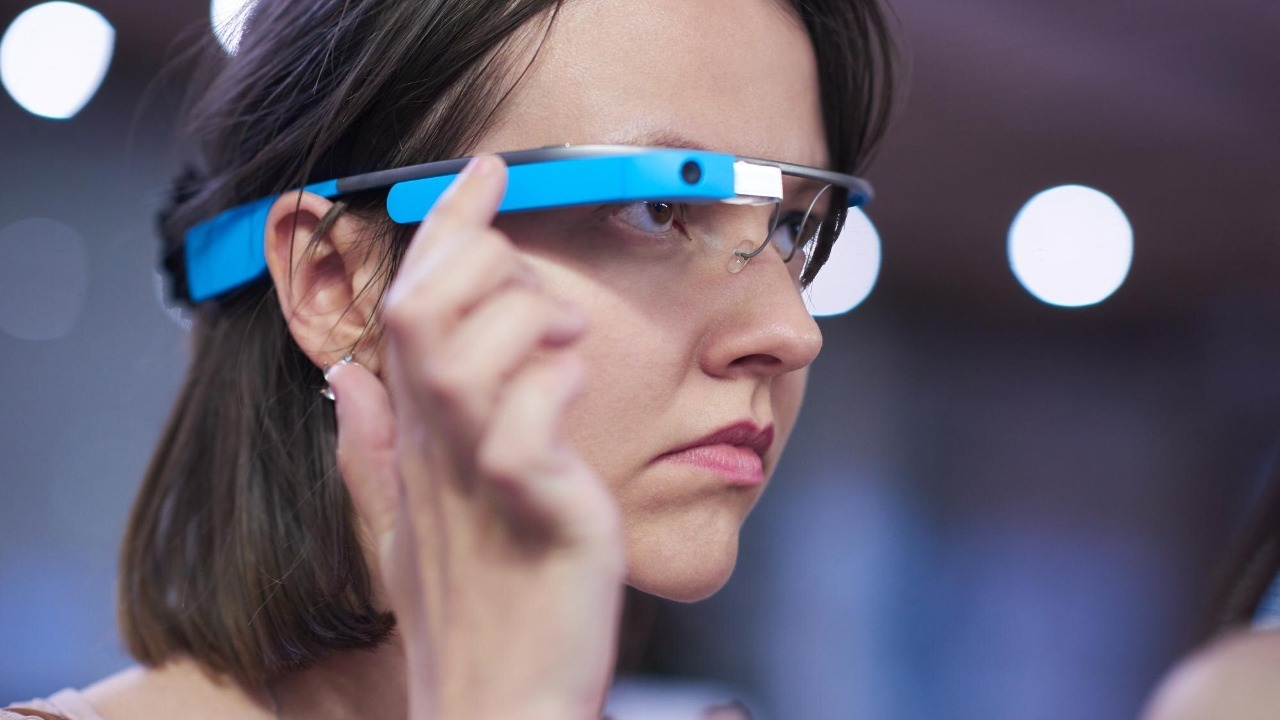
The first generations of smart glasses for blind users were essentially cameras strapped to frames, but current models integrate compact processors and cloud-based AI that can identify objects, read printed text and interpret scenes in real time. Developers have focused on voice-guided assistance, so a user can point their head toward a shelf or doorway and hear spoken descriptions of what the camera sees, a capability that reporting on smart glasses finding purpose among blind users describes as central to their appeal. Real-time audio feedback, delivered through bone-conduction speakers or discreet earbuds, allows the wearer to keep their ears open to traffic noise and human conversation, which is critical for safe mobility in crowded urban environments.
Hardware refinements have been just as important as software advances, particularly for people who already juggle canes, guide dogs and smartphones. Earlier prototypes were heavy and front-loaded, which made long-term use uncomfortable and limited adoption among older users, but recent designs use lightweight plastics and balanced frames that resemble ordinary eyewear. Machine learning updates pushed over the air have steadily improved recognition accuracy, so the same pair of glasses can become more capable over time, and that upgrade path has encouraged users and clinicians to treat the devices as long-term mobility aids rather than short-lived gadgets.
Adoption by Blind Users in Daily Life
For blind users, the most visible impact of smart glasses shows up in routine tasks that once required a sighted companion. Reporting on visually impaired wearers describes people using the glasses to navigate supermarket aisles, with the AI reading product labels aloud and distinguishing between similar packages so a shopper can independently choose brands and check expiry dates. In busy intersections, the system can announce the status of pedestrian signals and detect obstacles such as parked motorcycles or construction barriers, which reduces the need to ask strangers for help and gives users more control over their own pace and route.
Urban residents who previously relied on human guides to manage public transport have also begun to fold smart glasses into their daily commutes, pairing the devices with smartphones so navigation apps can feed turn-by-turn instructions directly into the audio stream. Users quoted in coverage of blind communities adopting these tools describe a tangible reduction in the number of calls they make to family members for assistance, particularly when traveling to new neighborhoods or offices. That shift has broader implications for social dynamics, since it allows relatives and caregivers to step back from constant logistical support and focus instead on emotional and financial planning, while blind users gain a stronger sense of privacy and spontaneity in their movements.
Impact on Accessibility Stakeholders
Blindness advocacy groups have framed smart glasses as a way to expand opportunities in education and employment rather than as a replacement for traditional aids. Representatives of these organizations point to classrooms where visually impaired students can use the glasses to read whiteboards, printed handouts and diagrams that are not yet available in Braille or accessible digital formats, narrowing the gap between when material is distributed and when it becomes usable. In workplaces, advocates highlight office environments where employees can independently scan paper documents, identify colleagues approaching their desks and navigate unfamiliar conference venues, arguing that such capabilities make it easier for employers to meet disability inclusion goals without extensive physical retrofits.
Healthcare providers, including low-vision specialists and rehabilitation therapists, increasingly recommend smart glasses as a complement to canes or guide dogs rather than a substitute, emphasizing that each tool addresses different aspects of orientation and safety. Clinicians cited in recent reporting describe integrating the devices into mobility training programs, teaching patients how to interpret audio cues from the glasses alongside tactile feedback from a cane so that neither sense becomes overloaded. This coordinated approach has policy implications, since it supports arguments for insurance coverage or public subsidies by positioning smart glasses as part of a broader continuum of care that can reduce long-term dependence on more intensive services.
Challenges and Future Innovations
Despite the enthusiasm, significant hurdles still limit who can benefit from smart glasses and how often they can be used. High upfront costs remain a central barrier, particularly in countries where assistive technology is not routinely covered by public health systems or private insurance, and advocates warn that the devices risk becoming a premium option available only to wealthier users. Battery life is another constraint, since continuous camera use and AI processing can drain power within a few hours, forcing wearers to ration usage during long workdays or travel and undermining the promise of all-day independence.
Developers and researchers are working on several fronts to address these weaknesses, focusing on more efficient processors, modular battery packs and AI models that can run partially on-device to reduce data transmission demands. Reporting on ongoing work to refine smart glasses for blind users notes that engineers are training algorithms to handle more complex environments, such as crowded markets or multi-level transit hubs, where overlapping sounds and visual clutter can confuse earlier systems. Nonprofits and technology firms are also exploring global distribution initiatives that would bring subsidized or locally adapted versions of the glasses to underserved regions, a step that could shift the devices from niche products into standard components of national accessibility strategies if funding and training keep pace with the hardware.