
For decades, the Y chromosome has been viewed as the defining marker of biological maleness the small but powerful piece of DNA that determines male sex characteristics. But scientists are now discovering something deeply unexpected: as men age, many begin to lose the Y chromosome in a significant portion of their cells.
This phenomenon, known as mosaic loss of the Y chromosome (LOY), is becoming one of the most intriguing and concerning discoveries in modern genetics. Far from being rare, researchers have found that Y chromosome loss is surprisingly common in older men and it may be linked to serious health risks including cancer, heart disease, and even Alzheimer’s disease.
What exactly is happening inside aging male bodies, and why are scientists increasingly alarmed?
Let’s take a closer look.
What Is Mosaic Loss of the Y Chromosome?
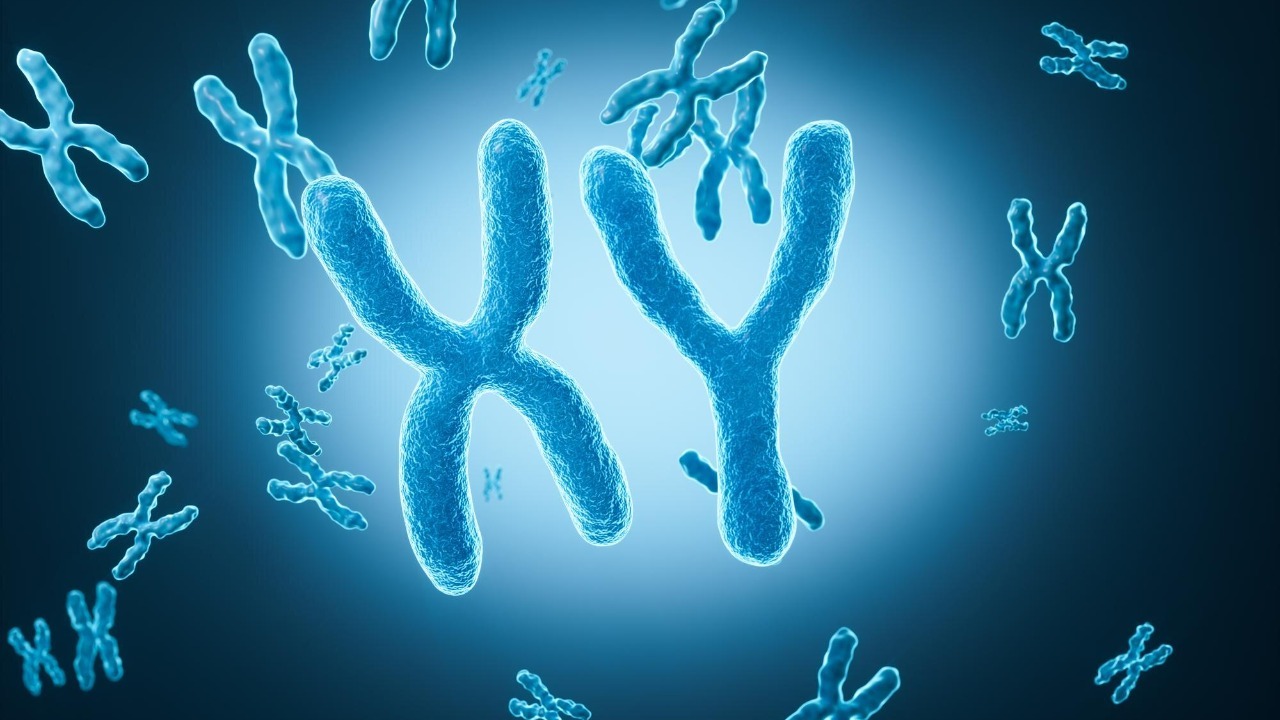
Every biological male is typically born with one X chromosome and one Y chromosome in most of their cells. The Y chromosome carries genes critical for male development and reproduction. However, unlike most chromosomes, the Y is relatively small and contains fewer genes, which once led scientists to believe it was less biologically significant beyond sex determination.
That assumption is now being challenged.
Mosaic loss of the Y chromosome occurs when some of a man’s cells particularly blood cells lose the Y chromosome entirely. The term “mosaic” refers to the fact that not all cells are affected. Instead, the body becomes a mixture of normal XY cells and cells that have lost the Y, leaving them with only a single X chromosome.
This isn’t something men are born with. It develops gradually over time.
Research shows that Y chromosome loss becomes more common with age. In men under 40, it is relatively rare. By the time men reach their 70s and 80s, a significant percentage may have measurable Y chromosome loss in their blood cells.
In fact, studies suggest that up to 40% of men over age 70 show some degree of LOY in their blood.
Why Does the Y Chromosome Disappear?
The exact mechanisms are still being investigated, but scientists believe that age-related genetic instability plays a central role.
As cells divide over a lifetime, small errors accumulate in DNA replication. Environmental factors such as smoking, pollution, radiation exposure, and chronic inflammation can accelerate DNA damage. Because the Y chromosome is smaller and structurally unique, it may be more vulnerable to being lost during cell division.
Smoking has been strongly associated with higher rates of Y chromosome loss. Some studies show that men who smoke are significantly more likely to experience LOY, although quitting may partially reduce the risk.
Researchers also suspect that certain inherited genetic variations may make some men more prone to losing the Y chromosome than others.
Still, one question remains central: does losing the Y chromosome actually matter?
Increasingly, the answer appears to be yes.
The Link to Cancer
One of the earliest and strongest associations discovered with Y chromosome loss involves cancer.
Men with significant LOY in their blood cells appear to have a higher risk of developing various forms of cancer and a greater likelihood of dying from cancer overall. Scientists believe this may be tied to immune system function.
White blood cells play a critical role in detecting and destroying abnormal cells, including early cancer cells. If a portion of these immune cells lack the Y chromosome, their ability to function properly may be impaired.
The Y chromosome contains genes involved in immune regulation and cellular repair. Losing these genes in a large population of blood cells could weaken immune surveillance, allowing cancerous cells to grow unchecked.
This connection has made LOY an important area of study in oncology research.
Heart Disease and Cardiovascular Risk
More recently, researchers have found links between Y chromosome loss and cardiovascular disease.
Men with higher levels of LOY appear to have increased risk of heart disease, including heart failure and coronary artery disease. Some experimental studies in mice suggest that losing the Y chromosome in immune cells may promote inflammation and fibrosis in heart tissue, contributing to cardiac dysfunction.
Inflammation is a key driver of many chronic diseases, including heart disease. If LOY alters how immune cells regulate inflammation, it could help explain why men generally have higher rates of certain cardiovascular conditions compared to women.
The discovery has sparked growing interest in whether LOY could serve as a biomarker for cardiovascular risk in aging men.
Alzheimer’s Disease and Brain Health
Perhaps one of the most surprising findings is the association between Y chromosome loss and neurodegenerative disease.
Several studies have reported that men with significant LOY are more likely to develop Alzheimer’s disease. While the exact mechanism remains unclear, researchers suspect that impaired immune function in the brain may play a role.
The brain relies on specialized immune cells called microglia to clear damaged proteins and maintain neural health. If immune regulation is compromised by chromosomal loss, it could accelerate neurodegenerative processes.
Although the research is still evolving, the link between LOY and cognitive decline has added urgency to the field.
Is the Y Chromosome Disappearing Entirely?
Headlines sometimes suggest that the Y chromosome itself is “shrinking” or may disappear entirely in the distant evolutionary future. While it is true that the Y chromosome has lost genes over millions of years, modern human males are not in danger of becoming extinct because of this process.
The age-related loss of Y chromosome discussed here happens at the cellular level, not across the entire species. It affects certain cells within individuals, primarily in blood.
However, the fact that this loss is common and increases with age has shifted how scientists view male aging. Rather than being a minor chromosomal quirk, LOY may represent one of the most common genetic mutations acquired during a man’s lifetime.
A Silent and Invisible Change
One of the most concerning aspects of Y chromosome loss is that it occurs silently. There are no immediate symptoms that signal its presence. It can only be detected through genetic testing of blood samples.
This means millions of men may be experiencing cellular changes linked to higher disease risk without any awareness.
Researchers are now exploring whether routine screening for LOY could one day help identify men at higher risk for certain diseases, enabling earlier monitoring or preventive strategies.
Can It Be Prevented?
While aging itself cannot be stopped, some risk factors associated with Y chromosome loss are modifiable.
Avoiding smoking appears to significantly reduce risk. Maintaining cardiovascular health, reducing chronic inflammation, and limiting exposure to environmental toxins may also help minimize genetic instability.
Scientists are also investigating whether certain lifestyle factors including diet, exercise, and stress management influence rates of chromosomal loss, though definitive answers are still emerging.
At this stage, LOY is best understood as a marker of biological aging rather than a condition that can be directly treated.
A New Frontier in Men’s Health
The discovery that men commonly lose the Y chromosome with age is reshaping how researchers think about male health and longevity.
For years, the Y chromosome was considered relatively unimportant beyond determining male sex. Today, it is increasingly viewed as a crucial player in immune regulation, disease resistance, and aging.
What makes this discovery particularly striking is its scale. Mosaic loss of the Y chromosome may be the most common acquired mutation in men. And yet, it remained largely unnoticed until advances in genomic sequencing made it detectable.
As research continues, scientists hope to better understand whether LOY is simply a marker of aging or an active driver of disease. The answer could have major implications for cancer prevention, cardiovascular health, and dementia research.
The Bigger Picture
Aging is not just about wrinkles and gray hair. At the microscopic level, our chromosomes and DNA are constantly changing. The loss of the Y chromosome serves as a powerful reminder that the aging process unfolds deep within our cells, often invisibly.
For men, this discovery opens a new chapter in understanding long-term health risks. It also highlights the importance of preventative healthcare, healthy lifestyle choices, and ongoing research into genetic aging.
The Y chromosome may be small, but its disappearance is proving to have big consequences. And as scientists continue to unravel its mysteries, what was once thought to be a minor chromosomal detail may turn out to be one of the most important factors in male aging.
The alarm among researchers is not about immediate catastrophe, but about awareness. Understanding why the Y chromosome disappears and what that means for disease could help shape the future of men’s health for generations to come.