
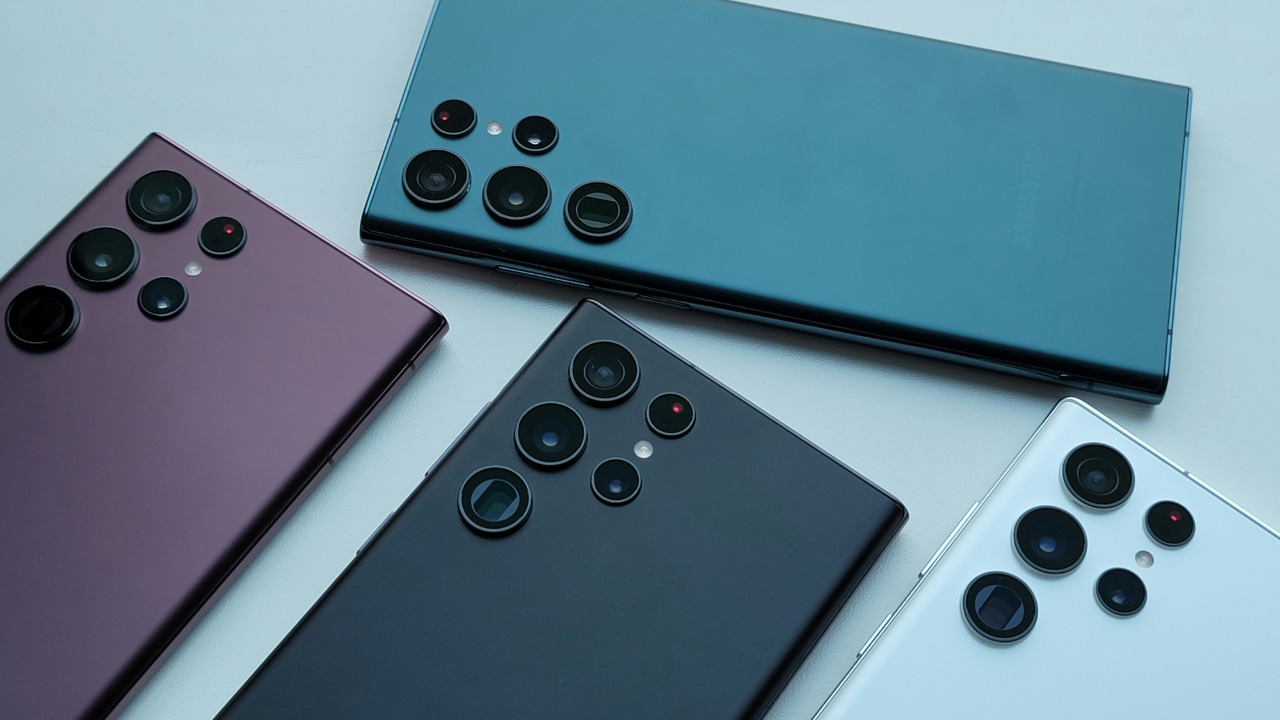

US phone imports from Samsung hub Vietnam have hit their lowest level since 2020, signaling a notable downturn in supply chain dynamics for one of the world’s leading smartphone manufacturers. The shift underscores changing production priorities amid global trade tensions and diversification efforts, highlighting Vietnam’s evolving role as a key export base for Samsung’s mobile devices to the American market.
Samsung’s Vietnam Operations as a Global Hub
Samsung has spent more than a decade turning Vietnam into its primary manufacturing center for smartphones, building large-scale complexes that assemble a wide range of Galaxy devices for export to markets around the world. Those factories have been central to the company’s strategy of locating high-volume production in cost-competitive, export-oriented economies, with Vietnam positioned as the Samsung hub for phone production that feeds demand in North America, Europe and other regions. By concentrating assembly lines, component suppliers and logistics partners in a few industrial zones, Samsung has been able to move huge volumes of finished phones from Vietnam into the global supply chain with relatively short lead times and predictable costs.
Within that framework, Vietnam’s role has been especially important for shipments to the United States, where Samsung competes directly with Apple and Chinese brands for premium and mid-range smartphone buyers. For several years after 2020, US-bound exports from the Samsung hub in Vietnam formed a significant share of the company’s global phone flows, helping to stabilize inventory for major carriers and electronics retailers. The latest data, however, show that US phone imports from this hub have now fallen to their lowest level since 2020, according to trade figures cited in a report on US phone imports from Samsung hub Vietnam hitting the lowest level since 2020, raising questions about how Samsung will balance Vietnam’s central role with shifting production and demand patterns.
The Recent Decline in US Imports
Trade data show that US phone imports from Samsung hub Vietnam have hit their lowest level since 2020, marking a sharp contrast with peak import periods in the years that followed. Earlier in the decade, shipments from Vietnam to the US surged as Samsung ramped up output of flagship models like the Galaxy S series and foldable devices, using the country as a launchpad for high-margin phones in the American market. The current pullback from those highs suggests a meaningful reconfiguration of export flows, with fewer units leaving Vietnamese ports for US destinations even as global smartphone demand remains uneven but stable.
Several factors appear to be contributing to this drop, including shifts in production allocation that may be redirecting some assembly to other countries and external trade pressures that complicate export planning. As companies respond to geopolitical tensions and tariff risks, Samsung has incentives to diversify where it builds phones for the US, which can naturally reduce the share coming from Vietnam even if total global output holds steady. When current import figures are compared against 2020 baselines, the reduction in US-bound shipments from the Samsung hub in Vietnam points to a narrower pipeline of devices for American buyers, a trend that could tighten inventories for certain models if alternative supply sources do not fully compensate.
Impacts on US Consumers and Retail
The lowered imports from Samsung hub Vietnam are likely to be felt first in the US retail channel, where carriers and big-box chains depend on predictable flows of popular models to support upgrade cycles and promotional campaigns. If fewer phones arrive from Vietnam, distributors may have to lean more heavily on stock sourced from other Samsung plants, which can introduce timing mismatches or model mix imbalances, especially around major launches or holiday sales. For consumers, that can translate into longer wait times for specific color or storage variants, reduced in-store selection, or a faster shift toward online-only fulfillment for certain Galaxy devices.
Pricing dynamics could also be affected if the decline in imports from Vietnam coincides with tight supply from alternative hubs, since retailers typically have less room to discount when inventories are constrained. While Samsung and its US partners have tools such as trade-in credits and installment plans to keep effective prices attractive, a thinner pipeline from a key production base can limit the depth and duration of aggressive promotions. Stakeholder reactions among US retailers and consumers will hinge on how visible any shortages become, but the fact that US phone imports from Samsung hub Vietnam have hit their lowest level since 2020 already signals a more fragile balance between supply and demand for one of the market’s most prominent Android brands.
Broader Implications for Samsung’s Supply Chain
The downturn in US-bound shipments from Vietnam is likely to accelerate Samsung’s diversification strategies beyond its long-standing reliance on that country as a central hub. In recent years, global manufacturers have been spreading production across multiple locations to reduce exposure to any single jurisdiction’s trade policies, labor disruptions or regulatory shifts, and Samsung fits squarely within that pattern. A lower volume of US phone imports from Samsung hub Vietnam gives the company additional justification to expand capacity in other regions, adjust supplier footprints and refine logistics routes so that no single export corridor becomes a bottleneck.
Vietnam’s status as the Samsung hub remains strategically important, but the latest trade figures place that role in a new context shaped by post-2020 manufacturing shifts. As the company weighs long-term adjustments, it may recalibrate which product lines are built in Vietnam versus other plants, reserving the hub for models best suited to its cost structure and local supplier ecosystem while routing more US-destined units through alternative facilities. Any such rebalancing is aimed at stabilizing US phone imports after this lowest level since 2020, giving Samsung more flexibility to respond to demand spikes, regulatory changes or currency swings without overburdening a single production base.