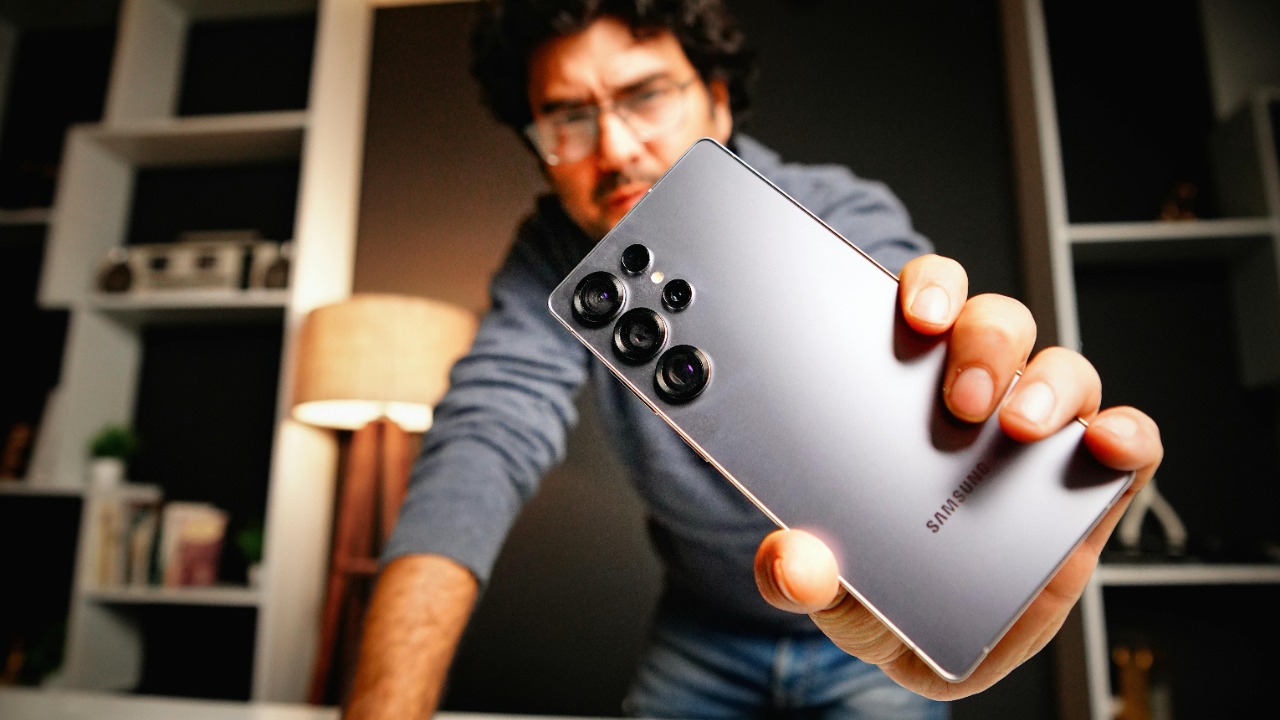

Samsung is getting ready to turn screen privacy from an accessory into a default feature, building a view-blocking layer directly into its next flagship displays. Instead of relying on plastic filters or bulky cases, the Galaxy S26 generation is expected to hide sensitive content in the pixels themselves so anyone sitting off to the side sees little or nothing. The move signals that on-device privacy is becoming as central to premium phones as camera zoom or battery life.
From plastic filters to pixel tricks
For years, keeping prying eyes off a phone has meant sticking a dark plastic sheet over the display, sacrificing brightness and color accuracy in exchange for a narrower viewing angle. I have always seen those add-ons as a compromise, useful on a plane or subway but annoying the rest of the time. Samsung now appears ready to retire that trade-off by baking a privacy effect into the Galaxy S26 screen itself, with a pixel-level system that limits what anyone at an angle can see while leaving the head-on view intact, a shift that early reporting describes as a move to a plastic, but pixel-based approach.
The key change is that the display itself becomes the privacy filter, rather than something layered on top. Instead of dimming the entire panel, the Galaxy S26 family is expected to use its own subpixels and optics to block visibility from a side angle while preserving the normal experience for the person holding the phone straight on. That means the usual problems with aftermarket filters, from rainbow artifacts to touch issues, should not apply, because the hardware and software are tuned together for this specific screen from the start.
Galaxy S26 Ultra as the privacy showcase
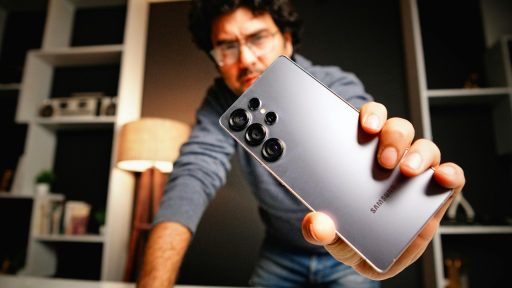
Every major Samsung cycle has one device that carries the most experimental tech, and this time that role falls to the Galaxy S26 Ultra. I expect the Ultra to be the main showcase for the new privacy display, both because of its larger canvas and because it is the model most likely to be used for work, banking, and other sensitive tasks in public. Reporting indicates that Samsung has already tipped its hand, with references to a Galaxy S26 Ultra feature that blocks visibility from surfacing ahead of launch.
Those same reports describe a layered system that incorporates three display components and a technology referred to as Flex Magic Pixel, suggesting that the Ultra’s panel is being rebuilt specifically to support this privacy mode rather than simply reusing last year’s hardware. In practice, that should mean the Galaxy S26 Ultra can switch between a wide, vivid viewing angle for watching video with friends and a narrow, shielded mode when the user is handling private messages or work documents. If Samsung executes well, the Ultra could become the default recommendation for anyone who spends long stretches working from trains, airport lounges, or open-plan offices.
How Samsung’s Privacy Display actually works
Under the marketing language, the most interesting part of this shift is the engineering. Instead of a simple mechanical shutter, the Galaxy S26 series is expected to use a combination of subpixel control and adaptive optics to shape the light that leaves the screen. I read the references to a Galaxy S26 Ultra Privacy Display as a sign that Samsung is treating this as a flagship technology, not a side feature, and that it expects the system to outperform the crude polarization tricks used in older filters.
The company is also tying the feature to Galaxy AI, which suggests that the phone will not simply flip into privacy mode based on a manual toggle. Instead, the device can potentially read context, such as whether the user is in a crowded environment or viewing sensitive content, and then adjust the viewing angle dynamically. One report describes the Galaxy S26 Ultra’s screen as an “invisible armor” powered by Galaxy AI and adaptive optics, with an emphasis on keeping brightness and color performance intact even when privacy mode is active, which would be a major improvement over the dim, muddy look of traditional privacy accessories.
AI, messaging, and “your screen, your business”
Samsung is not just selling this as a hardware trick, it is framing the feature as a lifestyle and security upgrade for everyday communication. In a promotional clip, the company leans on the line “Your screen, your business, the S26 Ultra’s AI makes sure of it,” promising that the phone will Keep personal messages private even in a crowd. I read that positioning as a direct response to how people actually use their phones now, juggling WhatsApp, Signal, Slack, and banking apps in public spaces where shoulder surfing is a real risk.
By tying the privacy display to AI, Samsung is also hinting at more granular controls. It is easy to imagine the Galaxy S26 Ultra automatically tightening the viewing angle when a user opens a finance app or a secure messaging thread, then relaxing it for Netflix or YouTube. The reference to “The Galaxy S26 Ultra’s AI” in that same clip suggests that the company wants buyers to think of this as part of a broader suite of smart, user-centric security solutions rather than a single toggle buried in settings. If that vision holds, the privacy display could become as central to the Galaxy identity as DeX or S Pen support once were.
Why Samsung is betting big on private screens
Samsung’s decision to spotlight this feature across its next flagship line shows how seriously it takes on-device privacy as a selling point. One report from Seoul notes that Samsung’s upcoming Galaxy smartphone will introduce a new privacy feature that is meant to be felt in everyday life, not just in edge cases. That language matters, because it signals that the company wants this to be something users notice on the subway, in coffee shops, and in open offices, not just a checkbox in a spec sheet.
There is also a competitive angle. As more Android makers chase similar camera hardware and chipsets, Samsung needs a distinctive reason for people to pick a Galaxy over a rival device. A built-in privacy display that works seamlessly and does not ruin image quality could be that differentiator, especially for professionals who handle sensitive information on the go. By anchoring the feature to Jan announcements and repeatedly naming Galaxy, Ultra, and Privacy Display in its messaging, Samsung is clearly trying to plant those terms in buyers’ minds ahead of launch, turning the idea of a private screen from a niche accessory into a mainstream expectation.