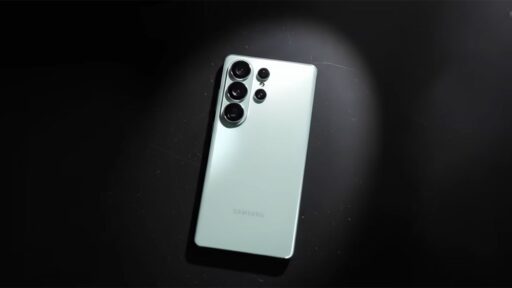


Samsung’s upcoming Galaxy S26 Ultra has surfaced in China’s 3C regulatory database with support for 60 W wired charging, marking a major power upgrade over previous Ultra models. A related certification also points to built-in satellite connectivity as a headline feature, with multiple reports treating both 60 W charging and satellite support as effectively confirmed ahead of launch.
Certification trail: how 3C listings confirmed the upgrades
The clearest signal of Samsung’s new charging strategy comes from the Chinese 3C certification, where the Galaxy S26 Ultra is listed with support for 60 W wired charging hardware. The regulatory filing, highlighted in detail by coverage of the 3C certification listing in China for the Galaxy S26 Ultra, identifies the device and its compatible power adapter, making the 60 W figure a matter of record rather than speculation. For buyers, a confirmed 60 W ceiling means they can expect significantly shorter top‑ups and a more competitive spec sheet in markets where charging speed is a key differentiator.
Alongside the 3C filing, a separate regulatory approval described as a “major certification” is being cited as the moment when two upgrades, 60 W charging and satellite connectivity, effectively locked in for the Galaxy S26 Ultra. Reporting that the Galaxy S26 Ultra just cleared a major certification explains that this process ties the device to both higher‑wattage charging and integrated satellite support, moving them from rumor territory into near‑final hardware expectations. As a result, power users and frequent travelers can now plan around a flagship that is designed not only to charge faster but also to stay connected in places where traditional networks fail.
60W fast charging: Samsung’s biggest power upgrade yet
Reports on the 3C filing state explicitly that the Galaxy S26 Ultra supports 60 W wired charging, a clear jump over the 45 W ceiling that has defined recent Ultra generations. The detailed breakdown that the Galaxy S26 Ultra receives 3C certification and its charging speed is revealed leaves little room for ambiguity, describing 60 W as the supported power level for the new flagship. For everyday use, that kind of increase can translate into meaningful time savings, such as going from a near‑empty battery to a comfortable charge in a shorter coffee break, which is particularly important for users who rely on their phones for navigation, work messaging, and media throughout the day.
Another report characterizes the 60 W figure as “concrete evidence” that the Galaxy S26 Ultra will support significantly faster charging than its predecessors, arguing that the regulatory documentation settles earlier debates about Samsung’s willingness to raise wattage. The description that concrete evidence reveals Galaxy S26 Ultra to support 60W charging underscores that this is no longer a speculative leak but a feature buyers can reasonably count on when weighing upgrade decisions. In practical terms, that certainty helps potential customers compare the S26 Ultra against rivals from brands like Xiaomi and OnePlus that already advertise high‑wattage solutions, and it may push Samsung loyalists who skipped earlier models to reconsider a jump this cycle.
Satellite connectivity: the second major confirmed upgrade
While 60 W charging grabs the performance headlines, the second major upgrade tied to the same certification trail is satellite connectivity baked directly into the Galaxy S26 Ultra. Reporting that the Galaxy S26 Ultra gets major certification confirming two major upgrades identifies satellite support as a core new capability alongside the faster wired charging, treating both as confirmed outcomes of the regulatory process. For buyers, that pairing means the next Ultra is being positioned not just as a faster‑charging device, but as a communications tool that can maintain a lifeline in areas where 4G and 5G coverage drops out.
Additional coverage that the Galaxy S26 Ultra just cleared a major certification and two big upgrades are now all but confirmed explains how satellite connectivity has moved from rumor to near‑certainty, tying it directly to the same approval that confirmed 60 W charging. The Vietnamnet coverage of satellite connectivity on the Galaxy S26 Ultra further frames this feature as a tool for emergency communications and coverage in remote areas, suggesting use cases such as contacting services when hiking in rural regions or traveling through sparsely populated routes. That emphasis on safety and reach could resonate strongly with outdoor enthusiasts, frequent flyers, and professionals who work in the field, expanding the Ultra line’s appeal beyond camera and performance metrics.
Impact on buyers: why this is the “biggest upgrade”
Analysts are already framing 60 W charging as the Galaxy S26 Ultra’s “biggest upgrade,” and some coverage explicitly warns prospective owners to “prepare your wallets” because of what that might mean for pricing. The argument that buyers should prepare your wallets because the Galaxy S26 Ultra’s biggest upgrade is all but confirmed suggests that Samsung could use the combination of faster charging and satellite connectivity to justify a higher price tag or more premium positioning within its own lineup. For consumers, that raises a familiar trade‑off: pay more upfront for a device that charges faster and offers more resilient connectivity, or opt for a cheaper model that sticks with more conventional specs.
At the same time, the drumbeat of consistent reporting has shifted expectations among power users and early adopters, who now treat 60 W as a baseline rather than a stretch goal. Statements that the Galaxy S26 Ultra’s 60W charging is allegedly confirmed show how multiple independent reports have converged on the same figure, reinforcing the idea that Samsung is finally ready to match or at least approach the charging speeds of its most aggressive Android competitors. When combined with the framing from PhoneArena that two big upgrades are now all but confirmed for the Galaxy S26 Ultra, the narrative becomes clear: faster charging plus satellite connectivity could significantly reshape the value proposition of the Ultra line, making it more compelling for users who prioritize both performance and reliability in challenging conditions.
How the S26 Ultra compares to previous Galaxy Ultra models
Context from earlier Galaxy Ultra generations helps illustrate how significant a jump 60 W charging would be for Samsung’s flagship. The characterization that the Galaxy S26 Ultra “enters the fast‑charging world” with 60W fast‑charging explicitly contrasts this leap with the slower charging speeds on previous Ultra models, which have typically topped out at 45 W. For long‑time Galaxy users, that shift means the S26 Ultra is not just a routine annual refresh, but a more fundamental change in how quickly the device can recover from heavy use, whether that is gaming sessions, 4K video recording, or extended hotspot duty.
Coverage that calls 60 W support “concrete evidence” for the Galaxy S26 Ultra’s 60W charging also highlights how this move helps close the gap with rival flagships that already advertise higher‑wattage solutions, even if some competitors still push beyond 60 W on paper. Anchoring that comparison in the 3C certification report revealing 60W charging for the Galaxy S26 Ultra, it becomes clear that Samsung is aligning its hardware roadmap with market expectations for faster top‑ups while layering on satellite connectivity as a differentiator. For buyers deciding between staying in the Galaxy ecosystem or switching brands, the S26 Ultra’s combination of higher‑wattage charging and expanded connectivity could be the factor that keeps them on Samsung’s side of the Android flagship divide.