

A new leak from reliable tipster Evan Blass has reportedly confirmed the release date for the Samsung Galaxy S26 Ultra, pointing to an early 2026 launch that aligns with previous rumors while adding fresh detail on Samsung’s internal planning. The latest information builds on mounting evidence from multiple sources, making the timeline look increasingly certain and drawing attention to potential pricing shifts and pre-order changes that could directly affect buyers weighing an upgrade.
The Leak’s Origin and Reliability
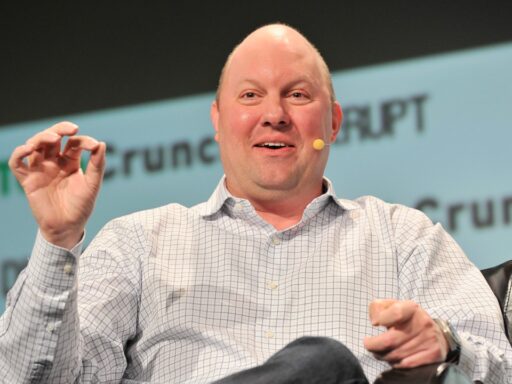
The latest disclosure centers on veteran leaker Evan Blass, whose track record with Samsung flagships has made his posts a reference point for the Galaxy S series roadmap. According to reporting that describes how Blass has “finally confirmed” the schedule, the new Galaxy S26 Ultra timing is presented as a concrete update rather than a vague window, which is why the leak is being treated as a step change in certainty rather than just another rumor. For consumers and investors, the involvement of a figure with this history of accurate Samsung predictions raises confidence that planning around an early 2026 launch is now a reasonable bet.
Coverage of the leak notes that Blass’s information effectively synthesizes earlier whispers about the S26 family into a near-final calendar, moving the conversation from speculation to what is being framed as a near-official timeline. One report characterizes the development as the Galaxy S26 Ultra release date being “finally confirmed by major leak, but it comes with a price,” a framing that underscores how the timing and cost implications are now being discussed together in a single, cohesive narrative. That combination of a familiar source and converging details matters because it shapes expectations for carriers, accessory makers, and app developers that need to align product cycles with Samsung’s next flagship.
Confirmed Release Timeline
The key detail emerging from the new reporting is that the Samsung Galaxy S26 Ultra is now expected to arrive in early 2026, in line with the company’s established annual cadence for the Galaxy S line but with far sharper precision than earlier chatter. Coverage of the latest leak explains that Blass has pinned down the launch window in a way that fits with Samsung’s pattern of early-year unveilings, which is why the S26 schedule is being treated as a continuation of the S24 and S25 playbook rather than a radical departure. For buyers who plan upgrades around contract renewals, that continuity reduces uncertainty and makes it easier to time trade-ins and financing.
Earlier in the rumor cycle, the S26 launch was described as something that “looks increasingly certain” after a series of consistent hints, and the new leak is presented as the point where that confidence solidifies. One detailed breakdown of the situation notes that the Galaxy S26 launch date now “looks increasingly certain” after confirmation from a “reliable leaker,” with the report explicitly tying that reliability to Evan Blass and his history of accurate Samsung calls, which is why the early 2026 window is being treated as credible guidance for the broader Android market. Another analysis goes further, stating that the Galaxy S26 launch date is “all but official at this point,” a phrase that captures how the latest information resolves earlier ambiguity about whether Samsung might slip the schedule or accelerate it in response to competition. For the wider ecosystem, that shift from rough estimates to an “all but official” timeframe helps partners lock in marketing campaigns, retail allocations, and software rollouts that depend on the S26 Ultra’s debut.
Pricing and Cost Implications
Alongside the timing, the leak also highlights a “price” angle that could reshape how the Galaxy S26 Ultra is positioned in the premium Android segment. Reporting that frames the story as the Galaxy S26 Ultra release date being confirmed “but it comes with a price” suggests that Samsung is weighing adjustments to the flagship’s cost structure, potentially pushing the Ultra model higher than the S25 Ultra in order to accommodate new hardware and AI features. For consumers, any upward move would sharpen the trade-off between staying with an older device like the Galaxy S24 Ultra and paying more for the S26 Ultra’s latest capabilities.
Additional coverage of Samsung’s internal deliberations explains that the company is actively considering changes to how it prices and bundles the S26 family, including the Ultra, as part of a broader rethink of its flagship strategy. One report on the company’s planning notes that Samsung is examining the Galaxy S26 release date and price together, with the analysis pointing to potential tweaks in storage tiers and launch promotions that could either soften or amplify any headline price increase. If Samsung opts for a higher base price but pairs it with aggressive trade-in credits or carrier subsidies, the impact on real-world affordability could be muted, yet buyers who prefer to purchase unlocked devices outright would still feel the full effect of any list price hike.
Design and Camera Spec Rumors
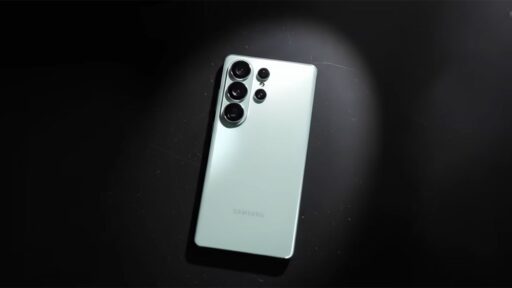
While the release date and pricing dominate the latest headlines, the same cluster of reports also revisits design and camera rumors that have been building around the Galaxy S26 series. A detailed rumor roundup explains that the S26 line is expected to refine the industrial design introduced with the S25, with subtle changes to the frame, camera housing, and display curvature rather than a complete overhaul, which would keep the S26 Ultra visually aligned with its predecessors while signaling incremental polish. For users, that approach suggests Samsung is prioritizing internal upgrades and software-driven experiences over dramatic cosmetic shifts, a strategy that can help maintain accessory compatibility and reduce the learning curve for long-time Galaxy owners.
On the imaging front, the same roundup of Galaxy S26 rumors points to camera enhancements that are positioned as clear upgrades over the S25, including improvements to zoom performance, low light processing, and AI-assisted shooting modes. The report on S26 rumors notes that the camera system is a central focus of Samsung’s development efforts, with the Ultra model expected to showcase the most advanced configuration in the lineup, which is consistent with how the company has treated the Ultra tier in previous generations. Another weekly digest of Samsung developments adds that the Galaxy S26 design, price, and camera leaks are emerging alongside work on Gen AI Bixby, new One UI 8.5 features, and Exynos cooling improvements, indicating that the S26 Ultra will likely be presented as part of a broader ecosystem upgrade that blends hardware, software, and AI services. For photographers and content creators, those combined changes could make the S26 Ultra a more compelling tool for mobile video, social media production, and on-device editing.
Pre-Order and Market Strategy Shifts
The leak-driven confirmation of the Galaxy S26 Ultra release date also intersects with reports that Samsung is rethinking how it handles pre-orders for the S26 family. One analysis of Samsung’s planning states that the company is weighing changes to the Galaxy S26 pre-order deal, with the report describing potential shifts in incentives, such as modified trade-in values, storage upgrade offers, or bundled services, compared with what buyers saw around the S25 launch. For carriers and retailers, any adjustment to those terms could alter how aggressively they market the S26 Ultra, since richer pre-order perks often translate into stronger early adoption and higher attachment rates for accessories and insurance plans.
Broader coverage of Samsung’s weekly developments connects these pre-order considerations to the company’s response to intensifying competition in AI features and voice assistants. A detailed rundown of Samsung’s current projects explains that the Galaxy S26 design, price, and camera leaks are emerging in parallel with work on Gen AI Bixby, new One UI 8.5 features, and enhanced Exynos cooling, suggesting that Samsung may use pre-order bundles to highlight those software and AI capabilities, for example by including extended cloud storage or premium Bixby features as early-buyer perks. For consumers, that strategy would shift the value proposition from pure hardware specifications to a more service-centric package, which could be particularly influential for users comparing the S26 Ultra with rival flagships that emphasize on-device generative AI and long-term software support. In my view, that pivot toward AI-driven incentives helps explain why Samsung appears willing to revisit both pricing and pre-order structures at the same time it locks in the S26 Ultra’s early 2026 launch window.
How the S26 Ultra Fits Into the Broader Galaxy Roadmap
Context from a comprehensive rumor overview shows that the Galaxy S26 Ultra is not an isolated product but part of a coordinated push that spans cameras, AI, and long-term software integration across the S26 lineup. The report that unpacks all the Samsung Galaxy S26 rumors, including release date and cameras, situates the Ultra as the flagship showcase for the series, with its early 2026 launch expected to anchor Samsung’s premium strategy for the year and influence how quickly features like advanced zoom and AI editing trickle down to more affordable models. For existing Galaxy S users, that positioning means the S26 Ultra will likely serve as the benchmark against which midrange and foldable devices are measured throughout 2026.
When I look across the reporting, the pattern is clear: a reliable leak from Evan Blass has pushed the Galaxy S26 Ultra release date into the “all but official” category, while parallel coverage of pricing, design, cameras, and pre-order strategy paints a picture of a device that is central to Samsung’s response to intensifying competition in AI-first smartphones. The early 2026 timing, potential price adjustments, and evolving pre-order incentives will shape not only how attractive the S26 Ultra appears to individual buyers, but also how carriers, accessory makers, and app developers plan their own launches around Samsung’s next flagship cycle.