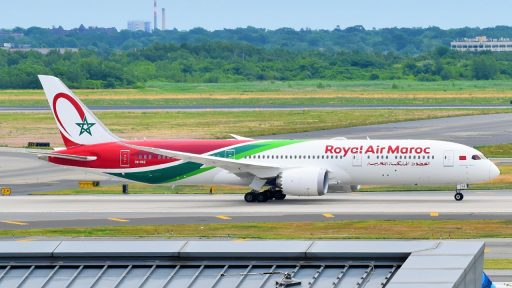
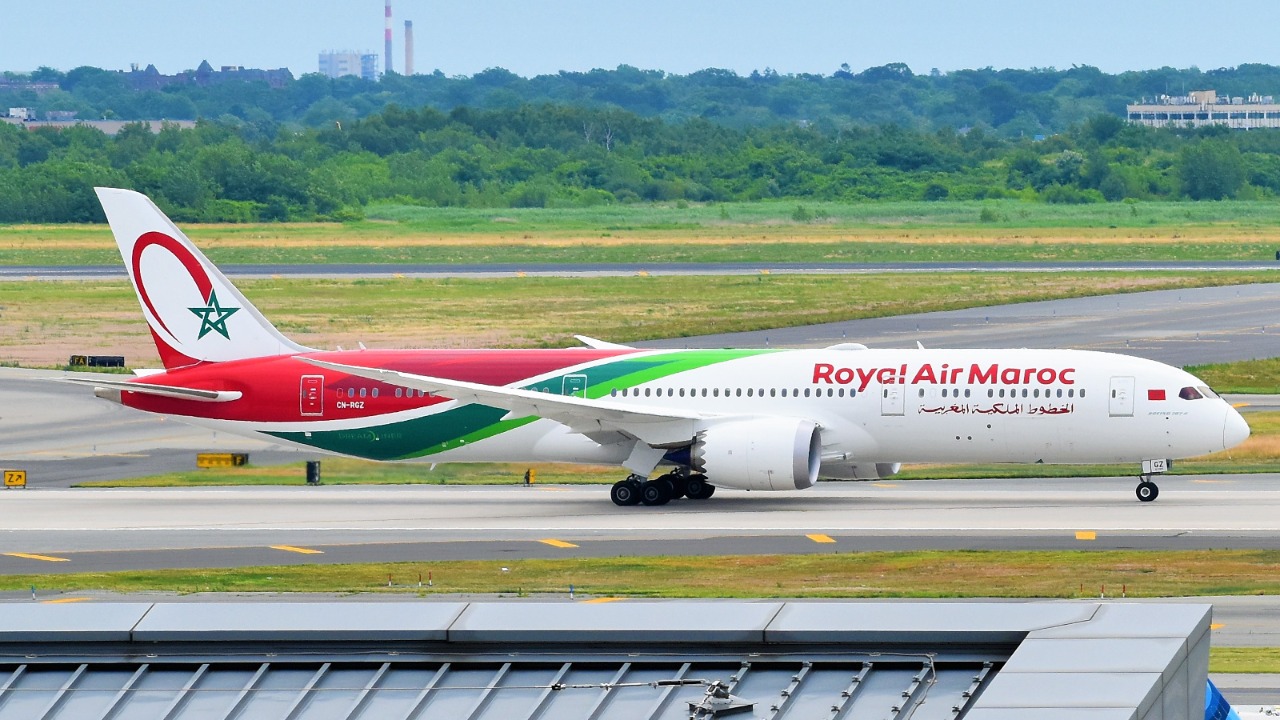

Royal Air Maroc is moving aggressively to scale up its medium haul network, signing a long term lease for 13 new Boeing 737 8 aircraft with Dubai based lessor DAE. The deal deepens the Moroccan flag carrier’s bet on the 737 MAX family as the backbone of its regional and transcontinental growth strategy. It also signals rising confidence in Morocco’s tourism and business demand, which has been rebounding and diversifying across Europe, Africa and North America.
The new aircraft will join a fleet that is already being refreshed through earlier MAX leases, positioning Royal Air Maroc to open new routes and add frequencies on existing ones. For DAE, the agreement locks in a marquee customer in North Africa and showcases the lessor’s ability to place new generation narrowbodies with airlines pursuing ambitious expansion plans.
Inside the Royal Air Maroc–DAE deal
The core of the announcement is straightforward: Royal Air Maroc has agreed a long term lease with Dubai Aerospace Enterprise for 13 Boeing 737 8 jets, a move that will significantly expand its single aisle capacity. The aircraft are part of a broader fleet renewal program that aims to grow the carrier’s overall fleet by 2035 and sharpen its competitiveness out of Casablanca Mohammed V, its primary hub. According to DAE chief executive Firoz Tarapore, the agreement reflects confidence in Morocco’s growing tourism and business markets, and it cements DAE’s role as a key partner in the airline’s next phase of growth, as highlighted in detailed fleet data on Casablanca Mohammed.
From the lessor’s side, the transaction is framed as a long term placement of new Boeing narrowbodies with a national carrier that is already on a growth trajectory. DAE has described the 13 aircraft as part of its strategy to deploy fuel efficient 737 8s into markets with strong fundamentals, a point underscored in its own announcement that it will lease 13 Boeing jets to Royal Air Maroc. The structure of the deal, while not fully disclosed, is described as a long term lease that will keep the aircraft in the Moroccan fleet for many years, giving the airline stability as it plans new routes and capacity increases.
How the 737 8s fit into Royal Air Maroc’s fleet strategy
Royal Air Maroc has been methodically building a 737 MAX based narrowbody fleet, and the DAE agreement is the latest piece of that puzzle. Earlier, the airline agreed to lease six Boeing 737 Max 8s from Avolon, a transaction that was confirmed when Royal Air Maroc and Avolon detailed their 737 M arrangements in fleet records on Royal Air Maroc. On October 14, Avolon announced that the first two Boeing 737 8s had already joined the Royal Air Maroc fleet, with the remaining aircraft set to follow through 2025 and 2026, a timeline that shows how quickly the MAX family is becoming central to the carrier’s operations, as detailed in an update from On October.
The new DAE aircraft will sit alongside those Avolon leased jets, giving Royal Air Maroc a larger pool of identical or near identical aircraft to deploy across its network. Morocco’s flag carrier has explicitly tied the 737 8 order to its broader expansion program, with local reporting noting that this order for 13 Boeing 737 8 aircraft strengthens an initial collaboration that had already seen the delivery of two similar units, as described in coverage of additional Boeing aircraft. By standardizing around the MAX 8, the airline can simplify pilot training, maintenance and spare parts, while also benefiting from the type’s fuel burn advantages on medium haul sectors linking Casablanca with Europe, West Africa and the Middle East.
Network growth, from Casablanca to new long haul links
The strategic logic behind the lease is rooted in network development. Royal Air Maroc has been clear that The Boeing 737 8 Aircraft will strengthen its network development capabilities, enabling new route openings and increased frequencies on existing services, a point the airline has emphasized in its explanation of how the new 737 jets will be deployed. The aircraft’s range and economics make it well suited to connecting Casablanca Mohammed V with secondary European cities and underserved African capitals, where demand is growing but does not yet justify widebody capacity. With 75, 108 and 184 seat configurations referenced in fleet planning documents, Royal Air Maroc can tailor cabin layouts to specific markets, as shown in technical data on 75.
The medium haul expansion also supports Royal Air Maroc’s long haul ambitions, particularly to North America. Various sources have disclosed that Royal Air Maroc plans to add two US routes in 2026, anticipating flights from Casablanca to new American gateways in time for the peak season, a plan that hinges on feeding long haul departures with a dense web of regional connections, as outlined in reporting that cites Various network plans. By using the 737 8s to thicken frequencies into Europe and Africa, the airline can offer more convenient one stop itineraries to US bound passengers, reinforcing Casablanca’s role as a transfer hub between continents.
Partnership dynamics between Royal Air Maroc and DAE
The lease agreement also reflects a deepening institutional relationship between Royal Air Maroc and Dubai Aerospace Enterprise. Royal Air Maroc and Dubai Aero have framed the deal as a long term partnership that aligns the interests of airline and lessor around the growth of Morocco’s aviation sector, a framing that appears in a joint announcement from Royal Air Maroc. For DAE, placing 13 Boeing 737 8 aircraft with a single customer is a significant commitment that showcases its confidence in Royal Air Maroc’s business model and in Morocco’s role as a regional hub.
From the Moroccan side, the partnership with DAE complements existing relationships with other lessors and manufacturers. Royal Air Maroc is already working closely with Boeing on its MAX fleet, and the new lease underscores that alignment by adding more 737 M aircraft to its order book, a point emphasized in analysis that describes how Royal Air Maroc is set to boost its medium haul operations with 13 Boeing 737 MAX 8 aircraft from Dubai Aer, as detailed in coverage of the 737 M. The long term nature of the lease gives both sides an incentive to collaborate on aircraft deployment, maintenance support and potential future transactions as the airline moves toward its 2035 fleet targets.
Morocco’s aviation ambitions in a global context
Royal Air Maroc’s fleet expansion is not happening in isolation, it is part of a broader wave of airline and lessor activity that is reshaping narrowbody fleets worldwide. Industry data shows that carriers from Southwest Airlines to Air India are investing heavily in new generation single aisle aircraft, with one analysis noting that Royal Air Maroc is leasing additional 737 8s as part of a plan to carry up to 32M passengers by 2037, a trajectory that places it among a cohort of growth focused airlines tracked alongside Southwest Airlines. In that context, Morocco’s decision to double down on the 737 8 is a bet that global travel flows will continue to favor point to point and hub and spoke networks built around efficient narrowbodies.
Regionally, the move also positions Royal Air Maroc to compete more effectively with Gulf and European carriers that are targeting North and West African traffic. Etihad, for example, is preparing to launch its first nonstop flights to Western Canada, while projects like Topgolf Yas Island on Yas Island are part of a broader push by Miral and others to deepen the Gulf’s tourism appeal, developments that underscore how competitive the wider aviation and travel landscape has become, as noted in a regional roundup that includes DAE’s plan to lease 13 Boeing 737 8 aircraft to Royal Air Maroc. By securing a substantial tranche of new 737 8s through DAE and other lessors, Morocco’s flag carrier is signaling that it intends not just to keep pace with that competition, but to turn Casablanca into a more formidable hub linking Africa, Europe and the Americas.