
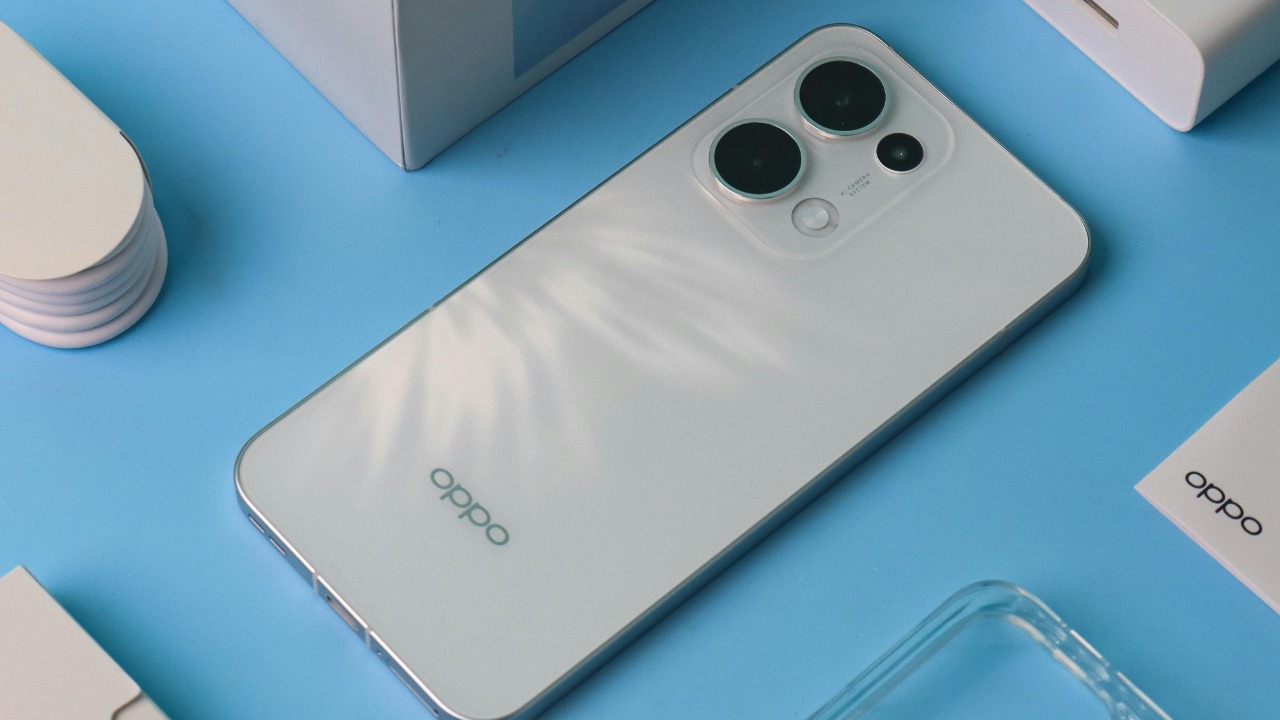

Chinese smartphone maker Realme is set to become a subbrand of Oppo, its parent company, as part of a broader restructuring of the smartphone business. The shift will fold Realme’s previously independent operations more tightly into Oppo’s structure, marking a significant consolidation within the BBK Electronics portfolio where Oppo already oversees multiple brands. Reports indicate the changes could take effect in 2026, reshaping how Realme is positioned in global markets and how it competes in the crowded Android segment.
Announcement of the Subbrand Shift
Realme, long positioned as a budget-friendly smartphone brand targeting value-conscious buyers, is confirmed to transition into an Oppo subbrand according to recent reporting that describes the move as a formal change in its corporate status. The decision means Realme will no longer operate as a standalone entity but will instead sit directly under Oppo’s brand hierarchy, aligning its product planning, marketing and distribution more closely with its parent. For a company that built its identity on aggressive pricing and rapid product cycles, the shift signals a new phase in which Realme’s differentiation will be managed from within a larger, centrally directed portfolio.
The move represents a key update in Realme’s status, moving from a relatively independent label to deeper integration under Oppo’s umbrella, with reports framing the change as part of a deliberate consolidation strategy rather than a short term adjustment. By bringing Realme into a clearer subbrand role, Oppo is expected to streamline overlapping functions, reduce internal competition and present a more coherent line up to carriers and retailers. That kind of integration can alter how distributors negotiate volumes and margins, and it may also influence how consumers perceive Realme devices in relation to Oppo’s own mid range and premium phones.
Restructuring Within the Smartphone Business
Oppo’s parent company is reorganizing its smartphone divisions, and Realme’s new subbrand status is described as central to those changes in reporting that details a broader restructuring of the group’s handset operations. The reorganization is framed as a structural response to a maturing global smartphone market, where slower growth and tighter margins are pushing manufacturers to cut duplication and focus on scale. By placing Realme more firmly under Oppo’s control, the parent group is effectively tightening the internal links between research and development, supply chain management and software platforms across its brands.
The integration highlights evolving strategies in China’s competitive mobile market, differing from prior approaches that emphasized clearly separated brand identities even when companies shared ownership. According to coverage of the restructuring, the shift is presented as a proactive step to enhance efficiency amid global market pressures, including intense competition from rivals and ongoing price sensitivity in key regions. For stakeholders, that means Oppo can potentially leverage shared components, unified software experiences and coordinated launches to respond more quickly to competitors, while Realme’s role may evolve from challenger brand to a more defined tier within a multi layer Oppo ecosystem.
Timeline and Implementation Details
The subbrand transition for Realme under Oppo is slated for implementation around 2026, with reporting indicating that the structural changes are planned as a near term shift from current arrangements rather than a distant objective. That timeline gives Oppo and Realme a window to adjust internal processes, renegotiate channel agreements and prepare marketing strategies that reflect the new hierarchy. It also suggests that upcoming product cycles over the next year or two could be used as a bridge, gradually aligning Realme’s hardware and software roadmaps with Oppo’s while keeping existing customer commitments intact.
This update contrasts with earlier reports of Realme’s autonomy, which had emphasized its separate management and brand positioning, and now points to a future in which Realme is more tightly bound to Oppo’s decision making structure. Operational changes, including potential branding and product overlaps, are expected to roll out progressively, with analysts watching for signs such as shared design languages, unified user interfaces or coordinated launches in markets like India and Southeast Asia. For consumers and partners, the phased implementation means that Realme phones are unlikely to change overnight, but the cumulative effect by 2026 could be a portfolio where Oppo and Realme devices are clearly segmented by price and feature set rather than by corporate independence.
Implications for Stakeholders
For consumers, Realme’s new role as an Oppo subbrand may lead to more unified product ecosystems, with closer alignment in software updates, after sales service and accessory compatibility across the two labels. Reporting on the restructuring notes that such integration could affect pricing and availability in key markets like India and Europe, where Realme has built a strong presence with aggressively priced 5G phones and budget models. If Oppo uses the subbrand structure to rationalize lineups and reduce internal overlap, buyers might see clearer distinctions between entry level Realme devices and higher tier Oppo models, potentially simplifying purchase decisions but also narrowing the range of ultra low cost options.
Oppo, for its part, gains strengthened portfolio control that could boost its competitiveness against rivals like Xiaomi and Vivo by allowing it to coordinate Realme’s positioning more tightly with its own. The restructuring underscores BBK Electronics’ focus on consolidation, and reporting links this strategy to investor expectations about long term growth in the smartphone sector, where scale and efficiency are increasingly critical. For carriers, retailers and component suppliers, a more centralized Oppo Realme structure could mean larger, more predictable orders and streamlined negotiations, but it may also concentrate decision making power in fewer hands, raising the stakes of each strategic bet on pricing, features and regional focus.
Strategic Rationale and Market Context
Coverage of the decision to make Realme an Oppo subbrand situates the move within a broader pattern of Chinese smartphone makers reassessing how many distinct brands they can sustain in a slowing market. By integrating Realme more closely, Oppo is positioned to cut back on duplicated engineering projects, consolidate marketing budgets and negotiate better component pricing through higher combined volumes. That kind of consolidation is particularly relevant in segments like mid range 5G, where margins are thin and small cost advantages can determine whether a model succeeds or is quickly discounted.
Analysts cited in reports on the restructuring argue that the shift also reflects changing dynamics in overseas markets, where regulatory scrutiny, shifting carrier partnerships and geopolitical tensions have complicated expansion plans for Chinese manufacturers. A more unified Oppo Realme structure could help the group respond more flexibly to import restrictions or local content rules by reallocating resources between brands without the friction of semi independent management teams. For investors and industry observers, the Realme subbrand transition is therefore not only a corporate housekeeping exercise but a signal of how BBK Electronics intends to defend and potentially grow its share in a global smartphone industry that is increasingly shaped by scale, regulation and regional risk.
Unverified based on available sources.
According to a detailed account of the restructuring, Realme to become OPPO sub-brand as company restructures smartphone business: report describes how the company’s smartphone operations are being reorganized around Oppo as the central brand. Another report, titled Chinese smartphone maker Realme set to become an Oppo subbrand By Reuters, emphasizes that Realme is set to become an Oppo subbrand as part of this broader restructuring of the smartphone business. A separate account, Chinese smartphone maker Realme set to become an Oppo subbrand, notes that the transition could reshape Realme’s independent operations, with changes potentially taking effect in 2026. Additional coverage under the headline Realme set to become an Oppo subbrand highlights that the restructuring aims to streamline operations across the Chinese manufacturer’s lineup and strengthen Oppo’s control over its portfolio.