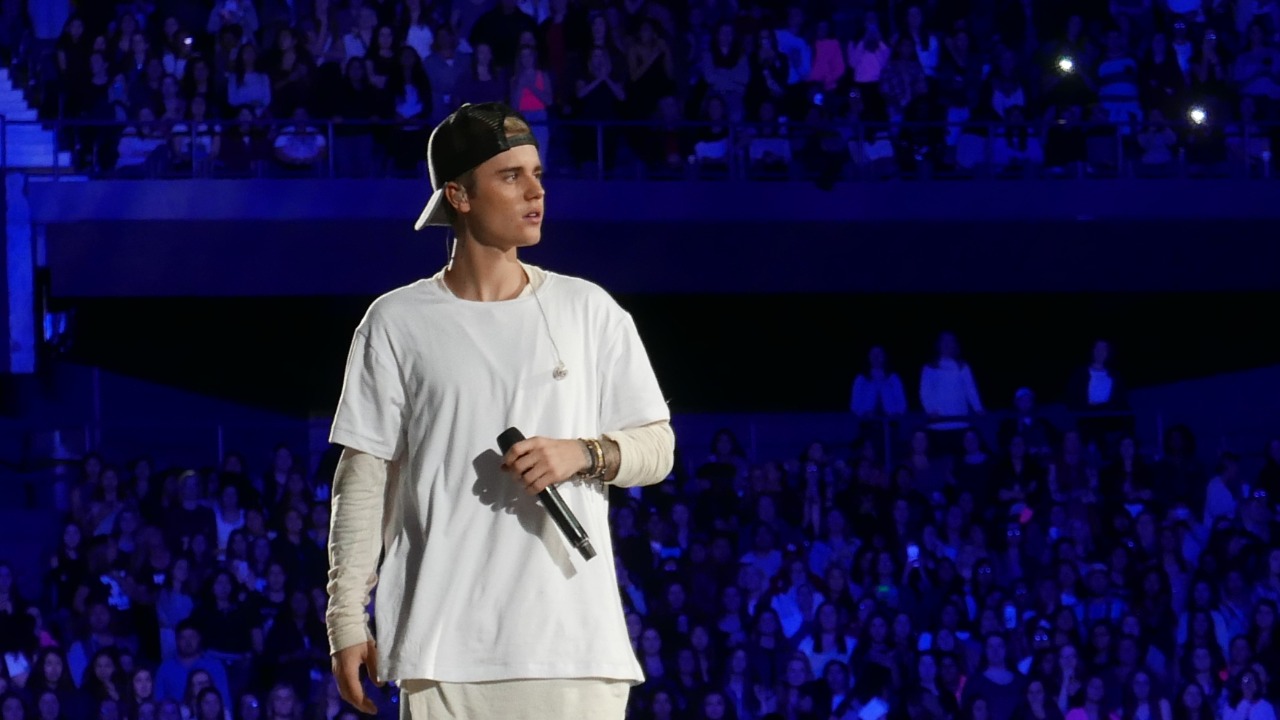

Pop sensation Justin Bieber recently vented his frustration over an annoying iPhone design feature that has been plaguing users worldwide. In a candid moment that highlights his everyday struggles, Bieber shared how this particular aspect of the device’s design disrupts his routine, making him feel just like any other smartphone owner dealing with tech irritations. His outburst has quickly resonated with fans, turning a personal gripe into a broader discussion on iPhone usability and how much control users really have over their devices.
Bieber’s Public Rant
Justin Bieber’s latest tech complaint surfaced as a pointed rant about an iPhone design choice that he says keeps getting in the way of normal conversations and daily tasks. According to coverage of his reaction, the singer did not hold back, describing himself as “really mad” that a feature baked into the iPhone’s interface can hijack what he is trying to do on screen and force him to stop and correct it. By focusing on how this design quirk interrupts simple actions like replying to messages or checking notifications, Bieber framed his frustration in terms that mirror the everyday annoyances many iPhone owners describe when a supposedly smart feature behaves in ways they never asked for.
Reports on the incident note that Bieber’s comments landed with unusual force because they came from someone who has long been associated with polished, tech-forward branding rather than public complaints about consumer gadgets. In coverage of Justin Bieber being “just like us” and “really mad” about an annoying iPhone design feature, his anger is framed as a sharp contrast to the upbeat tone of typical celebrity tech endorsements, underscoring how disruptive the issue feels even to someone used to working with the latest devices. That framing matters for Apple and its users, because it turns a single celebrity complaint into a widely shared reference point for how intrusive design decisions can erode trust in everyday tools.
The Culprit: iPhone’s Design Flaw
The feature at the center of Bieber’s ire is described in reporting as a built-in iPhone design element that changes what appears on screen or how the device responds at moments when users expect stability, not surprises. Functionally, it behaves like a system-level control that can override what an app is doing, shifting focus or triggering an action that the user did not intend, which is exactly the kind of behavior that fuels complaints about “annoying” design. Bieber’s frustration, as relayed in the coverage, focuses on how this behavior breaks the flow of simple interactions, forcing him to stop, undo what just happened, and then try again, a pattern that many users recognize from their own run-ins with aggressive interface features.
User experiences described alongside Bieber’s complaint align with that picture of a design flaw that has persisted across multiple iPhone generations even as other parts of the hardware and software have evolved. People who upgraded from earlier models that lacked this particular behavior report feeling as if control has been taken away from them, since the feature is deeply embedded in the operating system and cannot easily be disabled. That continuity across models is significant for both Apple and its customers, because it suggests that the company has treated the feature as a core part of the iPhone experience rather than an optional extra, even as a growing chorus of users now cite it as a prime example of how small design decisions can have outsized effects on everyday usability.
Fan and Public Backlash
Reaction from Justin Bieber’s fanbase was swift, with social media feeds filling up with posts that echoed his complaints and added personal stories about the same iPhone issue. Fans quoted his “really mad” phrasing as a shorthand for their own irritation, turning it into a kind of rallying cry for people who feel that the device’s design sometimes works against them instead of for them. That wave of responses matters because it shows how a single celebrity comment can crystallize a diffuse set of grievances into a focused conversation about what users want from their phones and how much friction they are willing to tolerate.
Coverage of the backlash notes that online discussions about the design flaw surged after Bieber’s comments were amplified across platforms, with threads and comment sections filling up with complaints, screenshots, and suggestions for how Apple should fix the problem. Some fans framed the issue as a basic respect question, arguing that a premium device should not repeatedly interrupt or override its owner’s choices, while others used the moment to call for more transparent settings that would let them turn the feature off entirely. For Apple, that kind of organized frustration can be more consequential than scattered individual complaints, because it signals a shift in public awareness that can influence how reviewers, analysts, and future buyers talk about the product.
Implications for Apple and Users
The immediate impact of Bieber’s rant on Apple’s reputation lies in how it reframes a niche usability gripe as a mainstream concern that even high-profile users cannot ignore. When a global pop star publicly vents about a specific design choice, it challenges the narrative that friction points are minor trade-offs in an otherwise seamless experience and instead highlights them as potential deal-breakers. Analysts watching the reaction point out that such moments can shape consumer perception long after the initial controversy fades, because they become reference stories that people recall when deciding whether to upgrade or switch platforms.
For everyday users, the controversy has sharpened expectations about what future iPhone iterations should deliver, particularly when it comes to giving people more control over system-level behaviors that affect how they communicate and work. Many of the responses highlighted in reporting call for Apple to revisit the design in upcoming models, either by softening how aggressively the feature takes over the screen or by adding clear, accessible options to disable it. That wish list reflects a broader trend in consumer tech, where users increasingly expect premium devices to adapt to their preferences rather than forcing them to adapt to rigid design decisions, and it raises the question of whether Apple will treat Bieber’s feedback as a signal to prioritize usability tweaks in its next round of updates.