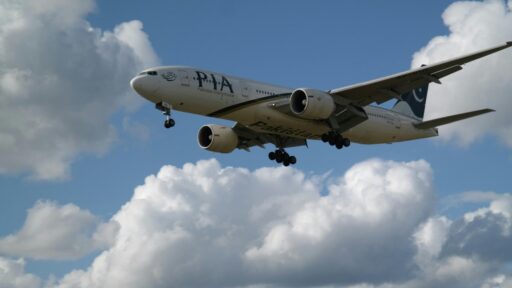
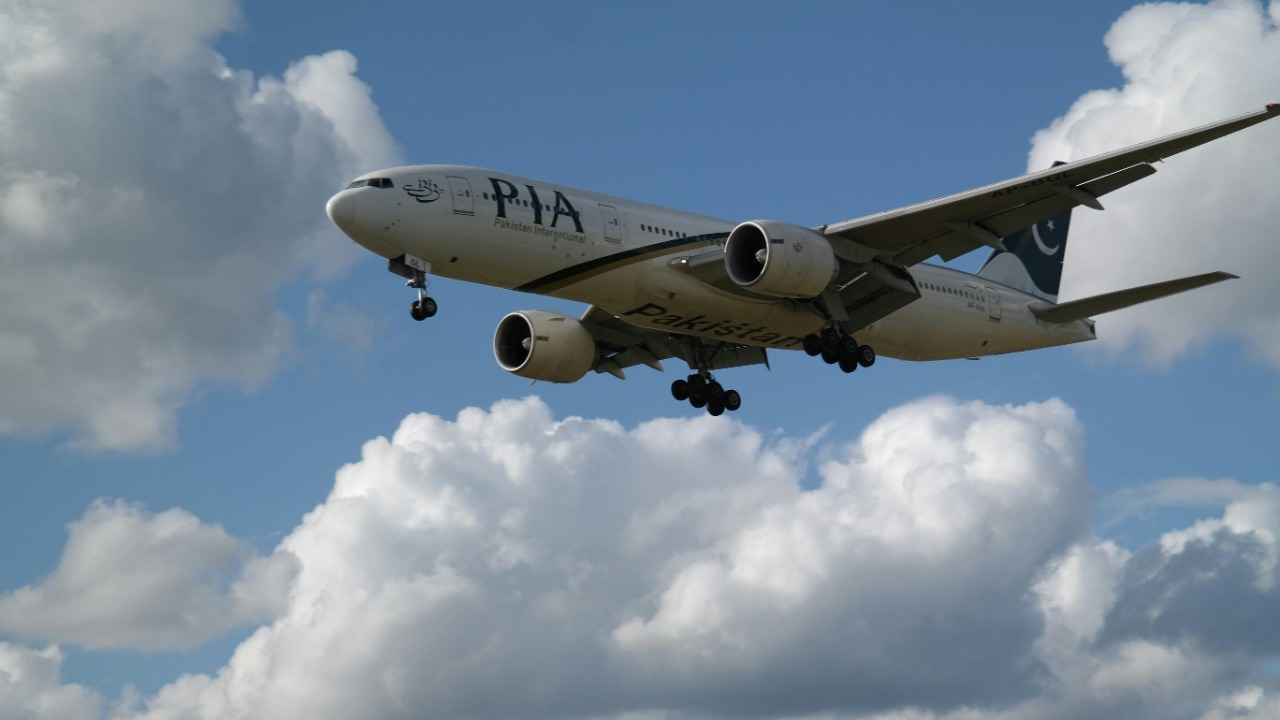

Pakistan International Airlines has been sold to an investors consortium led by a stockbroker, marking a pivotal shift in the airline’s ownership amid ongoing financial restructuring efforts. The transaction, finalized after government approvals, centers on PIA’s operational assets based in Karachi and is framed as a way to inject fresh capital and stabilize the carrier’s routes across Pakistan and internationally. The sale is intended to move the loss‑making flag carrier toward a commercially viable footing after years of state support.
Background on PIA’s Financial Struggles
Pakistan’s flag carrier entered the sale process after a long period of mounting debts and operational losses that left the airline dependent on the state budget. According to reporting on the sale of Pakistan International Airlines to an investors consortium led by a stockbroker, the company’s balance sheet had become dominated by accumulated liabilities, with repeated audits flagging the airline’s inability to cover financing costs from operating revenue. These chronic deficits translated into delayed payments to suppliers, constraints on maintenance spending, and a shrinking margin for error in day‑to‑day operations, raising concerns for passengers and regulators about the sustainability of the network.
Government interventions over several years, including privatization mandates that were first set out in 2021, laid the groundwork for the eventual investor‑led takeover. Those mandates instructed officials to separate PIA’s core aviation business from non‑core holdings and to prepare the airline for a strategic sale, a process that included workforce restructuring and the consolidation of operations around Karachi. For employees, the run‑up to privatization meant job uncertainty and, in some cases, workforce reductions, while passengers saw suspended international flights on routes that were no longer financially viable, signaling that the status quo could not be maintained without a fundamental change in ownership and strategy.
Details of the Investor Consortium
The buyers are described as an investors consortium led by a stockbroker, with the lead figure positioned as the public face of the transaction and the key negotiator with the Pakistani authorities. Reporting on the sale of Pakistan International Airlines to this investors consortium led by a stockbroker notes that the group has presented itself as having experience in capital markets and exposure to aviation‑related investments, a profile that the government viewed as important for raising the funds needed to recapitalize the airline. By placing a stockbroker at the head of the consortium, the structure signals an intention to use financial engineering, asset optimization, and potential future listings to unlock value from PIA’s fleet and infrastructure.
Within the consortium, equity contributions are divided among several participating investors, each committing capital in exchange for a defined share of the restructured airline. The acquisition terms, as outlined in the reporting, include the transfer of PIA’s operational assets, including aircraft, slots, and ground infrastructure in Karachi, into a new ownership vehicle controlled by the consortium, while legacy liabilities remain subject to a separate restructuring track. For stakeholders, this separation of assets and debts is critical, because it is designed to give the new owners a cleaner platform from which to invest in operations, while creditors and employees look to the state and the restructuring framework for clarity on how outstanding obligations will be handled.
Government Role and Approval Process
The Pakistani government framed the divestment of PIA as part of a broader strategy to reduce the fiscal burden of state‑owned enterprises and to comply with conditions attached to an International Monetary Fund bailout. Officials responsible for the privatization program argued that continued state ownership of the airline, in its existing financial condition, was incompatible with commitments to cut subsidies and improve public‑sector efficiency. By moving ahead with the sale to an investors consortium led by a stockbroker, the government signaled to international lenders and domestic markets that it was prepared to relinquish control of a politically sensitive asset in order to stabilize public finances.
Regulatory approvals formed a central part of the process, with bodies such as the Competition Commission of Pakistan tasked with reviewing the transaction from the perspective of market concentration and consumer impact. The timeline described in coverage of the PIA sale traces a sequence from initial expressions of interest, through formal bids, to the final signing once competition and aviation regulators had cleared the deal. Aviation ministry officials, in public statements, linked the expected economic benefits of the sale to reduced state subsidies, arguing that a privately managed PIA would no longer require recurring budget transfers and could instead contribute to tax revenues and foreign exchange earnings if it returned to profitability.
Implications for PIA’s Future Operations
Under the new ownership, the consortium has outlined plans that focus on stabilizing operations in the short term and modernizing the fleet over the medium term, with particular attention to routes that connect Karachi to major domestic and international destinations. Reporting on the sale of Pakistan International Airlines to an investors consortium led by a stockbroker indicates that the buyers see scope to refresh aircraft, improve on‑time performance, and re‑evaluate unprofitable routes, using commercial criteria rather than political considerations to shape the network. For passengers, the stakes are high, because any improvement in reliability and service quality will directly affect travel choices in a market where foreign carriers have gained ground during PIA’s years of decline.
Early reactions from stakeholders, including travel agents and business groups, have focused on whether private ownership can deliver the efficiencies that state control failed to achieve. The end of direct government management is expected to give the consortium more flexibility in hiring, procurement, and pricing, which in theory should allow faster responses to market demand and competitive pressure. If those efficiencies materialize in the coming fiscal year, PIA could begin to rebuild its reputation as a viable option for both domestic and international travelers, while employees and suppliers will be watching closely to see whether the promised capital injections translate into tangible improvements in working conditions and operational stability.