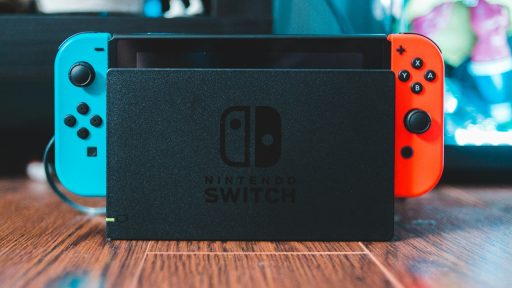
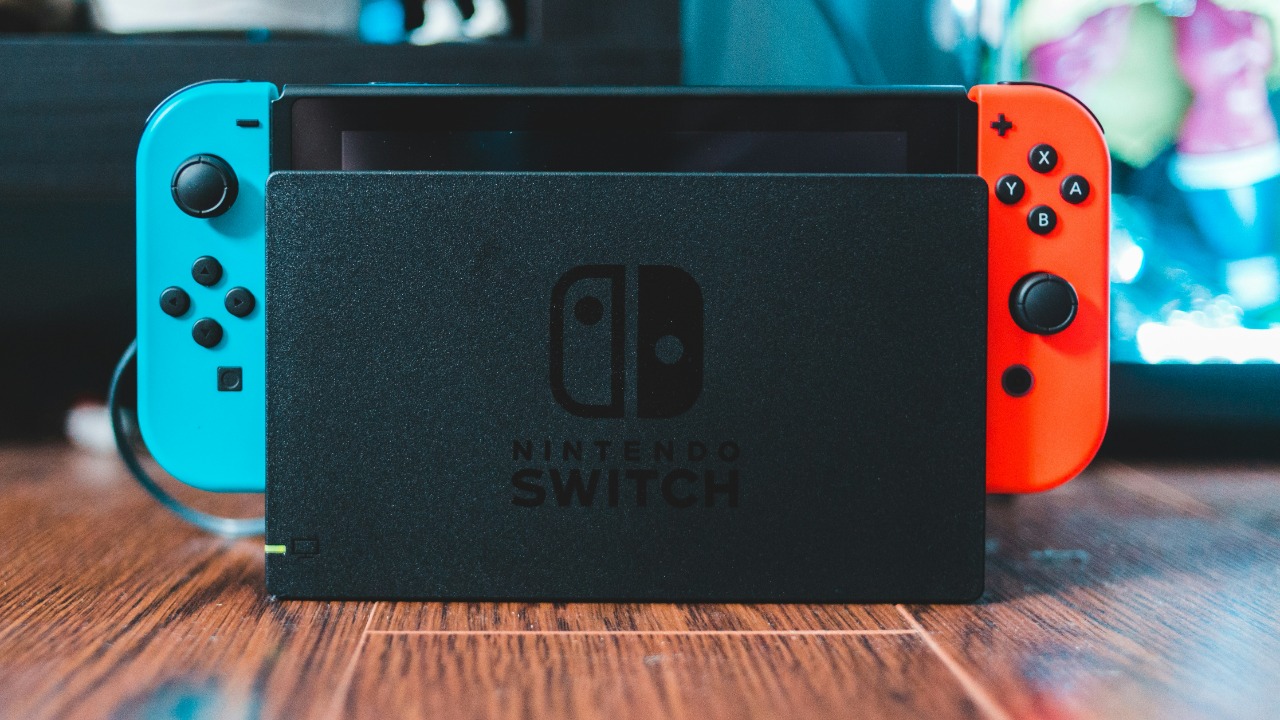

The Nintendo Switch has crossed a threshold that once seemed reserved for the company’s most storied handhelds, becoming the gaming giant’s top-selling machine in its history. After years of steady demand and a late-cycle surge, the hybrid console has now moved past every previous Nintendo system and cemented itself as the company’s defining platform of the modern era. That milestone is not just a sales record, it is a verdict on a design bet that rewired how and where people play.
Behind the headline figure sits a broader shift in Nintendo’s strategy, from hardware experiments that swung between runaway hits and painful misfires to a unified ecosystem built around one flexible device. I see the Switch’s ascent as the culmination of that pivot, powered by a software lineup that kept expanding, a savvy approach to pricing and bundles, and a wider push to turn characters like Mario into global entertainment brands.
From hybrid gamble to 155.37 m sales
When The Nintendo Switch arrived in 2017, it was pitched as a single device that could live under the TV and in a backpack, a hybrid that merged Nintendo’s home console and handheld businesses. That consolidation has now paid off at historic scale, with The Nintendo Switch console reaching 155.37 m units sold worldwide, a figure that makes it the company’s best-selling device of all time. In updated hardware tables, Nintendo has formally recognized that The Switch Is Nintendo Best Selling Console Of All Time, a status reflected in refreshed Unit Sales rankings that now place the hybrid ahead of every prior system.
The scale of that achievement comes into sharper focus when set against the company’s earlier benchmarks. For years, the Nintendo DS and Wii defined the upper bound of the firm’s hardware ambitions, but the first Nintendo Switch has now been identified in financial filings as the highest selling console in the company’s history, surpassing those earlier records with more than 154 million units and then pushing beyond. Internal commentary around those results has emphasized that Nintendo has to keep selling the Switch if it wants to maintain momentum, a point underscored in analysis that notes how The Switch is now Nintendo’s best-selling console of all time yet still sits behind the very top-selling console across the entire industry, a gap highlighted in coverage of Nintendo earnings.
Why this hybrid resonated where Wii U stumbled
The Switch’s success is inseparable from the failure that came before it. After the Wii’s explosive popularity, Nintendo struggled with the Wii U, a system whose tablet-style controller confused buyers and split development focus between TV and second screen. With Switch, Nintendo instead folded its portable and living room ambitions into one clear proposition, a single device that could be docked or used on the go, a design that internal financial commentary has described as unifying its console and handheld markets in a. That clarity helped consumers understand what they were buying and gave developers a single hardware target.
Crucially, Nintendo backed the hardware with a steady cadence of first party games that turned the console into a must-own platform rather than a curiosity. Reports on the company’s latest results point to a software catalog that includes evergreen hits like Mario Kart 8 Deluxe, which has been singled out as the most popular title on the system, and a string of major releases that kept the install base engaged well into the hardware’s middle age, a pattern detailed in breakdowns of franchises and characters. That combination of clear hardware purpose and enduring software support is what I see as the core difference between the Switch era and the Wii U’s short, muddled run.
How Nintendo’s broader strategy powered the record
Hardware and software alone do not explain how Nintendo reached 155.37 m units. The company also leaned into a broader entertainment strategy that treated its characters as cross-media anchors, not just game mascots. The success of recent film adaptations and theme park expansions has been cited as a factor that breathed fresh life into the console, with Universal and Illumination’s work around Mario helping to keep interest high in the underlying games and hardware, a dynamic described in coverage of how Nintendo has expanded the way it spreads its intellectual property. That cross-pollination meant that a hit movie could translate into renewed demand for a six-year-old console.
On the commercial side, Nintendo has also benefited from a long tail of hardware variants, bundles, and promotions that kept the Switch visible in retail channels. Analysts tracking the console’s trajectory have pointed to the introduction of models like the Switch Lite and OLED version, as well as seasonal deals that made the system a staple of holiday shopping lists, patterns that show up in sales-focused breakdowns of the Nintendo Switch as the company’s best-selling console ever and in consumer-facing shopping coverage. Even basic search listings for the hardware now foreground its status as a record-setting product, with retail hubs highlighting the console’s reach in aggregated product listings that reinforce its mainstream profile.
Switch 2, lifetime records, and what comes next
Even as the original Switch sets internal records, attention is already shifting to its successor. Reporting on Nintendo’s latest financials notes that Switch is Nintendo’s best-selling console ever, while Switch 2 is still the fastest in terms of early sales velocity, a contrast that underlines how the company is managing two generations at once, with Switch 2 described as still the fastest in some financial results. At the same time, analysts caution that while the Switch may be Nintendo’s best-selling hardware ever, it still trails the absolute industry leader in lifetime units, a point made in discussions of how the Switch compares with older systems and how Switch 2 has already outpaced the Wii’s United States lifetime total.
That context matters because it shapes how Nintendo will manage the tail of the current hardware. Commentary around the latest earnings suggests that Nintendo has to keep selling the Switch if it wants to close the gap with the all-time global console leader, even as it ramps up production and marketing for the new system, a balancing act described in coverage that notes how The Switch is now Nintendo’s best-selling console of all time and how Nintendo has to the aging hardware. In practice, that likely means more cross-generation releases, continued support for evergreen titles like Mario Kart 8 Deluxe, and careful messaging that celebrates the original Switch’s 155.37 m milestone without prematurely signaling its retirement.
A defining platform for Nintendo’s modern identity
Beyond the numbers, I see the Switch era as the moment Nintendo reconciled its heritage as a toy maker with its role in a global entertainment industry. The console’s detachable controllers, tabletop modes, and family-friendly focus kept faith with the company’s history, while its hybrid design and robust digital storefront acknowledged how players now expect to move seamlessly between portable and living room play. That blend has been recognized in multiple analyses that frame Nintendo Switch as the company’s best-selling console ever and as the hardware that finally unified its previously separate handheld and home console businesses. The result is a platform that feels less like a one-off experiment and more like the template for everything that follows.
The Switch’s ascent also reshapes how Nintendo’s back catalog is perceived. With the system now officially recorded as The Switch Is Nintendo Best Selling Console Of All Time in updated sales tables, earlier milestones like the DS and Wii are being reinterpreted as stepping stones toward a unified hybrid future, a narrative reflected in the way Nintendo has updated its sales data. For players, that means the library built on this hardware, from launch titles to late-cycle hits, is likely to remain central to Nintendo’s identity for years, whether through backward compatibility on future devices or through ongoing reissues that keep the Switch’s defining games in circulation. In that sense, the sales record is not just a capstone on the console’s life, it is the foundation for Nintendo’s next chapter.