
A recent analysis underscores the pressing requirement for the next generation of radar to identify micro-debris threats in low Earth orbit (LEO), as detailed in reporting from November 18, 2025. As satellite constellations multiply and orbital traffic intensifies, this technology is emerging as a critical safeguard for future missions and commercial operations by enabling more precise detection and mitigation of collision risks.
The Imperative for Advanced Debris Tracking
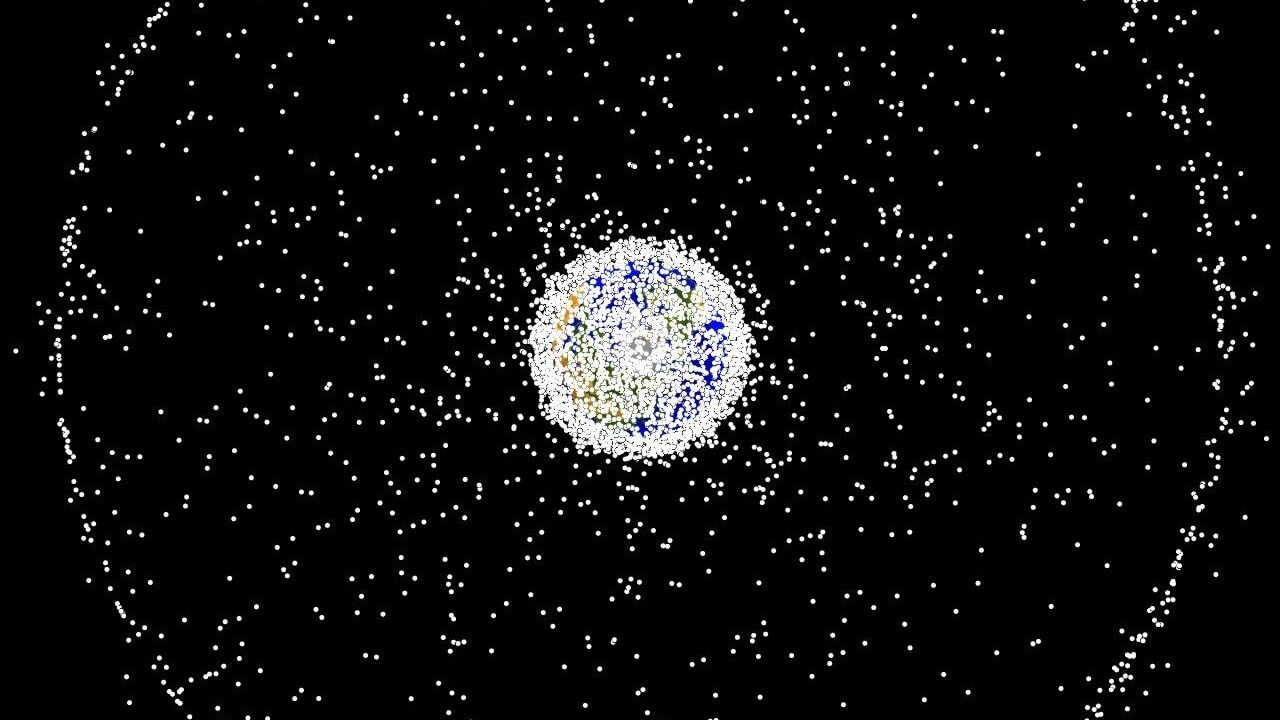
Existing radar systems were largely designed to track objects several centimeters across, which leaves a blind spot for micro-debris smaller than 1 centimeter that can still puncture spacecraft surfaces and damage sensitive components. According to the reporting on the next generation of radar needed to detect micro-debris and enable a safer LEO, operators increasingly recognize that this undetected population of fragments represents a significant share of the collision risk in crowded orbital shells. The stakes are particularly high for satellites that rely on large solar arrays, exposed sensors, and pressurized modules, where even a millimeter-scale impact can degrade performance or shorten mission lifetimes.
Undetected micro-debris contributes to a cumulative hazard that traditional conjunction warnings do not fully capture, because current catalogs focus on larger trackable objects and ignore the swarm of smaller fragments that can still release clouds of secondary debris. The November 18, 2025 reporting frames next-generation radar as a way to shift from reactive damage assessment to proactive avoidance, giving operators a more complete picture of the environment their spacecraft traverse. I see this as a pivotal change in risk management, since better tracking of micro-debris would allow satellite owners to refine shielding strategies, adjust operational altitudes, and plan maneuvers with a clearer understanding of where the most hazardous debris fields are concentrated.
Key Features of Next-Generation Radar Systems
The envisioned next-generation radar systems are defined by enhanced resolution and sensitivity that extend detection down into the micro-debris regime, rather than stopping at the centimeter-scale threshold that constrains many current sensors. Reporting on the need for a safer LEO describes how higher-frequency radar, more powerful transmitters, and advanced signal processing are being combined to pick out extremely small objects against the background noise of the ionosphere and terrestrial interference. For satellite operators, the practical implication is the ability to receive alerts about threats that previously went unnoticed, which can inform both short-term collision avoidance and long-term design decisions about where to place critical hardware on a spacecraft bus.
Integration with existing space surveillance networks is another defining feature, since new radars will not operate in isolation but will feed data into broader tracking architectures that already support conjunction assessments and catalog maintenance. The November 18, 2025 analysis emphasizes that these systems are being conceived as real-time contributors to operational decision-making, providing satellite control teams with timely updates that can trigger evasion maneuvers when micro-debris passes within critical distances. I interpret this as a move toward a more dynamic space traffic management model, where continuous streams of radar data help operators balance fuel consumption, mission objectives, and safety margins in a more informed way than static, infrequent tracking updates allow.
Stakeholder Impacts and Operational Changes
Satellite manufacturers and launch providers stand to benefit directly from reduced micro-debris collision probabilities in LEO, because better environmental data can be folded into both hardware design and mission planning. The reporting on micro-debris stresses that next-generation radar will transform how companies quantify risk for new missions, replacing broad statistical assumptions with more granular, region-specific assessments of debris density. From my perspective, this shift could influence everything from the thickness of Whipple shields on crewed vehicles to the placement of star trackers on commercial imaging satellites, as engineers gain access to more precise models of where and how often small fragments are likely to strike.
Regulatory bodies and international agencies, including NASA and ESA, are also highlighted as key users of these advanced radars, since they are responsible for updating space traffic management protocols and debris mitigation guidelines. The November 18, 2025 reporting suggests that more accurate tracking of micro-debris will give regulators a stronger empirical basis for setting standards on post-mission disposal, passivation, and collision avoidance thresholds. I expect that as these radars come online, agencies will be better positioned to coordinate cross-border data sharing, align national regulations with real-world debris conditions, and encourage operators to adopt best practices that reflect the actual, measured risk rather than conservative estimates that may either overstate or understate the danger.
Future Outlook for LEO Sustainability
Next-generation radar is poised to play a central role in supporting mega-constellations like Starlink, which deploy thousands of satellites into LEO and therefore face a heightened exposure to micro-debris incidents. The November 18, 2025 analysis frames advanced early warning as a way to minimize downtime and service interruptions, since operators can plan collision avoidance maneuvers that protect spacecraft without unnecessarily disrupting network coverage. In my view, this capability will be essential for maintaining customer confidence in satellite broadband and Earth observation services, because it directly affects uptime, latency, and the long-term viability of dense orbital architectures.
The same reporting points to ongoing research and funding initiatives that have been spurred by the recognition that micro-debris tracking is a bottleneck for sustainable LEO operations, marking a pivotal update in global efforts to keep orbital pathways accessible. As these projects move from conceptual designs to deployable systems, stakeholders will still need to confront challenges such as upgrading ground stations, integrating new data formats into existing software, and training operators to interpret more complex risk information. I see these hurdles as manageable compared with the cost of inaction, since a failure to address micro-debris now could lead to higher insurance premiums, more frequent satellite losses, and a gradual erosion of the economic case for operating in low Earth orbit at all.