
NASA has appointed a new leader after a prolonged vacancy, a move that many inside and outside the agency see as a necessary step toward restoring stability at a critical moment for US space policy. The appointment, however, does little to resolve deeper uncertainties around the agency’s budget, mission portfolio, and long term direction, leaving NASA’s future no more certain than it was during the leadership gap.
The Prolonged Leadership Vacuum
The administrator’s office at NASA remained unfilled for an extended period, creating a leadership vacuum at the top of the agency just as it faced pivotal decisions about human exploration, science missions, and commercial partnerships. Career officials and acting leaders kept day to day operations running, but the absence of a Senate confirmed administrator meant that long range choices about priorities and trade offs were repeatedly deferred. According to reporting on how NASA finally has a leader, but its future is no more certain, that delay left major programs in a kind of holding pattern, with managers reluctant to commit to new directions without clear political backing.
That uncertainty filtered down into specific projects, where mission approvals and key contract decisions slowed or stalled because there was no single authority empowered to reconcile competing demands. Human spaceflight planners waited for guidance on how aggressively to push the Artemis program, science divisions hesitated to greenlight new flagship observatories, and commercial partners struggled to read NASA’s appetite for additional public private ventures. Members of Congress and industry executives voiced concern that the leadership gap was creating operational inefficiencies and undermining the United States’ ability to set the pace in space exploration, a perception that raised the stakes for whoever would eventually take the helm.
Profile of the New Administrator
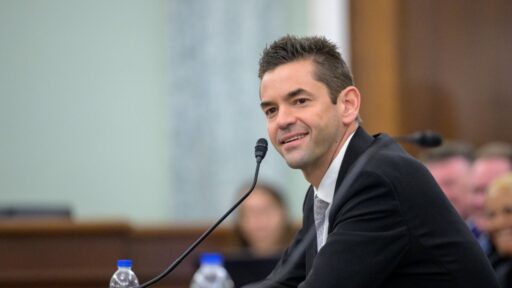
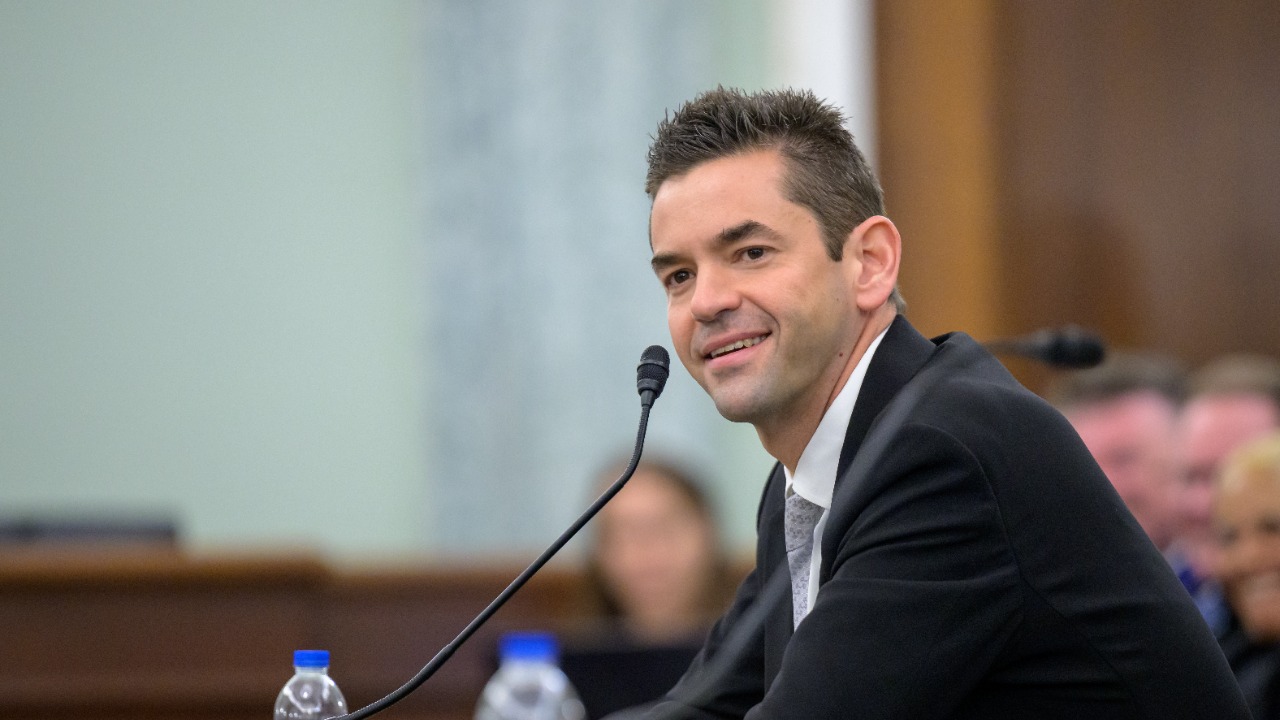
The new administrator arrives with a background steeped in space policy and federal program management, experience that helped position this appointee as a consensus choice for a politically sensitive role. Before stepping into the top job at NASA, the administrator worked closely with national space councils, budget offices, or congressional committees that shape the agency’s mandate, building a reputation as someone who understands both the technical ambitions of exploration and the fiscal constraints that come with taxpayer funded programs. That history matters for NASA employees who want a leader capable of translating broad presidential directives into workable plans that protect core science and exploration goals.
The confirmation process reflected that blend of expertise and political viability, with Senate hearings focused on how the nominee would handle cost overruns, schedule slips, and the growing role of private companies in low Earth orbit. Key endorsements from lawmakers who oversee space policy, as well as from former NASA officials and industry partners, helped move the appointment forward after the long vacancy. The result is an administrator who enters office with a clear mandate to stabilize the agency’s agenda, but also with heightened expectations that they will quickly address the backlog of decisions that accumulated during the interim period.
Immediate Priorities and Challenges
In early public statements, the new leader has emphasized a short list of immediate priorities, starting with advancing critical milestones in the Artemis program while keeping a tight grip on costs. That includes reaffirming NASA’s commitment to returning astronauts to the lunar surface, supporting development of the Space Launch System and Orion spacecraft, and coordinating with commercial providers that will supply landers and cargo services. At the same time, the administrator has signaled that addressing budget shortfalls and rebalancing the portfolio of science, technology, and exploration missions will be central to any credible plan, since the agency cannot simply add new commitments on top of existing ones without more funding.
Persistent issues from recent fiscal years continue to threaten the viability of some missions, regardless of who occupies the administrator’s office. Flat or declining budgets in real terms have forced NASA to stretch out schedules, defer upgrades, and in some cases consider canceling or descoping projects that no longer fit within the financial envelope. Employees and outside experts are watching closely to see whether the new leadership will confront those trade offs directly, for example by prioritizing a smaller number of flagship missions over a broader but thinner portfolio, or by leaning more heavily on commercial partnerships to reduce costs. Reactions so far suggest a mix of cautious optimism and skepticism, with some seeing the appointment as a chance for a reset and others warning that leadership changes alone cannot fix structural funding gaps.
Broader Implications for NASA’s Trajectory
The appointment also intersects with broader political shifts that shape NASA’s long term trajectory, including the current administration’s evolving view of how space exploration should serve national interests. President Donald Trump has previously framed space as a domain of strategic competition as well as scientific discovery, and that perspective influences how priorities are set between human exploration, Earth observation, planetary defense, and commercial development. The new administrator must navigate those expectations while preserving NASA’s identity as a civilian agency, a balancing act that will affect everything from how the agency communicates its goals to how it structures partnerships with the Department of Defense and other federal entities.
International and commercial relationships add another layer of uncertainty, particularly as geopolitical tensions complicate cooperation with some traditional partners. NASA’s work with the European Space Agency, for example, remains central to several science and exploration missions, while collaborations with companies such as SpaceX underpin crew and cargo access to low Earth orbit and future lunar logistics. The leadership change comes at a moment when those partnerships are both indispensable and politically sensitive, and the way the new administrator manages them will help determine whether NASA can maintain its role as a hub of global space collaboration or is pushed toward a more fragmented, competitive model. For stakeholders across government, industry, and academia, the stakes are high, because the choices made now will shape the agency’s capabilities and credibility for decades to come.