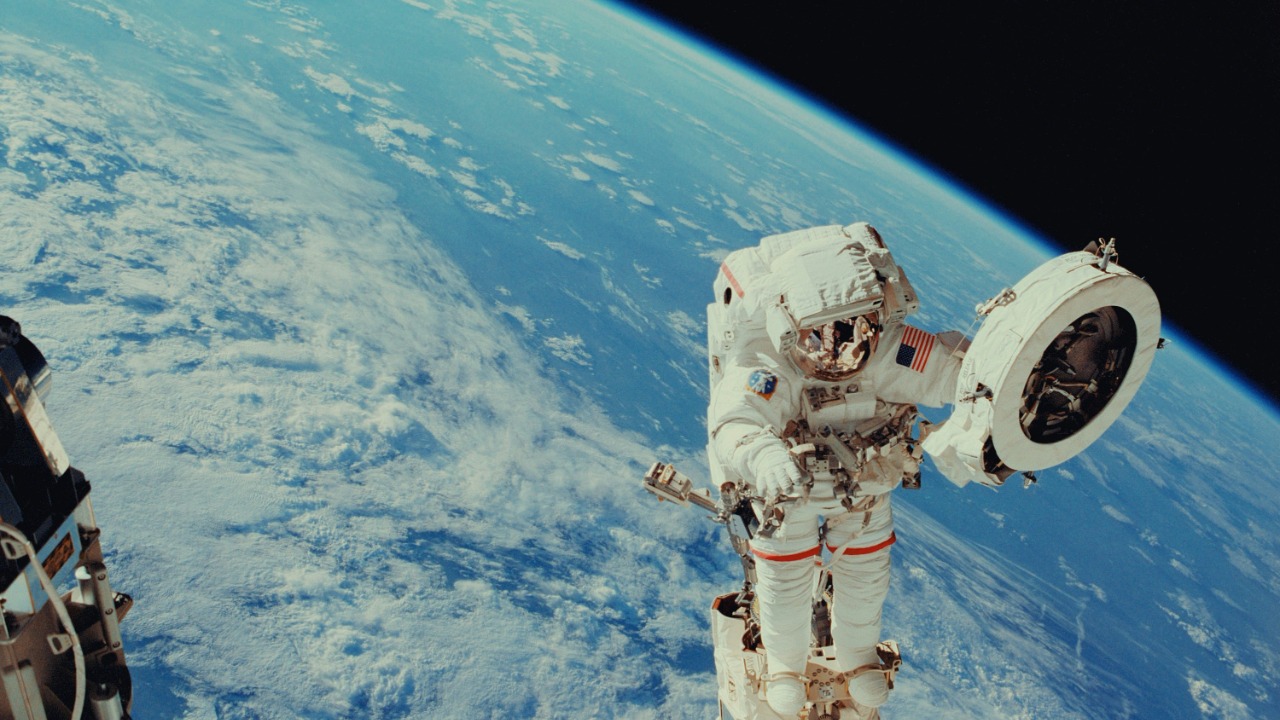

NASA is readying a pair of intricate spacewalks that will both strengthen the International Space Station’s power grid and quietly prepare the outpost for its eventual retirement. The work is framed as routine maintenance, but the combination of high-voltage hardware, aging infrastructure and a concurrent medical evacuation gives these excursions unusually high stakes.
As the crew of Expedition 74 lines up tools and procedures, mission planners are balancing the need to “supercharge” the station’s electrical system with the reality that one astronaut’s undisclosed medical issue has already delayed the first outing and triggered an early ride home for four crew members. The result is a test of how far NASA can push complex upgrades while still keeping risk firmly in check.
Power upgrades on a station racing the clock
The core objective of the upcoming spacewalks is to finish a yearslong campaign to modernize the station’s solar power system, a project that has turned the ISS into a live-in construction site. NASA has described the next excursion as part of a final phase to install hardware that will let new roll-out solar arrays feed more electricity into the grid, effectively a plan to Supercharge Station Power. That means routing new cables, installing modification kits and tying the fresh hardware into an electrical architecture first designed in the 1990s.
Earlier work has already added several ISS Roll-Out Solar Arrays, or IROSAs, and NASA officials have framed the next steps as the kickoff of the final Space Station Power Upgrade. That effort is meant to boost available power for science and operations through the end of the station’s life, while also testing technologies that could migrate to future platforms. The work is unfolding against a firm deadline, since NASA has said the ISS will be guided to a controlled de-orbit around 2030, a timeline also referenced in reporting on how the agency is planning for the station’s retirement in 2030.
Astronauts, hardware and a postponed debut
The human side of the operation centers on veteran spacewalker Mike Fincke and first-time spacewalker Zena Cardman, who were tapped to step outside for what would have been the first ISS excursion of 2026. NASA briefings described how Fincke and Cardman would install a modification kit and route cables on the port-side truss, preparing a power channel for a future solar array. For Fincke, it would be his tenth EVA, while Cardman was slated to make her debut in the suit. NASA had promoted the pair as part of a broader push to highlight how Expedition 74 is juggling spacewalk prep with ongoing research, noting that Expedition 74 is also maintaining life support and emergency components.
Those plans were upended when NASA postponed the first outing, citing a “medical concern with a crew member” and declining to identify who was affected. The agency had already been promoting the January excursions as maintenance spacewalks for Expedition 74, and had detailed that they would be numbered spacewalk 94 and 95. An agency update later confirmed that the first of those, planned for a Thursday in early January, was on hold, with an Update explaining that NASA would still cover the spacewalks live once rescheduled. NASA’s own news release, which had previewed coverage of US spacewalks 94 and 95, later carried an Editor’s note confirming the postponement.
Medical evacuation raises the stakes
The medical issue did not just delay work outside the station, it also triggered the first dedicated medical evacuation in the history of the orbiting complex. NASA has said it will return four astronauts to Earth earlier than planned because of a “medical situation” involving one crew member, while stressing that it is not an emergency de-orbit and that the station remains safe and stable, a point underscored in coverage of NASA’s decision. Separate reporting noted that the agency has not identified which astronaut is affected, even as it confirmed that the crew launched from NASA Kennedy Space Center on a SpaceX Dragon spacecraft atop a Falcon rocket. Another account, by Matthew Glasser and Briana Alvarado, emphasized that the agency is keeping medical details private while coordinating closely with recovery teams on the ground.
NASA first acknowledged the problem when it canceled the initial spacewalk, then followed up with word that the mission would end about a month early, a sequence described in detail in coverage of how NASA first acknowledged what it called a “medical concern”. The agency has also been weighing how the early return affects near-term operations, including the timing of the delayed spacewalks, a calculus that has been described as NASA weighs early return of the ISS crew. Even as officials juggle those constraints, they continue to promote the broader campaign of Astronauts Prepare for Extravehicular Mission to Upgrade Solar Power Systems on the ISS.
Balancing risk, science and a public audience
Even with the medical uncertainty, NASA is leaning into public engagement around the spacewalks, reflecting how central the ISS remains to the agency’s identity. Social media teasers have billed the outings as Spacewalks Incoming for the New Year, promising live coverage as In January NASA astronauts step outside the International Space Station. One preview invited viewers to watch “On Thursday” as a pair of astronauts venture out to prepare for future roll-out arrays, underscoring that the excursions are not only about keeping the lights on today but also about getting the station ready for its controlled end-of-life, a theme echoed in coverage urging audiences to watch live as NASA astronauts conduct spacewalk to prep the ISS for its demise.
Behind the scenes, the agency has been methodically setting expectations. A broad NASA news release laid out how astronauts would conduct a series of January spacewalks and how the agency would brief the public, while a separate explainer walked through What viewers needed to know about the first ISS spacewalk of 2026. Another preview framed the January outings as the first two ISS spacewalks of the year, explaining NASA’s plan for the ISS and highlighting that the events would be covered live. A separate explainer on the first two ISS spacewalks of 2026 spelled out When they would take place, noting that Two outings were set for a Thursday and the following week. For viewers, the message is clear: even as a medical situation forces NASA to reshuffle, the agency still intends to put on a carefully choreographed show of orbital construction, one that reveals how much work remains to keep the station powered right up to its final plunge.