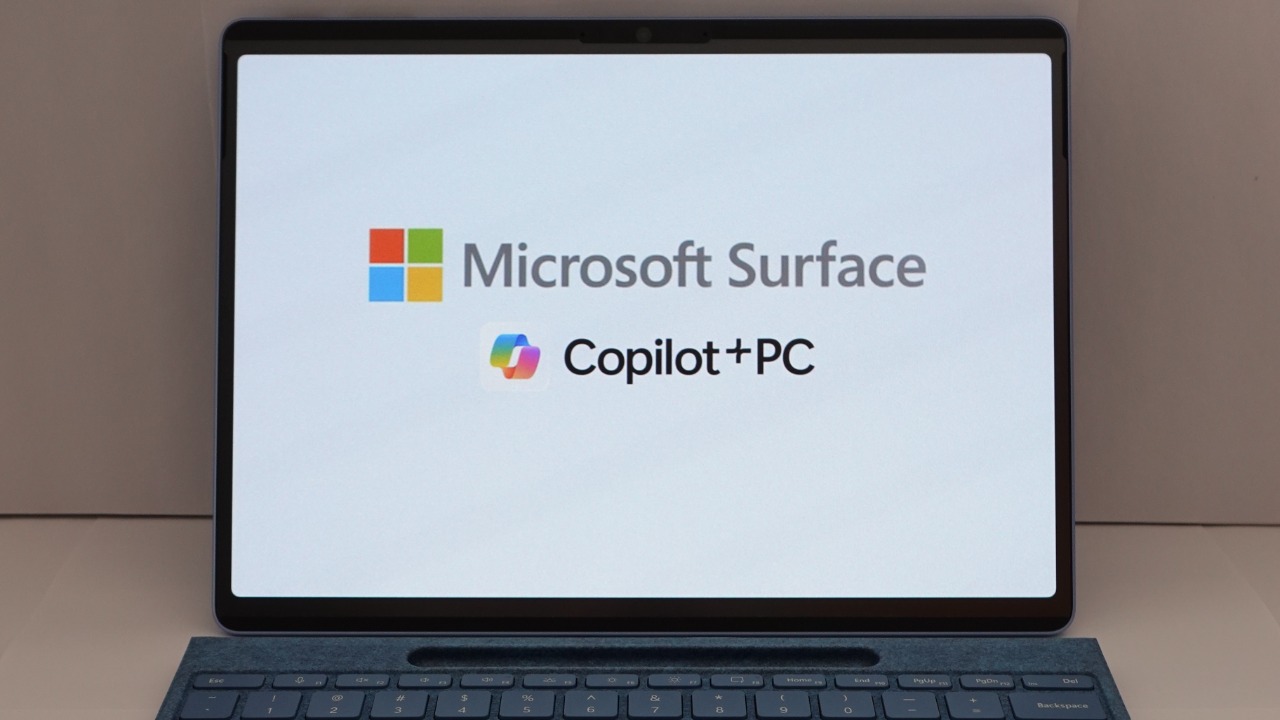

Microsoft’s Copilot+ AI PC plan launched with high expectations for on-device AI capabilities but ultimately underperformed in market adoption because of a mix of hardware and software hurdles. Even as the first wave of devices struggled to win over buyers, the initiative advanced industry standards for AI integration in personal computing and set the stage for future innovations from Microsoft and its partners.
By pushing dedicated neural processing units into mainstream laptops and tying Windows features directly to that silicon, Copilot+ PCs signaled how central AI workloads would become to everyday computing. The first generation did not deliver the breakout moment Microsoft hoped for, yet it still shifted how chipmakers, OEMs and software developers think about performance, battery life and privacy in an AI-first PC era.
The Ambitious Launch of Copilot+ PCs
When Microsoft unveiled Copilot+ PCs in mid-2024, the company framed them as the start of the “era of AI PCs,” a new class of Windows machines built around Qualcomm’s Snapdragon X Elite processors and their dedicated NPUs for AI tasks. The pitch was that these ARM-based systems could finally compete with Apple’s M-series chips on performance per watt, while running Windows and its ecosystem of productivity and creative tools. Microsoft positioned Copilot+ as a premium tier, promising that only devices with sufficiently powerful NPUs would qualify, and it lined up major OEMs including Dell, HP, Lenovo and Samsung to ship laptops that met those requirements.
At launch, Microsoft highlighted a slate of AI features that would run locally on the NPU, including Live Captions for real-time transcription and translation, Cocreator in Paint for image generation and editing, and the now-scrapped Recall tool that was designed to index a continuous stream of screenshots so users could instantly search their past activity. The company described these capabilities as proof that AI could be woven into the operating system itself rather than bolted on as cloud-only services, and it argued that on-device processing would improve responsiveness and privacy while reducing dependence on data centers. In that framing, Copilot+ PCs were not just new laptops, they were a reference design for how Windows would evolve around AI.
Early Challenges and Compatibility Issues
The ambitious vision ran into friction almost immediately, starting with software support for the ARM-based Snapdragon X Elite platform. In June 2024, Adobe signaled that its flagship creative applications, including Photoshop and Premiere Pro, would not be fully optimized for ARM-based Windows until 2025, a delay that sharply limited creative workflows on Copilot+ hardware. For photographers, video editors and designers who rely on those tools, the message was clear: buying into the first wave of Copilot+ PCs meant accepting compromises on the apps that define their daily work, which undercut Microsoft’s attempt to position these machines as no-compromise productivity systems.
Users who did take the plunge reported that Prism, Microsoft’s x86-to-ARM translation layer, struggled to deliver seamless performance for legacy software that had not yet been recompiled for ARM. While some lighter applications ran acceptably, heavier workloads such as complex Excel models, older CAD tools or games often exposed the overhead of emulation, with stutters and battery drain that contradicted the marketing around efficiency and smoothness. At the same time, privacy advocates raised alarms about Recall, arguing that a feature that continuously captured and indexed screenshots created a rich target for attackers and a risk of inadvertent data exposure, and Microsoft ultimately paused the rollout of Recall shortly after launch, acknowledging that the implementation did not yet meet the security expectations users had for sensitive information.
Market Performance and Sales Slump
The combination of limited app optimization, uneven emulation and controversy around Recall translated into sluggish demand once Copilot+ PCs actually hit store shelves. Industry analysts estimated that Copilot+ machines captured less than 2 percent of the Windows PC market in the first few months after launch, a figure that fell far short of the momentum Microsoft had hoped to build heading into the broader back-to-school and holiday cycles. That low adoption rate signaled to OEMs and retailers that early adopters were more cautious than expected about switching architectures, particularly when the benefits of on-device AI were still emerging and many of the most compelling use cases remained tied to cloud-based Copilot services.
Performance perceptions also played a role in the sales slump, as real-world benchmarks of Qualcomm’s Snapdragon X Elite often fell short of the most optimistic expectations in multi-threaded tasks compared with contemporary Intel and AMD alternatives. While the ARM chips delivered strong battery life and competitive single-threaded performance in some scenarios, power users who ran heavy multitasking or relied on CPU-intensive workflows saw fewer gains than the marketing implied, which made it harder to justify a platform shift that also carried compatibility trade-offs. In response to the tepid demand, OEMs such as Lenovo and Dell quietly scaled back promotions and inventory for Copilot+ models, reallocating marketing budgets toward more conventional Intel and AMD-based laptops while they waited for clearer signals that customers were ready to embrace ARM-first Windows machines.
Lasting Industry Impact Despite the Fizzle
Even with modest sales, the Copilot+ initiative had an outsized influence on the broader PC ecosystem by accelerating the adoption of NPUs as a standard component in new processors. Microsoft’s decision to tie certain Windows features and branding to a minimum level of NPU performance pushed chipmakers to prioritize AI acceleration in their roadmaps, and it helped shape the designs of Intel’s Lunar Lake and AMD’s Ryzen AI chips that were announced for late 2024. Those x86 platforms, which integrate dedicated AI engines alongside CPU and GPU cores, reflect a consensus that future laptops will need to handle sustained on-device inference for tasks like background transcription, image enhancement and personal assistants without overwhelming the main processor or draining the battery.
Strategically, Microsoft gained leverage and experience from its close collaboration with Qualcomm, even if the first generation of Copilot+ PCs did not dominate the market. The work required to bring Windows, Office and key system components to ARM in a more robust way laid the groundwork for deeper ARM optimization in future releases, which could eventually reduce the performance gap between native and emulated apps and make ARM-based Windows laptops more viable at scale. At the same time, some of the benefits that Copilot+ helped popularize, such as improved battery life and AI-driven features like smarter background blur in video calls or local language models for text suggestions, have started to appear in non-Copilot+ devices, signaling a broader push toward AI hardware standards that extends beyond the specific branding of the first wave.
How Copilot+ Reframed the AI PC Conversation
By setting a high bar for what counted as an AI PC, Microsoft effectively reframed the competitive landscape for laptops, even as its own Copilot+ lineup struggled to gain share. The company’s messaging around minimum NPU performance, on-device inference and integrated AI experiences forced rivals to articulate their own AI strategies more clearly, which is visible in how quickly Intel, AMD and major OEMs began highlighting TOPS figures and AI-specific benchmarks in their product launches. That shift in marketing language reflects a deeper change in how performance is evaluated, with buyers now encouraged to think not only about CPU and GPU speeds but also about how well a system can handle continuous AI workloads like summarizing meetings, enhancing photos or running local copilots without constant cloud access.
For Microsoft, the Copilot+ chapter also served as a public test of how far users are willing to go in trading convenience for privacy when AI features become more pervasive. The backlash to Recall, and the company’s decision to pause and rethink the feature, underscored that even technically impressive capabilities can backfire if they are perceived as intrusive or poorly secured. In that sense, the experience has likely informed how Microsoft designs and communicates future AI tools, pushing it to foreground data protection, user control and clear opt-in mechanisms. The first generation of Copilot+ PCs may have fizzled in pure sales terms, but as detailed in the reporting on Microsoft’s Copilot+ AI PC plan and its aftermath, the initiative still served a purpose by forcing the industry to confront the practical realities of bringing AI deeper into personal computing.