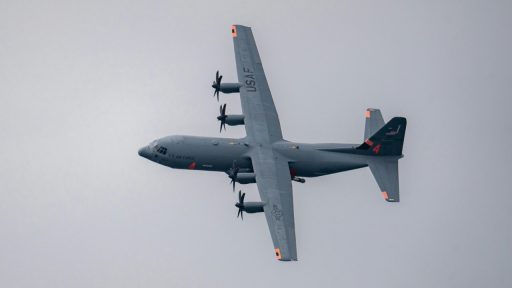
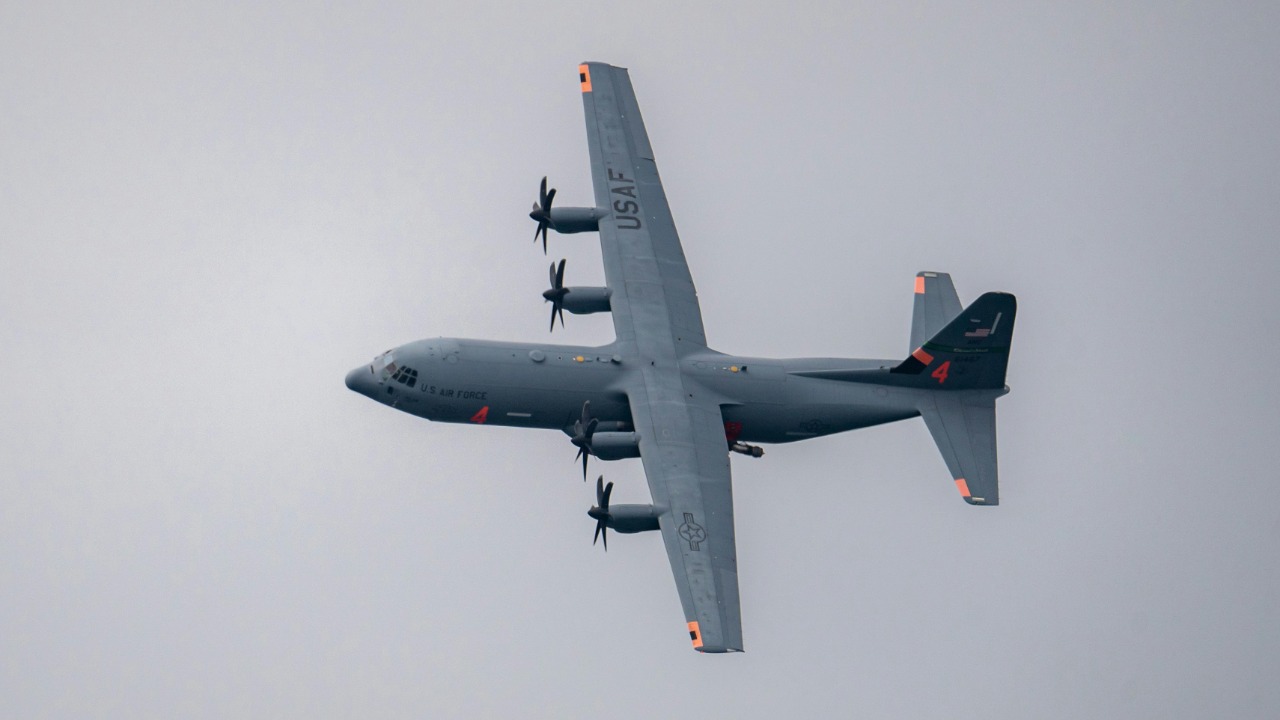

Mexico is moving to the front of the line in Latin American airlift, becoming the first operator in the region to commit to the C-130J Super Hercules and signaling a generational upgrade for its tactical transport fleet. The decision positions the Fuerza Aérea Mexicana to replace aging Hercules variants with a modern platform that is already a workhorse for air forces in North America, Europe, the Middle East, and the Indo-Pacific. It also underscores how Mexico is recalibrating its defense and disaster-response capabilities at a moment when regional demand for strategic airlift is rising.
By opting for the C-130J-30 configuration, Mexico is betting on a proven aircraft that blends higher payload, longer range, and digital avionics with the rugged short-field performance that has defined the Hercules family for decades. The move carries industrial and geopolitical weight as well, deepening ties with Lockheed Martin and setting a benchmark that other Latin American air arms will now measure themselves against.
How Mexico became Latin America’s first C-130J operator
Mexico’s path to the C-130J has been years in the making, but the strategic outcome is clear: it will be the first Latin American country to field the latest-generation Super Hercules. Reporting on the deal notes that Mexico will be the first Latin American operator of the C-130J Super Hercules, with deliveries of stretched C-130J-30 aircraft planned toward the end of the decade. That status gives the country a symbolic first-mover advantage in the region’s modernization race and reflects a deliberate choice to align with the global standard for tactical airlift.
The Fuerza Aérea Mexicana, often referenced as FAM, publicly confirmed the acquisition as part of a broader effort to renew its transport fleet. Company statements from MARIETTA describe the C-130J-30 as the backbone of air mobility worldwide, and Mexico’s selection effectively brings that backbone into Latin America for the first time. In practical terms, it means Mexican crews will join a global community of C-130J operators that already includes the United States, several NATO members, and key partners in the Indo-Pacific.
The deal: numbers, timelines, and industrial stakes
While officials have not disclosed the exact fleet size, multiple reports agree that Mexico has opted to acquire an unspecified number of C-130J-30 Super Hercules tactical transports from Lockheed Martin. The aircraft are scheduled for delivery around November 2028, a timeline that gives the FAM several years to prepare infrastructure, training pipelines, and logistics support. For Lockheed Martin, the contract adds another export customer to the C-130J ledger and extends the production horizon for a program that has already logged hundreds of deliveries.
The purchase did not materialize overnight. The Mexican Secretariat of National Defense, known as Sedena, evaluated the possibility of acquiring two aircraft in 2023 before ultimately reducing the initial investment and finalizing a smaller package the following year. That phased approach suggests Mexico is balancing fiscal constraints with the need to lock in production slots. It also aligns with reporting that the Mexican contract is the first of two international C-130J deals that closed out 2025, with a second, still undisclosed customer following behind.
Why the C-130J beat the Embraer C-390
Mexico’s choice of the Super Hercules was not automatic, and it carried regional industrial implications. The FAM ran a competition that pitted the C-130J against the Embraer C-390, a Brazilian-built jet transport that has been gaining traction in Europe. In the end, Mexico selected the Lockheed Martin design, a decision described as a reversal of a recent trend in which the C-390 had been winning new customers. Reporting on the competition notes that Mexico has selected the Lockheed Martin C-130J Hercules over the Embraer C-390, underscoring the enduring appeal of the four-engine turboprop.
From a capability standpoint, the decision reflects a preference for continuity and interoperability. Mexico has operated earlier Hercules variants for decades, and analysts note that the C-130J offers a smoother transition in terms of pilot training, maintenance culture, and mission profiles than a shift to a new jet platform would require. Lockheed Martin’s own description of the C-130J-30 as a global air mobility backbone, highlighted in its Releases from MARIETTA, reinforces that narrative. For Mexico, choosing the same aircraft flown by major allies simplifies coalition operations and access to spares, simulators, and upgrade paths.
Modernizing a legacy Hercules fleet
Mexico’s embrace of the C-130J is best understood as the next chapter in a long Hercules story. The country has operated Hercules aircraft for years, using them for everything from troop transport to humanitarian relief, and reporting indicates those legacy airframes are expected to remain in service until 2045. One analysis notes that Mexico has operated Hercules aircraft for decades and plans to keep them flying alongside the new C-130J fleet, creating a mixed inventory that will gradually tilt toward the newer model.
That dual-fleet approach is not unusual, but it does require careful planning. The FAM will need to manage two generations of Hercules simultaneously, with older aircraft likely handling lower-tempo missions while the C-130J-30s take on higher-demand tasks that benefit from improved performance and reliability. Industry reporting notes that the new aircraft will offer significantly better availability and lower operating costs compared with Mexico’s existing fleet, a point highlighted in coverage of how By Ryan Finnerty described the performance gap. Over time, that efficiency dividend could free up budget for additional aircraft or mission systems.
Regional and global implications of Mexico’s choice
Mexico’s move carries weight beyond its own borders. By becoming the first Latin American nation to operate the C-130J, it sets a reference point for neighbors that are weighing how to replace aging transports of their own. One report notes that Jan marked the public confirmation that Mexico would be the first Latin American nation to operate the C-130J Super Hercules, a milestone that could influence procurement debates in countries like Chile, Peru, and Colombia. For regional disaster response, the presence of a modern, high-capacity airlifter in Mexico also strengthens the collective ability to move relief supplies quickly after hurricanes, earthquakes, or wildfires.
Globally, the contract reinforces the C-130J’s status as a default choice for tactical airlift and deepens Mexico’s industrial and political ties with the United States. One analysis points out that the purchase is the first of two international C-130J contracts closing out 2025, with the second customer yet to be disclosed, underscoring how the program continues to attract new operators. Another report highlights that Lockheed Martin has started 2026 by adding two international C-130J operators, including its first Latin American customer, which cements the aircraft’s role as a global standard.