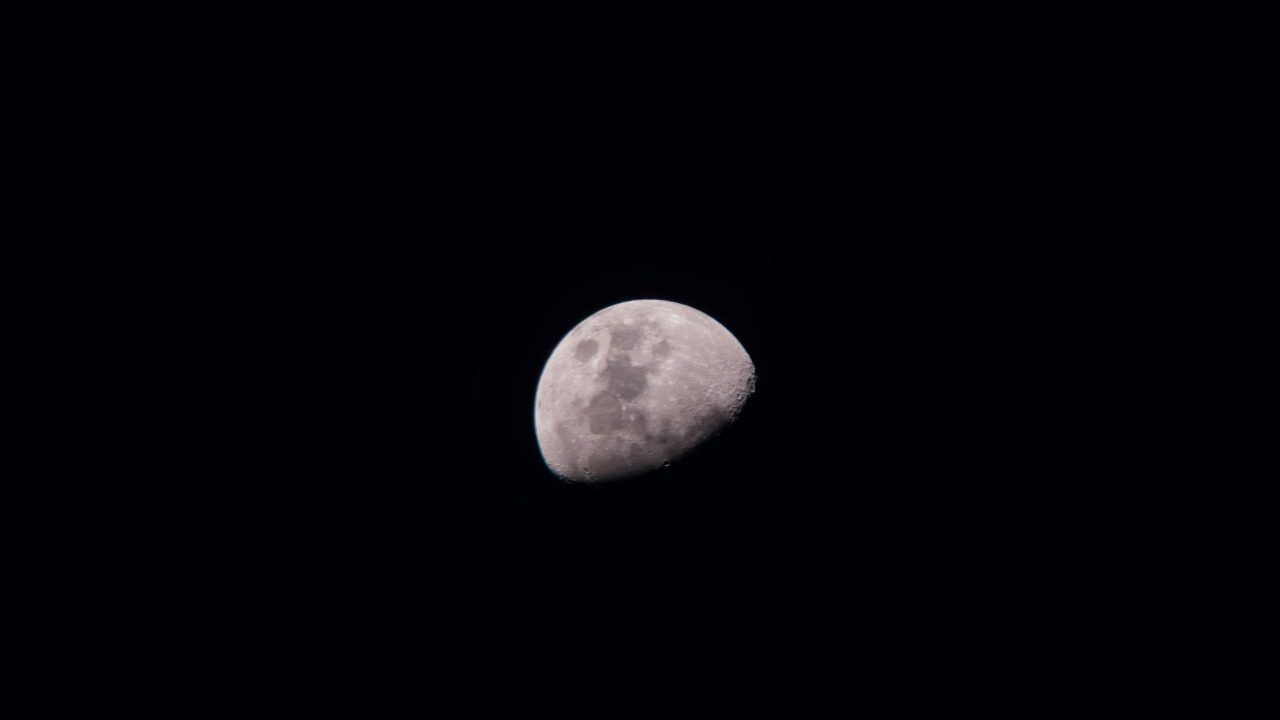

The moon’s phases in December 2025 offer a dynamic view of the lunar cycle, with distinct appearances drawing attention from skywatchers worldwide. On December 11, 2025, the current phase reflects ongoing progression, building directly on the developments from December 10, 2025, while earlier shifts on December 8 and December 6 highlight how quickly the 2025 lunar timeline is changing.
Moon Phase on December 6, 2025
Early in the month, the moon phase on December 6, 2025, sets the baseline for how the rest of December’s lunar evolution unfolds. Reporting on what the moon will look like on December 6 focuses on a specific appearance that marks the transition away from the darker, less visible part of the cycle and toward a more illuminated disk. I interpret this configuration as the point where observers begin to notice a clearer boundary between the sunlit and shadowed portions of the lunar surface, a visual cue that the moon is moving into a more prominent role in the evening sky. For anyone tracking the 2025 cycle, this date functions as a practical starting line, the moment when the moon’s changing shape becomes obvious enough to follow night by night.
Visibility on December 6 is shaped by both the phase itself and the timing of moonrise and moonset, which determine how long the illuminated portion is available to the naked eye. The description of the December 6 configuration emphasizes that the moon is bright enough to stand out against urban light pollution yet still subtle enough that darker maria and surface features remain easy to pick out through binoculars or a small backyard telescope. For photographers and casual stargazers, that balance matters, because it affects exposure settings, the best window for capturing detail, and whether the moon will dominate the sky or share it with brighter stars and planets. I see this interplay of brightness and contrast as the main reason December 6 becomes a reference point for the rest of the month’s observing plans, especially for people scheduling night hikes, astrophotography sessions, or public outreach events at local observatories.
Shift to December 8, 2025
Two days later, the moon’s appearance on December 8, 2025, reflects a clear step forward in the cycle, with a noticeably larger illuminated fraction and a more assertive presence in the evening sky. Coverage of what the moon will look like on December 8 underscores how the bright portion has expanded compared with December 6, giving the lunar disk a more defined, almost sculpted edge where light meets shadow. I read this as a sign that the moon is moving deeper into the waxing part of its orbit, when each night brings a measurable increase in brightness and surface area on display. For observers who started paying attention on December 6, the December 8 view confirms that the cycle is progressing on schedule, reinforcing the predictable rhythm that underpins lunar calendars, tide forecasts, and cultural observances tied to specific phases.
The differences from December 6 are not just aesthetic; they carry practical implications for how people experience the night. With more of the surface illuminated on December 8, the moon’s glow can begin to wash out fainter stars, subtly reshaping what constellations are easy to see and how dark-sky parks manage visitor expectations. I find that this shift matters for astrophotographers who want to capture the Milky Way or dim deep-sky objects, since the brighter moon can complicate long exposures and force a choice between lunar close-ups and wide-field shots of the rest of the sky. At the same time, the enhanced brightness makes the moon more accessible to casual observers who might not have noticed the subtler crescent earlier in the month, broadening the audience for the 2025 lunar cycle and encouraging more people to step outside and look up.
Progression on December 10, 2025
By the time the calendar reaches December 10, 2025, the moon has advanced into a more mature phase that signals a mid-month turning point. The report on today’s moon phase on December 10, 2025 describes a configuration that builds directly on the growth seen on December 8, with the illuminated portion now dominating the disk and the line between light and dark shifting closer to the lunar limb. I interpret this as evidence that the moon is approaching the brightest stretch of its cycle, when its presence becomes a defining feature of the night sky rather than a subtle accent. For people tracking the 2025 lunar phases, this date marks the moment when the month’s earlier changes coalesce into a clearly recognizable shape, making it easier to anticipate how the moon will look in the days that follow.
The December 10 phase also alters viewing conditions compared with earlier in the month, especially for anyone planning outdoor activities that depend on natural light. With a larger illuminated area, the moon can cast noticeable shadows, brighten snow or water surfaces, and extend the usable hours for nighttime navigation without artificial lighting. I see this as a double-edged development: it benefits hikers, boaters, and wildlife researchers who rely on moonlight, but it complicates work for astronomers and astrophotographers who need darker skies to study faint galaxies or nebulae. The progression from December 8 to December 10 therefore has stakes beyond aesthetics, influencing how observatories schedule telescope time, how educators plan public star parties, and how city dwellers gauge the impact of combined moonlight and urban skyglow on their ability to see the stars.
Latest Update: December 11, 2025
On December 11, 2025, the latest update to the lunar cycle shows a phase that continues the brightening trend while subtly shifting the balance of light and shadow across the surface. The detailed look at today’s moon phase on December 11, 2025 frames this configuration as a direct continuation of the pattern established on December 10, with the illuminated portion edging closer to its monthly peak. I understand this as a sign that the moon is entering a period when its visual impact is at its strongest, dominating the sky for much of the night and becoming the primary target for both casual and dedicated observers. For anyone following the 2025 timeline, the December 11 phase confirms that the cycle is moving steadily toward its next major milestone, reinforcing the sense of continuity that connects each night’s view to the broader monthly arc.
Recent changes from the December 10 phase translate into concrete differences for people watching the sky on December 11, even if the shift appears subtle at first glance. The slightly larger illuminated area can increase overall sky brightness, further reducing the visibility of faint stars while enhancing the contrast along the lunar terminator where craters and mountain ranges cast long shadows. I see this as an opportunity for observers to focus on high-resolution views of the lunar surface, using the strong side lighting to pick out fine details that are harder to see at other times in the cycle. At the same time, the intensified glow has implications for light-sensitive wildlife, night-shift workers, and communities that monitor how natural cycles interact with artificial lighting, making the December 11 phase a meaningful data point in broader conversations about how the 2025 lunar pattern intersects with life on Earth.