
Libyan United Airlines is actively seeking Airbus A320 aircraft to bolster its fleet in preparation for a planned launch in the first quarter of 2026, marking a significant step toward resuming commercial aviation operations in Libya. Backed by Libyan investors, the new carrier aims to connect major domestic and regional routes from hubs like Tripoli and Benghazi, using a focused network strategy to rebuild confidence in the country’s air transport system. The pursuit of A320s underscores a commitment to efficient, narrow-body jets that are suited to short- and medium-haul flights in a post-conflict market where reliability, cost control, and regulatory compliance are central to survival.
Airline Formation and Objectives
Libyan business groups have formed Libyan United Airlines as a new private carrier with the explicit aim of reviving the country’s aviation sector after years of disruption. The company is positioning itself as a commercially driven alternative to legacy state operators, with a structure that gives domestic investors direct influence over fleet planning, route selection, and service standards. By anchoring operations in Tripoli and Benghazi, the airline is designed to reconnect political and economic centers inside Libya while also projecting a more stable image to regional partners that have watched the country’s air links deteriorate.
The primary goals set out for Libyan United Airlines focus on serving underserved routes within Libya and to neighboring countries, tying air connectivity directly to economic recovery. Management has identified gaps in regular, reliable links between Libyan cities and key regional hubs such as Cairo and Istanbul, arguing that business travel, medical tourism, and migrant worker flows all depend on predictable schedules and modern aircraft. Initial fleet requirements are framed around modern, fuel-efficient jets that can meet international safety and environmental standards, a prerequisite for any future effort to regain access to foreign markets that have restricted Libyan-registered aircraft in recent years.
Aircraft Acquisition Strategy
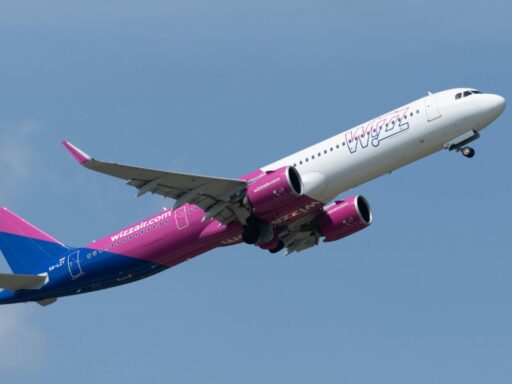
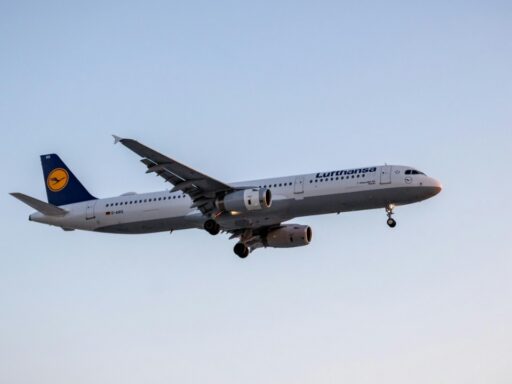
The company’s decision to target Airbus A320s reflects a deliberate strategy to use a single, proven narrow-body type that is widely supported across the Middle East and North Africa. Executives see the A320 family as a workhorse platform that combines range suitable for regional operations with cabin flexibility for both high-density domestic flights and more premium-focused international services. By standardizing on the A320, Libyan United Airlines expects to simplify pilot training, maintenance planning, and spare parts logistics, which is particularly important in a market where supply chains have been fragile and technical expertise has been scattered.
According to the plan outlined by the new carrier, negotiations are underway with Airbus and leasing companies to secure between four and six A320 family aircraft ahead of the 2026 launch timeline. The company is exploring a mix of direct purchase and operating leases in order to balance capital expenditure with the need to move quickly into service, and it has signaled that delivery schedules may be accelerated compared with earlier internal projections if suitable airframes become available. For stakeholders in Libya’s aviation ecosystem, the prospect of several A320s arriving in relatively rapid succession suggests a more credible path to sustained operations, since a fleet of four to six aircraft can support a meaningful schedule while still allowing for maintenance downtime and operational resilience.
Launch Timeline and Preparations
Libyan United Airlines has set a targeted first quarter of 2026 launch for its initial services, tying that date to a detailed program of crew training, regulatory approvals, and airport readiness. The airline’s training roadmap includes type-rating pilots on the A320, building up a cadre of cabin crew familiar with international safety and service procedures, and re-establishing ground handling competencies that have atrophied during years of limited activity. By aligning the training schedule with aircraft delivery milestones, the company aims to avoid the costly mismatch that can occur when crews are ready before jets arrive or, conversely, when aircraft sit idle waiting for certified staff.
Planned inaugural routes are expected to link Tripoli International Airport with regional destinations such as Cairo and Istanbul, which are critical gateways for Libyan travelers seeking medical care, education, and business opportunities. The airline is also preparing to connect Benghazi with the same regional hubs, creating a dual-hub model that can serve both eastern and western Libya without forcing passengers to transit through a single congested airport. Regulatory hurdles remain significant, so Libyan United Airlines is working with national aviation authorities to ensure compliance with safety oversight, security protocols, and airspace management rules, recognizing that any lapse could jeopardize the entire launch timeline and undermine efforts to restore international confidence in Libyan carriers.
Impact on Libyan Aviation Market
The entry of Libyan United Airlines has the potential to reshape the Libyan aviation market by introducing a privately backed competitor to state carriers that have dominated the sector. A fleet of A320s operating on a focused network of domestic and regional routes could stimulate competition on fares and schedules, particularly on trunk routes between Tripoli, Benghazi, and key foreign cities. For the local workforce, the build-up to a 2026 launch implies new jobs for pilots, cabin crew, engineers, and airport staff, which in turn supports ancillary sectors such as catering, fuel supply, and tourism services that depend on predictable air traffic.
Passengers stand to benefit from increased flight options and potentially more consistent service standards, especially if Libyan United Airlines can leverage the A320’s operating economics to offer competitive pricing without sacrificing reliability. In a market where travelers have often relied on indirect routings or foreign carriers to reach nearby destinations, a Libyan operator with modern aircraft could reduce travel times and costs, making it easier for businesses to trade and for families to maintain cross-border ties. At a regional level, enhanced connectivity via an A320-equipped network would support trade links between Libya and its neighbors, reinforcing the country’s role as an energy producer and emerging reconstruction market, while also signaling that private capital is once again willing to invest in long-term aviation infrastructure inside Libya.