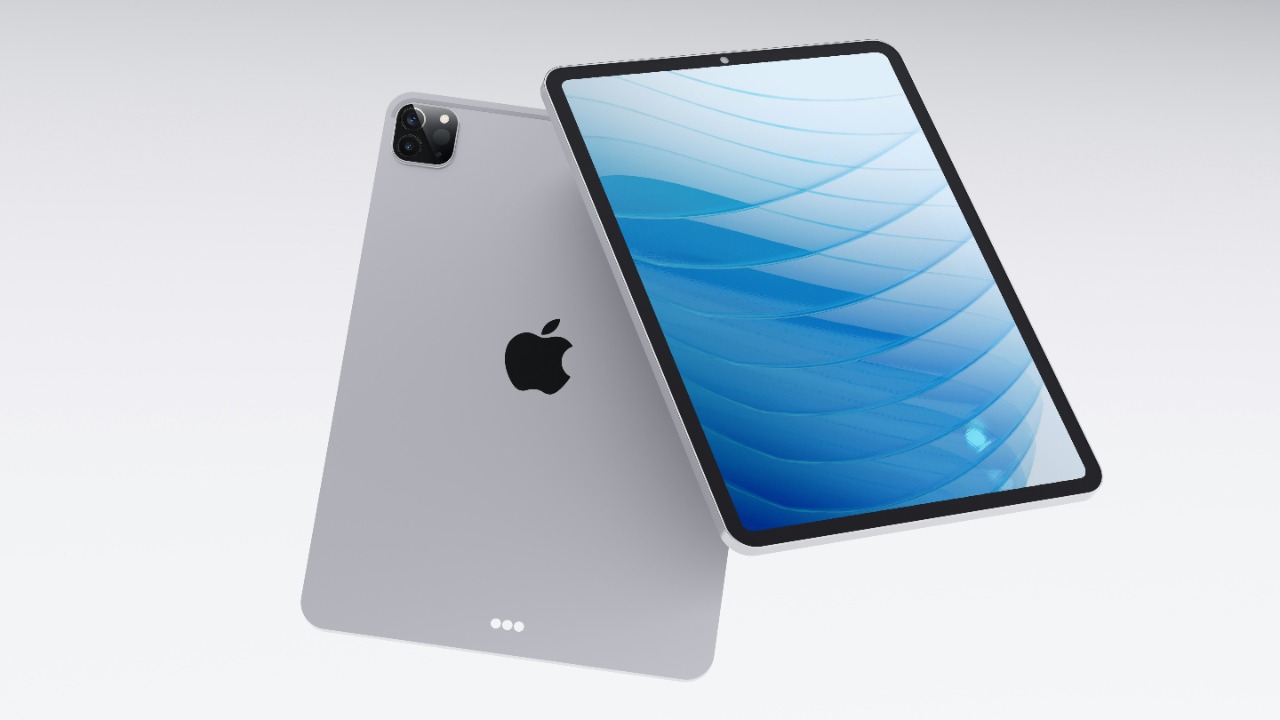

Apple is reportedly planning to include the A19 chip, originally destined for the iPhone 17, in the upcoming iPad 12, marking a significant departure from the company’s longstanding practice of reserving new processors for iPhones before iPads. If the iPad 12 does ship with the same next-generation silicon, the move could accelerate iPad performance upgrades and reshape how Apple prioritizes its hardware ecosystem.
Apple’s Historical Chip Allocation Approach
For more than a decade, Apple has treated the iPhone as the launchpad for each new generation of A-series silicon, with chips like the A17 Pro debuting in the iPhone 15 line before any adaptation for tablets. That pattern has reinforced the idea that the iPhone is the company’s flagship computing device, while iPads typically inherit those processors later in their lifecycle or receive slightly altered versions tuned for larger displays and different thermal envelopes. In practice, the iPhone has consistently been the first place customers experience Apple’s latest CPU and GPU architectures, neural engines, and efficiency gains.
Recent iPad generations have underlined this hierarchy by adopting chips that first appeared in earlier iPhone models, such as iPads using the A16 after its initial run in the iPhone 14 family. By positioning iPads with slightly older or modified silicon, Apple has maintained clear separation between product tiers, reserving the most cutting-edge performance for the iPhone while still keeping tablets comfortably ahead of many competing Android devices. That approach has shaped buying decisions, encouraging users who want the very latest A-series capabilities to prioritize new iPhones while viewing iPads as powerful but secondary companions.
Details of the iPad 12 A19 Integration Rumor
The reported shift centers on a claim that the next-generation iPad 12 will adopt the full A19 chip without modifications, rather than a downclocked or repackaged variant. According to this account, the A19 is currently positioned as the core processor for the upcoming iPhone 17, yet Apple is now said to be planning a parallel rollout that gives the iPad 12 access to the same architecture at launch. If accurate, that would mean iPad buyers no longer have to wait a cycle or two to experience Apple’s latest A-series design, narrowing the performance gap that has traditionally separated phones and tablets.
Reporting around the rumor also indicates that Apple is considering a launch window in which the iPad 12 could arrive alongside, or potentially even slightly ahead of, the iPhone 17 that is expected to feature the same A19 chip. Analysts cited in the coverage tie this timing to mid-2025 production cycles for the A19, suggesting that Apple’s internal planning now treats the tablet and phone lines as peers for silicon deployment rather than staging them months apart. For consumers and developers, a synchronized or near-synchronized release would signal that the iPad is no longer a second-tier destination for Apple’s most advanced mobile processor technology.
Reasons Behind Breaking the Tradition
Industry analysts quoted in the reporting argue that Apple’s willingness to put the A19 into the iPad 12 reflects intensifying demand for high-performance tablets that can handle AI-heavy and creative workloads. As more users rely on iPads for tasks like 4K video editing in apps such as Final Cut Pro, multi-track audio production in Logic Pro, and on-device machine learning in photo tools, the performance gap between iPhone and iPad silicon has become harder to justify. Giving the iPad 12 the same A19 chip that powers the iPhone 17 would acknowledge that tablets are no longer just consumption devices but primary computers for a growing segment of Apple’s audience.
Supply chain dynamics also appear to be a key factor, with the rumor tying Apple’s decision to TSMC’s capacity to manufacture the A19 on an advanced 2 nm process that can support both iPhone and iPad lines simultaneously. If Apple can secure enough wafers at that node, it reduces the need to stagger chip introductions across product families and allows the company to standardize on a single high-end design for more devices. That strategy would build on Apple’s recent pattern of faster iPad updates, including the way the M4 chip arrived in iPad Pro models ahead of many Mac configurations, signaling a broader convergence in how the company allocates its most advanced silicon.
Implications for Consumers and the Ecosystem
For buyers, an iPad 12 built around the A19 would deliver iPhone-level processing power earlier in the product’s life, with direct benefits for on-device AI, graphics-intensive apps, and multitasking. Developers could target the same neural engine and GPU capabilities across both iPhone 17 and iPad 12, enabling features like real-time language translation, generative image tools, and console-style gaming experiences without maintaining separate performance tiers. That parity would be especially significant for apps that already span devices, such as Adobe Photoshop, LumaFusion, and high-end games that rely on Metal, since they could assume a common baseline of A19 performance on both phone and tablet.
The rumored move also raises questions about how Apple will differentiate the iPhone 17 if the iPad 12 shares its headline A19 chip, potentially shifting emphasis toward design, camera systems, and connectivity rather than raw CPU gains. If iPad buyers can access the same silicon in a larger form factor, some power users might prioritize the tablet for intensive work while treating the iPhone as a communication and imaging device that stands out through features like advanced zoom lenses or satellite capabilities. Over time, that rebalancing could influence upgrade cycles, encouraging customers who care most about performance to refresh their iPads more frequently while stretching iPhone replacements, which would subtly reshape revenue patterns across Apple’s hardware ecosystem.