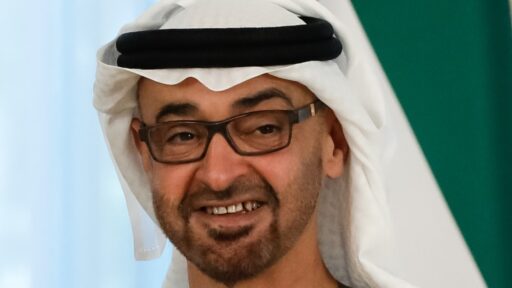
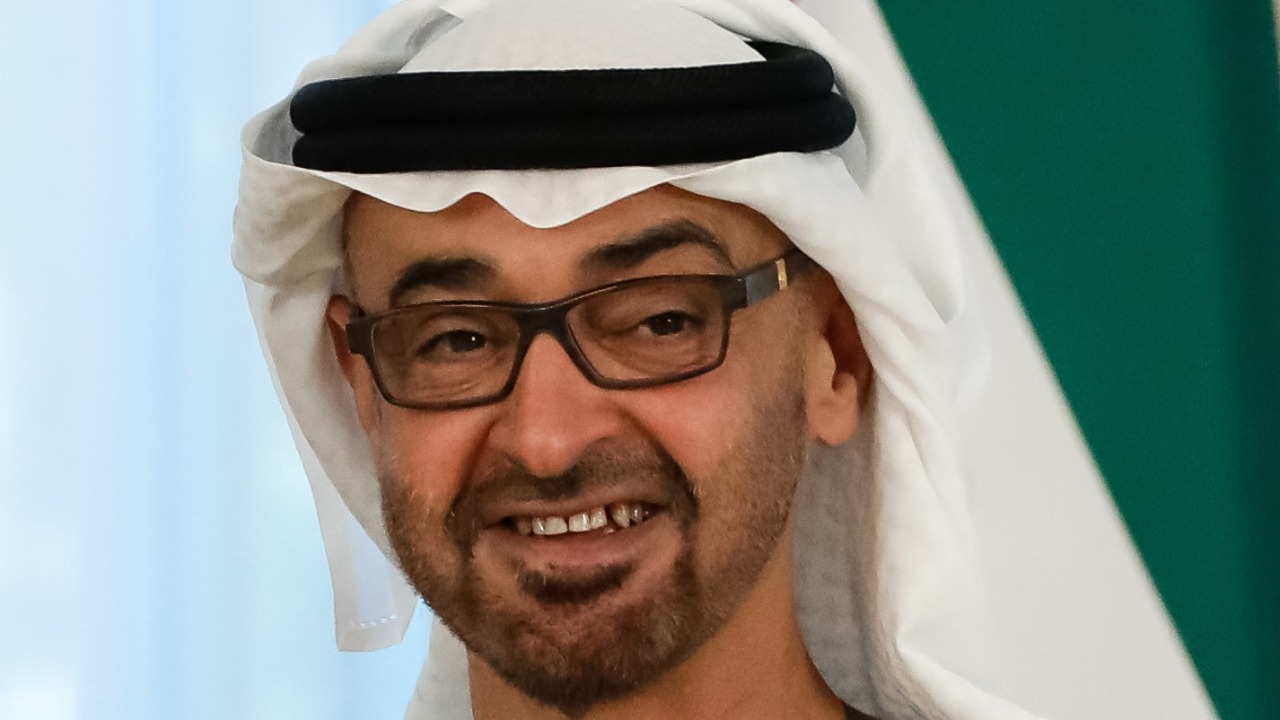

On a brief trip to Pakistan, UAE President Sheikh Mohammed bin Zayed Al Nahyan, widely known as MBZ, arrived accompanied by 12 cargo planes that immediately triggered speculation about what they were carrying and why such a large logistical footprint was needed for a short stay. The visit, which coincided with dozens of cargo flights linked to his entourage, has been tied by recent reporting to falconry hunting activities rather than to a conventional diplomatic or economic agenda. The unusual scale of the air convoy has highlighted how traditional pursuits can shape the choreography of high‑level travel, raising questions about priorities, optics, and the balance between private interests and public diplomacy.
The Arrival and Scale of the Delegation
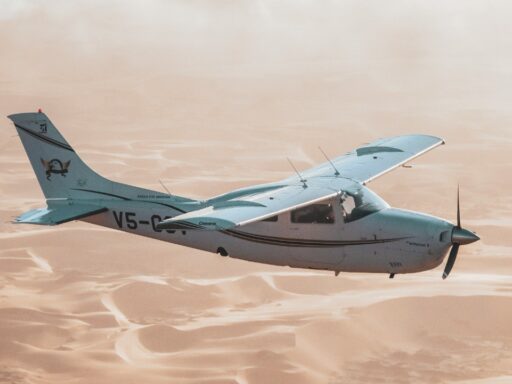
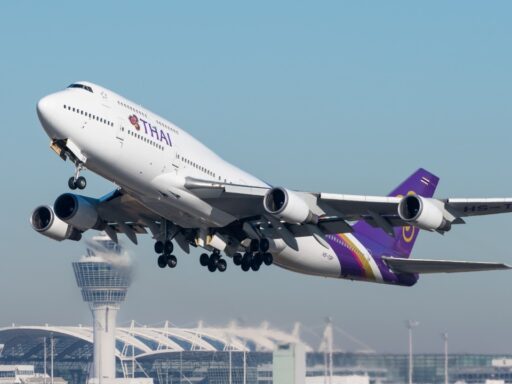
According to detailed accounts of the high‑profile visit, UAE President Sheikh Mohammed bin Zayed Al Nahyan arrived in Pakistan with a delegation that included 12 cargo planes, a figure that stood out even by the standards of royal and presidential travel. Reporting on why UAE President MBZ brought so many cargo planes on his brief trip to Pakistan describes the cargo aircraft as part of a larger convoy that landed alongside his main aircraft, underscoring the logistical ambition behind what was officially framed as a short visit. For Pakistani authorities managing airspace, security, and protocol, the arrival of this many support planes meant treating the trip less like a routine bilateral stopover and more like a complex operation with multiple moving parts and sensitive cargo.
Separate tracking of flight movements noted that dozens of cargo flights coincided with MBZ’s short Pakistan stay, indicating that the 12 planes directly associated with his delegation were part of a broader pattern of inbound and outbound logistics tied to the visit. Coverage that asks why dozens of cargo flights coincided with UAE President Sheikh Mohammed bin Zayed’s short Pakistan visit highlights how this surge in heavy aircraft traffic marked a clear departure from typical state visits, where a single cargo jet or two is more common. For stakeholders in Pakistan, including local communities near airfields and officials responsible for customs and oversight, the scale of the airlift raised expectations that something more than standard diplomatic baggage or protocol vehicles was being transported.
Speculation Surrounding the Cargo Planes
The sheer number of cargo planes prompted immediate questions about why UAE President MBZ needed such extensive logistical support for a brief trip, fueling speculation across social media and in regional media commentary. Observers pointed out that the planes arrived without public disclosure of their contents, and early descriptions of the visit focused on protocol meetings and photo opportunities that did not seem to justify a dozen cargo aircraft. In a political climate where Pakistan’s economic vulnerabilities and search for foreign investment are constant themes, the mystery around the cargo created space for rumors that the flights might be linked to large‑scale aid, cash infusions, or major infrastructure commitments that had not yet been formally announced.
As more details emerged, reports stressed that the arrival of the cargo planes contrasted with the relatively modest official agenda, which centered on courtesy calls and reaffirmations of UAE‑Pakistan ties rather than on signing ceremonies for new economic packages. Analysis of why MBZ traveled with 12 cargo planes, as set out in coverage of why UAE President MBZ visited Pakistan with 12 vessels, notes that the timing and pattern of the flights pointed away from conventional statecraft and toward more private objectives. For Pakistani policymakers, the shift in narrative from potential economic lifeline to personal or cultural pursuits carried reputational stakes, since public expectations of financial relief can quickly turn into frustration if they are not met.
The Falconry Hunting Connection
Subsequent reporting has converged on a different explanation for the cargo planes, linking them to falconry hunting, a long‑standing and highly prized tradition among Gulf elites and particularly within the UAE. Accounts of the visit describe how the cargo flights were reportedly used to transport falcons, specialized vehicles, portable camps, and other equipment needed to support organized hunting expeditions during MBZ’s stay in Pakistan. In this reading, the airlift was less about state‑to‑state transactions and more about enabling a carefully choreographed hunting season that required moving sensitive birds of prey and high‑value gear under tight security and controlled conditions.
One strand of coverage goes further, explaining that the hunting activities associated with MBZ’s trip were framed in some circles as pursuits aimed at boosting sexual vitality through the consumption of rare game, particularly species that are culturally believed to have aphrodisiac properties. Reports on why UAE President MBZ brought so many cargo planes on his brief trip to Pakistan describe how this narrative, whether embraced or rejected by officials, added a layer of controversy to what might otherwise have been seen as a private leisure trip. For conservationists and local communities, the suggestion that endangered or protected species could be targeted for reasons tied to sexual vitality sharpened concerns about the ethical and ecological implications of granting special hunting permissions to foreign dignitaries.
Pakistan’s Terrain and the Appeal of Exclusive Hunting Grounds
Pakistan’s geography is central to understanding why such a large hunting‑focused delegation would be assembled around a short visit by MBZ, since the country offers a mix of deserts, coastal zones, and semi‑arid plains that are prized for falconry. Reporting that connects the cargo flights to falconry hunting during MBZ’s Pakistan visit notes that specific regions are known wintering grounds for game birds that attract Gulf hunters, who often secure exclusive access to large tracts of land. For local landowners and provincial authorities, the arrival of a high‑profile hunting party can bring short‑term economic benefits through leases, hospitality, and employment, even as it raises questions about who controls natural resources and who bears the environmental costs.
Accounts that examine why UAE President MBZ visited Pakistan with 12 vessels emphasize that the logistical setup allowed his entourage to operate almost as a self‑contained hunting camp, with imported vehicles, tents, and support staff minimizing reliance on local infrastructure. By flying in their own equipment and personnel, organizers could maintain tight control over security and privacy, shielding the hunting activities from public view and limiting opportunities for independent monitoring of what species were being targeted. For Pakistan’s federal government, which must balance foreign relations with domestic sensitivities, this model of exclusive hunting grounds underscores a broader tension between courting wealthy patrons and responding to citizens who worry about unequal access to land and wildlife.
Broader Implications and Recent Updates
As the story has evolved, recent updates have clarified that the cargo flights were focused on transporting falconry equipment and related supplies rather than economic aid or large‑scale investment packages, undercutting earlier rumors that the planes were laden with financial support for Pakistan. Coverage that revisits why UAE President MBZ visited Pakistan with 12 vessels explains that the contents of the cargo were consistent with a high‑end hunting expedition, not with humanitarian relief or industrial machinery. For Pakistani citizens who had hoped the visit would translate into immediate economic relief, the confirmation that the airlift centered on leisure activities rather than on direct assistance may deepen skepticism about how elite diplomacy aligns with everyday needs.
Officials in Pakistan have responded by emphasizing the cultural dimension of the visit, presenting the hunting‑linked logistics as part of a broader pattern of people‑to‑people ties and traditional exchanges between Pakistan and the UAE. Reporting on why UAE President MBZ brought so many cargo planes on his brief trip to Pakistan notes that Pakistani stakeholders have stressed there were no security concerns associated with the cargo flights and that the visit helped reaffirm strategic relations through non‑political channels. With no further cargo movements reported after MBZ’s departure, the episode now serves as a case study in how traditional pursuits like falconry can shape the optics and substance of high‑level travel, forcing host countries to navigate the fine line between accommodating influential partners and addressing domestic debates over transparency, conservation, and national priorities.