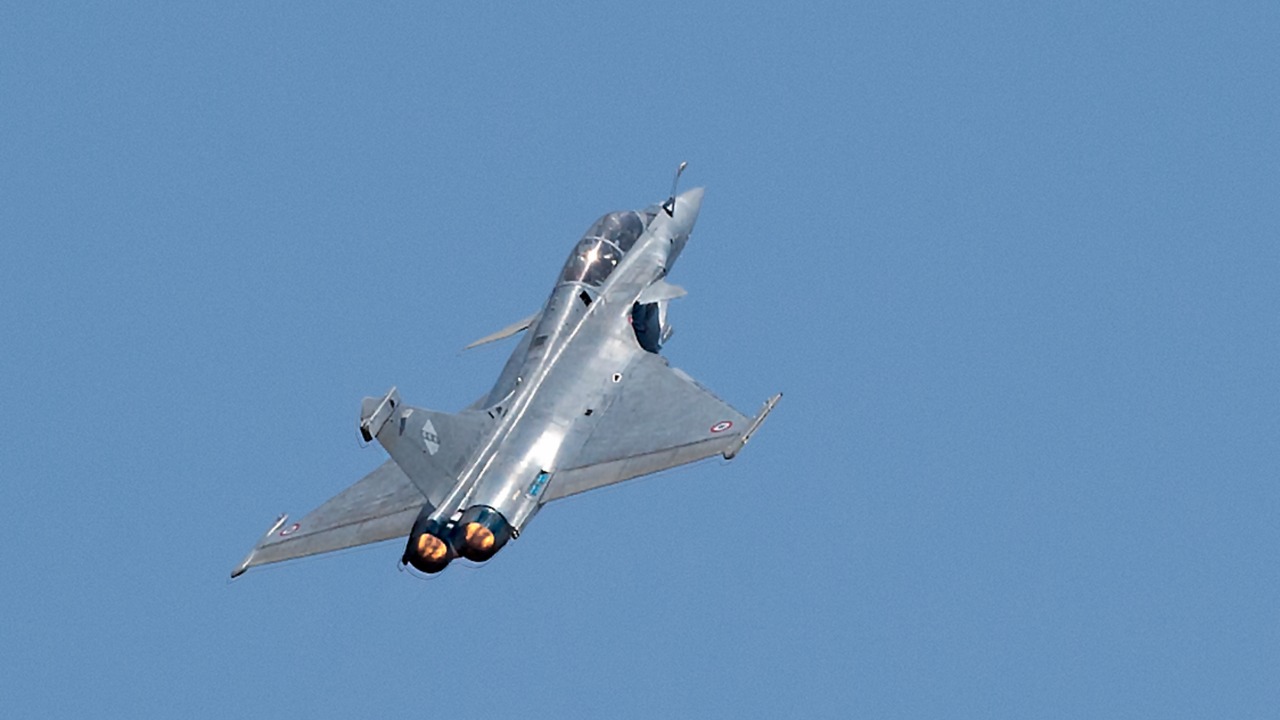

India and France are moving toward a landmark defence agreement for 114 Rafale fighters, a package valued at about 22 billion dollars that negotiators are racing to shape before President Emmanuel Macron lands in New Delhi. The prospective deal would build on the earlier purchase of 36 Rafales and is designed to plug a growing squadron shortfall in the Indian Air Force while embedding significant “Make in India” elements. Its timing signals a shift from years of stalled talks to a more assertive push for defence self-reliance and strategic diversification at a moment of friction in the global arms market.
Historical Context of Rafale Acquisitions
India’s relationship with the Rafale platform began in earnest with the 2016 government-to-government agreement for 36 aircraft, a contract that defence officials framed as a way to rapidly induct a combat-proven multirole fighter with advanced avionics, long-range weapons and high sortie rates. That initial purchase, which brought twin-engine Rafales into Indian service, created a template for deeper industrial and operational cooperation with France and demonstrated that New Delhi was willing to move outside its traditional mix of Russian and indigenous fighters for frontline roles. For the Indian Air Force, the 36 jets were a qualitative leap, but they were never intended to fully address long-term force structure needs.
As the first Rafale squadrons settled into service, New Delhi opened discussions on a much larger follow-on order of 114 aircraft, a number aligned with the Air Force’s long-term planning for multirole combat aircraft. Those talks, which gathered pace around 2021, ran into headwinds over pricing structures and offset obligations, slowing the momentum that had followed the original 36-jet deal. According to officials cited in recent reporting, the process has now shifted from exploratory exchanges to concrete negotiations, reflecting a political decision in both capitals to overcome earlier hurdles and lock in a significantly larger Rafale footprint in India.
Details of the Emerging 114-Jet Deal
The emerging agreement centres on the acquisition of 114 advanced Rafale fighter jets, a fleet expansion that would give the Indian Air Force a sizeable inventory of the same platform across multiple bases. As described by officials involved in the talks, the package is structured to cover not only the aircraft but also weapons, training systems and long-term support, creating a comprehensive ecosystem around the Rafale in Indian service. Negotiators have stressed that the goal is to ensure the new tranche integrates seamlessly with the existing 36 jets, allowing common maintenance, pilot conversion and mission planning, which in turn reduces lifecycle costs and accelerates operational readiness.
Financially, the deal is estimated at about 22 billion dollars, a figure that reflects both the scale of 114 airframes and the inclusion of technology transfer and local workshare. Indian officials quoted in detailed coverage have framed this cost as an investment in both deterrence and industrial capability, arguing that a larger order enables more meaningful localisation than a smaller batch. Negotiations are also focused on compressing delivery timelines compared with the earlier 36-jet contract, with New Delhi pressing for faster induction to meet near-term operational needs and Paris signalling flexibility as both sides look to announce substantial progress during Macron’s visit.
Indian Air Force’s Operational Gaps Driving Urgency
The urgency behind the 114-jet package is rooted in the Indian Air Force’s shrinking squadron strength, which has fallen well below the sanctioned level of 42 squadrons as legacy MiG-series aircraft retire. Senior officers have warned that the current inventory leaves the service stretched across simultaneous contingencies on the western and northern fronts, a concern that has been amplified by recent border tensions with both Pakistan and China. Reporting on the internal assessments notes that planners see the Rafale as a key asset for high-threat missions, and that without additional squadrons the Air Force risks a growing gap between its commitments and available combat power.
These concerns have translated into political pressure to move quickly on the expanded Rafale deal, particularly as older platforms approach the end of their safe operating lives. A detailed account in recent analysis describes how the squadron shortfall has become a central argument in favour of a large, single-platform order that can be inducted and sustained at scale. Parallel reporting in New Delhi-focused coverage underscores that the Air Force leadership now views closure of the 114-jet negotiations as imminent, a shift from earlier years when projections for additional Rafales remained vague and repeatedly slipped.
Make in India Integration and Self-Reliance Boost
A defining feature of the current talks is the insistence on a robust “Make in India” component, which Indian negotiators describe as non-negotiable for a deal of this size. The framework under discussion would require a significant portion of the 114 Rafales to be assembled in India, with local production of selected airframe parts, avionics subassemblies and ground support equipment. According to officials cited in policy-focused reporting, this “Make in India ignition” is intended to reduce long-term import dependence and create a domestic supply chain that can support upgrades and overhauls without relying entirely on French facilities.
Compared with the earlier 36-jet contract, which was largely based on fully built aircraft delivered from France, the new structure would bring Indian public and private firms into the Rafale ecosystem through joint ventures and licensed production. Negotiators argue that such arrangements would not only generate skilled jobs but also deepen India’s ability to maintain and eventually modify the platform independently, aligning with the government’s broader defence self-reliance agenda. The shift from traditional offset clauses to more integrated industrial partnerships is seen as a test case for how India structures future big-ticket imports, and both sides are working to finalise these elements in time for detailed discussion during Macron’s meetings in New Delhi.
Geopolitical Implications Amid US Defiance
Beyond hardware and industrial policy, the near-final Rafale package carries clear geopolitical weight, particularly in the context of India’s evolving ties with the United States and Europe. Analysts quoted in strategic assessments note that a 22 billion dollar agreement with France signals New Delhi’s intent to diversify away from an overly US-centric procurement path, even as it deepens cooperation with Washington in other domains. The deal also reinforces France’s role as a long-term defence partner that is willing to share technology and accommodate local manufacturing, a contrast that Indian officials quietly highlight when discussing US export controls and legislative constraints.
Reporting that examines the political backdrop points to what is described as “US defiance” in arms export restrictions and concerns linked to laws such as the Countering America’s Adversaries Through Sanctions Act, which have complicated some of India’s other defence relationships. Against that backdrop, the Rafale negotiations are portrayed in recent commentary as a deliberate move to fortify strategic autonomy by anchoring a major combat aviation program in a European partnership less encumbered by US domestic politics. For the wider Indo-Pacific, a significantly expanded Rafale fleet would enhance India’s deterrent posture and signal to regional actors that New Delhi is prepared to invest heavily, and independently, in airpower even as it navigates complex ties with Washington and other partners.