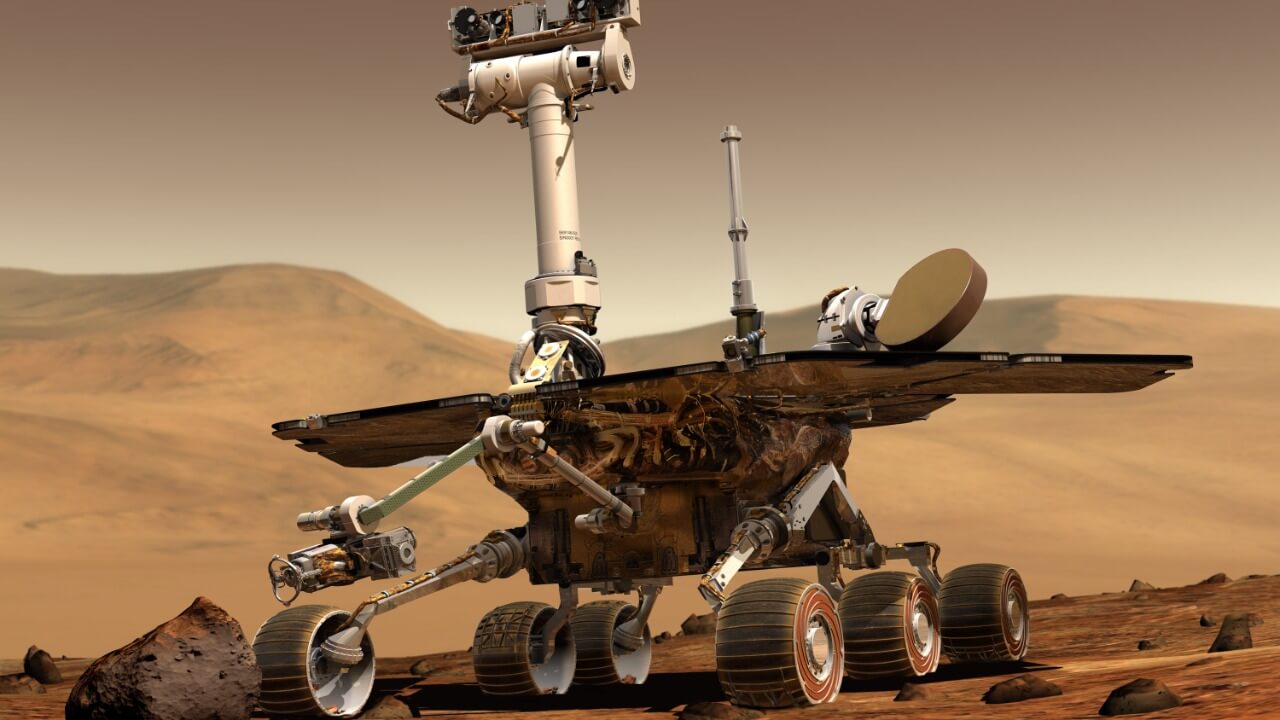

Mars rovers were built to explore an alien world, yet their data and engineering are now quietly steering some of the most ambitious technologies on Earth. From artificial intelligence that can drive itself across the Red Planet to solar robots rolling around your backyard, the same ideas that keep robots alive on Mars are starting to power 2026’s consumer and climate tech. I see six especially striking examples where rover know‑how has slipped its planetary leash and is reshaping everyday innovation.
From Perseverance’s AI drives to self-steering cars
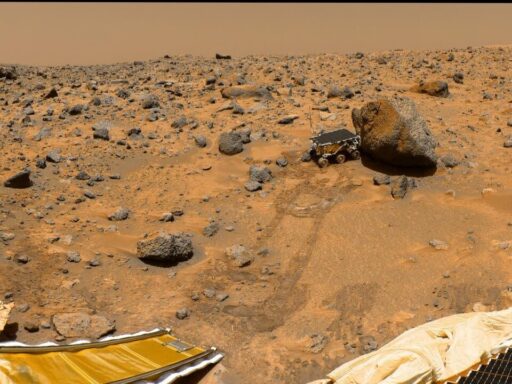
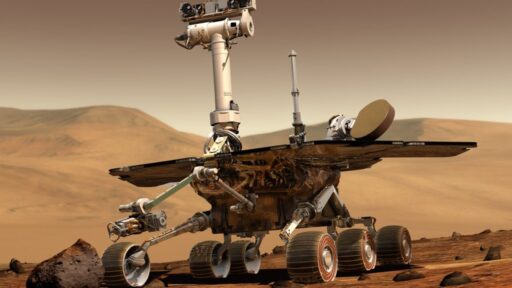
The most visible crossover from Mars to Main Street is in autonomous navigation. NASA’s Perseverance Mars rover has already completed the first drives planned by artificial intelligence, using its own navigation camera data to chart safe routes across rock fields without waiting for instructions from Earth. In one demonstration, Perseverance Rover used this system to pick its own path as the distance from Earth grew, a proving ground for AI that must make safety‑critical decisions with limited bandwidth and no second chances.
That same philosophy is now filtering into terrestrial vehicles. When I look at how self-driving test fleets handle complex intersections or unmarked roads, the parallels with the rover’s autonomy stack are obvious: both rely on fusing camera feeds, terrain models and predictive algorithms to choose a route in uncertain conditions. NASA has highlighted this kind of crossover in its long‑running Spinoff 2026 program, which tracks how navigation and robotics tools built for Mars missions migrate into commercial driver‑assist systems and off‑road automation. The result is that every time a new car advertises smarter lane‑keeping or better obstacle detection, there is a good chance some of the underlying logic was hardened first on Martian regolith.
Rover algorithms are rewriting extreme-weather forecasting
One of the most surprising exports from Mars exploration is a data analysis algorithm originally tested on NASA’s Perseverance Rover on Mars. Researchers developed this algorithm to help the rover sift through vast sensor streams and spot subtle patterns in rocks and dust that might hint at past water or habitability. According to work described by Perseverance Rover scientists, the same method can help Earth researchers see climate and hazard data in a new way.
On our planet, that algorithm is being adapted to improve forecasts of hurricanes, wildfires and other extreme weather events that impact millions globally. A team working with NASA data has shown that techniques honed on Mars imagery can tease out early signatures of storm formation or fire spread that conventional models miss. I find it striking that a tool built to read the quiet geology of an ancient crater is now being turned toward the urgent task of giving coastal cities and fire‑prone communities a few more hours of warning.
Solar Mars Bot: a backyard echo of Martian rovers
At CES this year, the most literal homage to Mars rovers rolled out on the show floor. Jackery introduced The Solar Mars Bot, described as the company’s first robot and essentially a power station on wheels that autonomously patrols a property to keep its batteries topped up. Reporting on Solar Mars Bot makes clear that the design borrows heavily from rover thinking, from its all‑terrain wheels to its ability to navigate around obstacles while chasing sunlight.
The Solar Mars Bot is part of Jackery’s broader Living Solar ecosystem, which also includes a Solar Gazebo that turns shade structures into generators. In its CES coverage, one analysis noted that Living Solar shifts home energy from static panels to mobile, adaptive systems that actively seek the best conditions, much like a rover constantly repositions its arrays on Mars. When I watch promo clips of the Solar Mars Bot weaving between lawn furniture, I see a consumer‑friendly remix of the same autonomy and power‑management challenges that Perseverance faces every sol.
Rover-style solar tech is reshaping clean energy
The influence of Mars hardware is not limited to one gadget. Across the solar sector, engineers are quietly importing lessons from decades of keeping robots alive far from the Sun. A roundup of top solar technologies at CES highlighted how companies are embracing compact, high‑efficiency panels, ruggedized power stations and smart tracking systems that echo the design constraints of interplanetary missions. The Solar Mars Bot and Solar Gazebo were singled out as part of a new wave of solar innovations that prioritize performance without increasing user complexity, a mantra that could have been lifted from a rover design review.
Jackery’s own description of its CES lineup underscores how closely it is tracking space‑grade reliability. The company framed The Solar Mars Bot as a way to keep portable power stations always ready to provide power, a promise that depends on robust autonomy and energy storage similar to what keeps Mars robots operating through dust storms. Coverage of Jackery makes clear that the company sees its robot as a bridge between off‑grid camping gear and fully autonomous home energy systems. In practice, that means the same kind of fault‑tolerant electronics and predictive power budgeting that have been refined for years on the Red Planet are now being packaged for suburban backyards.
Spinoff 2026: Mars tech in medicine, industry and climate
Behind these headline‑grabbing products sits a deeper pipeline of space‑to‑Earth technology transfer that NASA has been documenting for half a century. In the 50th edition of its Spinoff report, the agency opens with an Excerpt that begins, “Welcome to the 50th edition of NASA Spinoff,” and notes that this milestone marks half a century since Spinoff began capturing the commercial impact of spaceflight technologies. The anniversary overview, available through Welcome, emphasizes how tools originally built for Mars, Moon and other deep space missions have seeded advances in fields from medical imaging to industrial inspection.
NASA’s own summary of the latest volume stresses that Many technologies created to support deep space and lunar missions, including Artemis, are already in use on Earth. A social post highlighting the report points to Artemis hardware that has been repurposed for hydrogen infrastructure and climate tech, while a broader feature on NASA technology describes how the agency is celebrating five decades of transforming space innovations into practical solutions on Earth. That piece notes that NASA sees this as a new golden age of exploration on Earth, with rover‑derived sensors and robotics helping companies inspect pipelines, monitor crops and map fragile ecosystems more safely.