
Airport style has become a flashpoint again after former congressman Sean Duffy urged passengers to smarten up in the cabin, arguing that dressing more formally would elevate the entire travel experience. His comments land in a moment when leggings, hoodies and slides dominate security lines, yet complaints about declining decorum and in-flight tensions are rising. The new rules of dressing up for the plane are emerging in the space between those two realities, where comfort, safety and social expectations all compete for priority.
Historical Context of In-Flight Attire
In the early decades of commercial aviation, flying was marketed as a glamorous, aspirational event, and passengers responded by treating it like a night at the theater. Men routinely boarded in tailored suits and polished shoes, while women chose structured dresses, coordinated handbags and carefully set hair, signaling respect for the novelty and cost of air travel. That aesthetic was not just about vanity, it reinforced a shared understanding that stepping onto an aircraft meant entering a semi-formal public space where appearance and behavior were closely linked.
Those norms began to erode as ticket prices fell and routes expanded, particularly after post-1970s deregulation opened the skies to a broader cross-section of travelers. Jeans, T-shirts and sneakers gradually replaced suits and stockings, and by the time low-cost carriers normalized no-frills cabins, casual wear had become the default airport uniform. The shift set the stage for today’s relaxed airport fashion, where there is little formal enforcement beyond basic decency rules, yet the lingering memory of a more dressed-up era still shapes debates about what passengers “should” wear.
Sean Duffy’s Call for Change
Former congressman and television personality Sean Duffy recently reignited that debate by arguing that passengers ought to “dress up” for flights, framing clothing choices as a simple way to improve the mood and manners on board. In comments highlighted in a report on airport fashion and dress codes, Duffy suggested that more polished outfits would encourage mutual respect among travelers and crew, and that showing up in elevated attire signals that people take the shared experience seriously. His stance positions wardrobe as a form of soft regulation, a social cue that could, in his view, reduce friction in cramped cabins.
Duffy’s background as a former congressman and TV figure gives his opinion a larger megaphone than the average traveler’s social media post, which is why his comments have resonated beyond a niche etiquette discussion. When a public figure with a national profile calls for a return to smarter dressing, it can influence how airlines think about branding and how passengers interpret unwritten rules of conduct. The stakes are not just aesthetic, they touch on questions of class, access and who gets to define what “respectful” looks like at 35,000 feet.
Airline Responses and Policies
While Duffy talks about voluntary standards, airlines already operate with their own dress codes, even if they are often buried in the fine print of conditions of carriage. As outlined in the same report on airport fashion and dress codes, carriers typically prohibit clothing with offensive language or imagery and may require passengers to cover certain areas of the body for safety and comfort reasons. These rules are framed less as moral judgments and more as operational necessities, designed to prevent conflicts on board and to ensure that evacuation procedures are not hindered by impractical garments or accessories.
Beyond explicit bans, some airlines are experimenting with softer signals that nudge travelers toward a smarter casual look without mandating suits or dresses. Lounge access policies, for example, often exclude swimwear, sleepwear or visibly soiled clothing, effectively rewarding passengers who opt for neat, structured outfits with quieter spaces and better amenities before boarding. That approach suggests a potential pivot away from purely comfort-driven norms toward a tiered system, where those who align with a more polished aesthetic enjoy subtle perks, and where style becomes another way airlines differentiate their premium products from the rest of the cabin.
Passenger Perspectives and Practical Tips
For passengers, the question is less about abstract etiquette and more about how clothing choices feel during long security lines, tight connections and unpredictable delays. Some travelers echo Sean Duffy’s view that dressing up can be a psychological advantage, helping them feel composed and professional even when flights are disrupted or meetings await at the other end. Others point out that rigid fabrics, high heels or tight collars can quickly become miserable in cramped seats, and that comfort-focused outfits are a rational response to shrinking legroom and packed overhead bins. The tension between these perspectives reflects broader cultural divides over whether air travel is still a special occasion or just another form of mass transit.
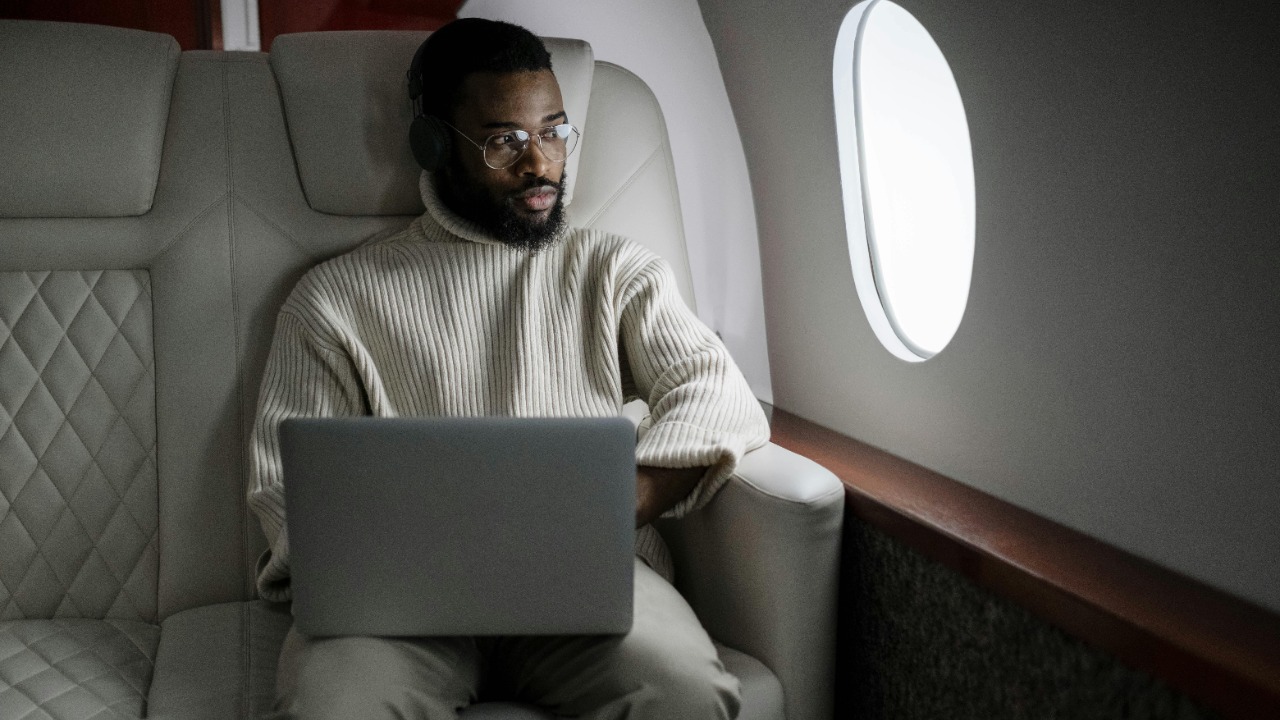
Balancing those priorities starts with choosing garments that look structured but behave like loungewear, such as wrinkle-resistant trousers with stretch, knit blazers that move like cardigans and breathable shirts that hold their shape. Layering is crucial, since cabins can swing from chilly to stuffy, so a lightweight base, a mid-layer like a merino sweater and a packable jacket can keep a traveler prepared without resorting to bulky hoodies. Closed-toe shoes that slip on and off easily at security, such as loafers or minimalist sneakers, offer a middle ground between flip-flops and formal oxfords, while accessories like scarves can double as blankets. By treating the plane as a shared public space rather than a private living room, passengers can meet evolving expectations of decorum without sacrificing the ease that modern travel demands.