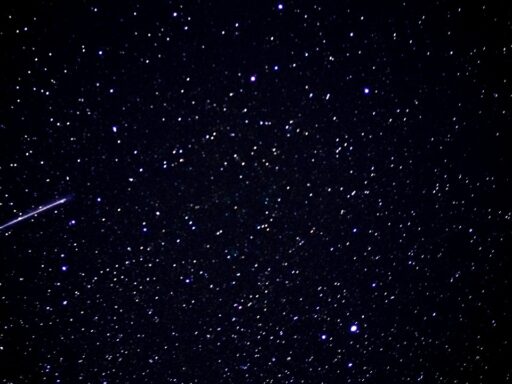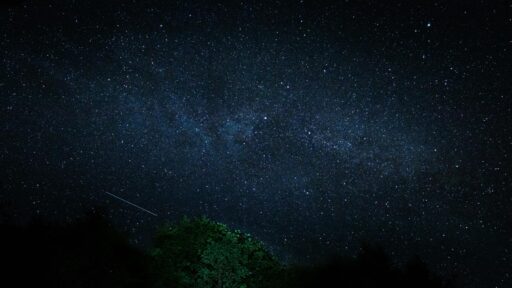
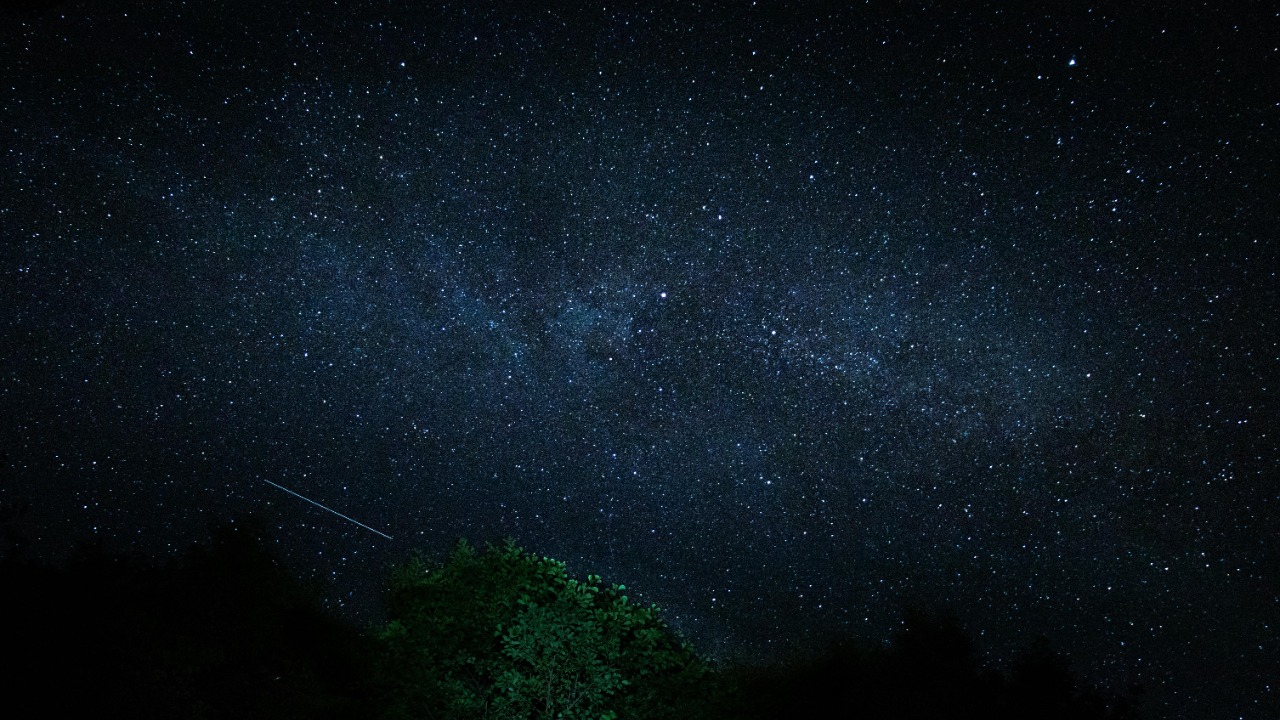

The Geminid meteor shower, widely recognized as the best of the year, begins tonight and is expected to deliver up to 120 shooting stars per hour at its peak overnight on Dec. 13-14. With the radiant point in Gemini riding high in the late-night sky, the display will favor much of the Northern Hemisphere and is already being highlighted as one of 2025’s most exciting sky events. Astronomy enthusiasts can also join 11 organized star parties planned for next weekend’s climax to turn the peak into a shared, expert-led experience.
Understanding the Geminid Phenomenon
The Geminid meteor shower is unusual because its parent body is the rocky object 3200 Phaethon, an asteroid whose debris trail produces bright, colorful meteors that have become one of the most reliable annual showers. Detailed guides to the event explain that as Earth plows through this dense stream of particles, the result is a flurry of medium-speed meteors that often appear yellow, green, or even bluish, a consistency that has helped cement the Geminids as the year’s top display for both casual observers and dedicated imagers, according to the comprehensive overview in this Geminid meteor shower guide. For skywatchers, that reliability means planning a trip or an outreach event around the shower carries relatively low risk compared with more erratic showers tied to weaker debris streams.
Unlike classic showers such as the Perseids, which are linked to icy comets, the Geminids draw their power from an asteroid, a distinction that several astronomers say helps explain their intensity and consistency. Coverage of the 2025 event notes that recent observations have highlighted the shower’s “jumpin'” energy, with swift meteors streaking across the sky at speeds up to 35 kilometers per second, a pace that makes individual streaks brief but dramatic, as described in the detailed observing notes in “Astro Bob: Jumpin’ Geminids! Best meteor shower of the year peaks Dec. 13-14”. That combination of a dense, asteroid-fed stream and high entry speeds is why many planners treat the Geminids as a cornerstone of the winter observing calendar, anchoring public programs and astrophotography projects around their dependable performance.
Timeline of the 2025 Geminid Activity
According to detailed forecasts for this year, the 2025 Geminid meteor shower activates today, Dec. 4, opening a roughly two-week window in which early viewers can start spotting the first meteors under dark, transparent skies. Analysts who track annual shower profiles emphasize that activity will be modest at first, with only occasional streaks visible each hour, but that this early phase is valuable for observers who want to test equipment, scout locations, and get familiar with the constellation Gemini before the rates climb, a point underscored in the seasonal planning advice in coverage of 2025’s best meteor shower beginning today. For educators and outreach organizers, this ramp-up period offers a chance to schedule classroom sessions or planetarium talks that prepare audiences for what they will see at the peak.
Activity is expected to build steadily through the coming weekend, with the shower reaching its maximum overnight on Dec. 13-14, when observers under ideal conditions can see up to 120 meteors per hour radiating from Gemini. Detailed observing forecasts explain that the display will then taper off by about Dec. 17, although lingering Geminid meteors can remain visible into late December, a pattern that allows flexible viewing opportunities for those who miss the main night, as outlined in the rate estimates from a 2025 Geminid meteor shower timing guide. For travelers, that extended tail means a broader window to coordinate trips to dark-sky parks or rural cabins, while still keeping the Dec. 13-14 peak circled as the night with the highest payoff.
Optimal Viewing Conditions and Locations
Prime viewing for the Geminids occurs after midnight, when the radiant in Gemini climbs higher into the sky and the number of visible meteors increases significantly. Observing guides stress that locations with low light pollution across the Northern Hemisphere will see the best results, with rural sites, national parks, and certified dark-sky reserves offering the clearest views of the full 120 meteors per hour that the shower can deliver under ideal conditions, as explained in the step-by-step observing recommendations in expert advice on when to see 2025’s best meteor shower at its best. For city residents, that emphasis on darkness underscores the value of even a short drive to the outskirts, where skyglow drops and fainter meteors become visible.
Observers are being told to expect up to 120 meteors per hour only if they have a wide, unobstructed view and minimal interference from moonlight or urban glare, conditions that can easily cut the visible rate by half or more. Practical guides to the 2025 event recommend simple strategies such as turning off nearby lights, letting eyes adapt for at least 20 minutes, and using reclining chairs or blankets to scan as much of the sky as possible, advice that is laid out in detail in a preview describing Geminid shooting stars as one of 2025’s most exciting meteor showers. For beginners, the fact that no telescope or binoculars are required, and that the shower remains strong for several nights around the peak, lowers the barrier to entry and makes the Geminids an accessible gateway into regular stargazing.
Upcoming Star Parties and Community Events
To help the public make the most of the peak, organizers have scheduled 11 dedicated star parties for next weekend’s Geminid maximum, with guided viewing sessions spread across multiple U.S. locations. A detailed roundup of these gatherings notes that each event is timed to coincide with the overnight hours of Dec. 13-14, when the shower is expected to reach its highest hourly rates, and that hosts are planning structured programs that walk newcomers through identifying Gemini, understanding meteor shower science, and safely navigating dark observing fields, according to the event listing in “11 Star Parties For Next Weekend’s Geminid Meteor Shower Peak”. For local tourism boards and park managers, those coordinated events represent a chance to draw visitors during a typically quiet winter period while also highlighting regional dark-sky conservation efforts.
Reports on the 2025 Geminid season emphasize that these star parties will provide telescopes, expert talks, and family-friendly setups that turn the Dec. 13-14 overnight observation into a structured learning experience rather than a solitary vigil. Organizers are encouraging participants to check with nearby astronomy clubs and science centers for details on start times, parking, and any required reservations, guidance that aligns with broader outreach strategies described in planning resources for 2025’s best meteor shower. For families, educators, and community leaders, the combination of a predictable, high-rate meteor shower and structured public events offers a rare opportunity to connect people with the night sky in a way that is both scientifically grounded and immediately memorable.
Why the 2025 Geminids Stand Out
Analysts tracking annual meteor activity are already describing the 2025 Geminid meteor shower as one of the year’s standout celestial events, citing its high predicted rates, favorable timing, and broad visibility across the Northern Hemisphere. A detailed preview notes that the shower’s radiant in Gemini will be well placed for late-night observers and that the expected 120 meteors per hour under dark skies put it ahead of most other annual showers in terms of sheer activity, a ranking that is highlighted in coverage explaining how to see 120 “shooting stars” per hour. For policymakers and advocates focused on dark-sky preservation, that level of public attention can be a powerful tool for illustrating what is at stake when light pollution erodes access to natural nightscapes.
Seasonal guides also stress that the Geminids’ reputation as the “best meteor shower of the year” rests not only on numbers but on their visual character, with many meteors appearing bright, occasionally fragmenting, and sometimes leaving persistent trains that hang in the sky for seconds. In-depth observing notes describe how this combination of brightness and frequency makes the shower particularly photogenic, encouraging astrophotographers to set up wide-field cameras and time-lapse rigs to capture the peak, a trend that is reflected in the practical imaging tips included in the long-running Geminid meteor shower guide. For science communicators, that visual drama provides compelling material for social media campaigns and classroom demonstrations that can spark sustained interest in planetary science, small-body dynamics, and the broader story of how debris streams intersect Earth’s orbit.