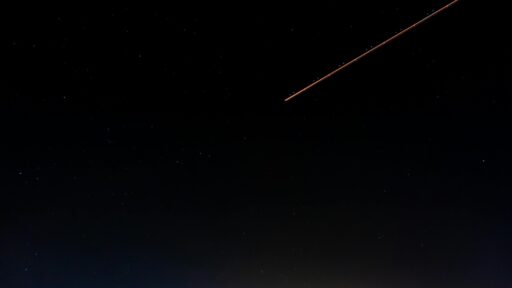
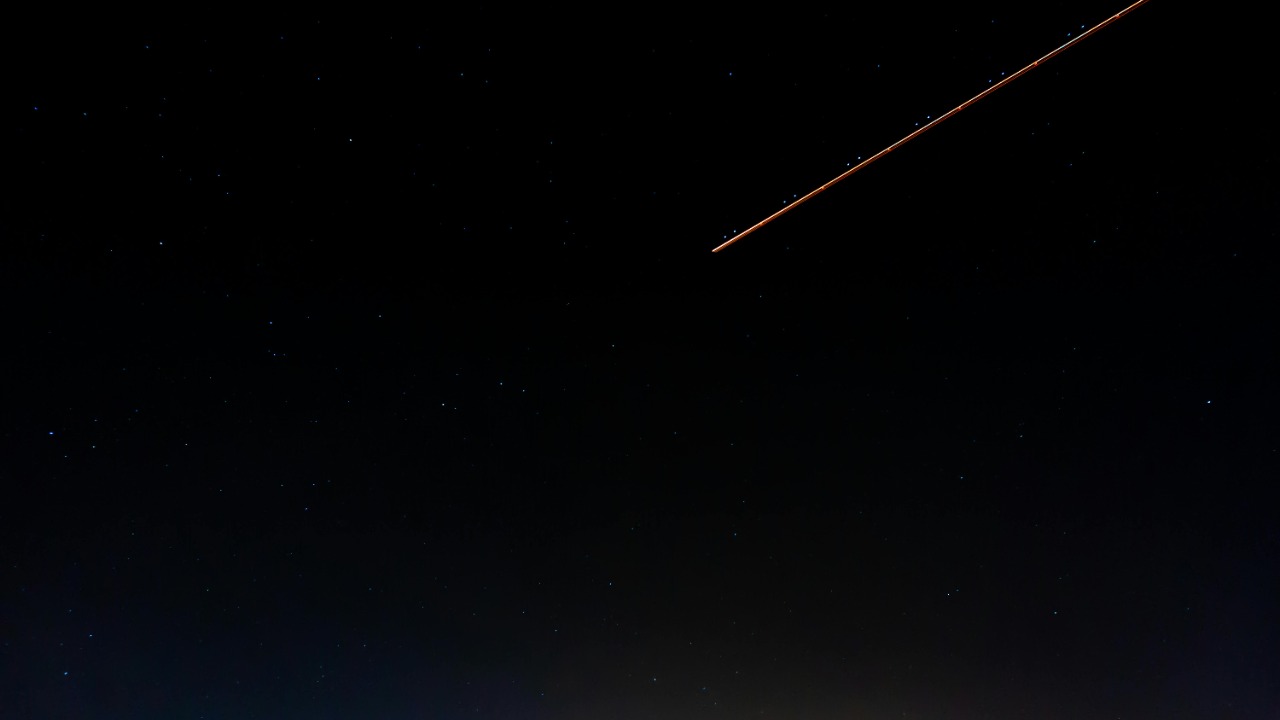

The Geminid meteor shower in 2025 will peak next week, delivering up to 120 meteors per hour under ideal conditions and earning its reputation as the year’s most reliable and spectacular display. Originating from debris of the asteroid 3200 Phaethon, this shower stands out for its bright, colorful fireballs visible across both hemispheres. With a nearly new moon keeping the sky darker than last year, viewers who plan ahead for optimal dark-sky spots are poised for one of the clearest Geminid performances in recent memory.
When Does the Geminid Shower Peak in 2025?
The Geminid meteor shower in 2025 runs from December 4 to December 20, with the peak occurring overnight from December 13 to 14, when Earth passes through the densest part of the debris stream from asteroid 3200 Phaethon, according to detailed forecasts in Geminid meteor shower 2025 peaks next week. Here’s what you need to know about this year’s best meteor shower. During this peak window, observers under dark, clear skies can expect up to 120 meteors per hour, a rate that places the Geminids at the top of the annual meteor shower calendar and makes the timing critical for anyone hoping to see the shower at its strongest.
For most locations, the highest rates are expected around 2 a.m. local time, when the radiant in the constellation Gemini climbs highest in the sky and the meteors have the longest possible paths through the atmosphere, a pattern explained in Geminid meteor shower 2025: When, where and how to see one of the best meteor showers of the year. That late-night peak means the best views will favor patient observers willing to stay out after midnight, and it also gives families and schools a clear target window for planning viewing sessions that balance sleep schedules with the desire to catch the shower at its most active.
Why Are the Geminids Considered the Best Meteor Shower?
Unlike many major meteor showers that come from fragile comet dust, the Geminids originate from the rocky asteroid 3200 Phaethon, a parent body that produces slower and brighter meteors that are easier to spot even in light-polluted areas, as outlined in Geminid meteor shower 2025: When, where and how to see one of the best meteor showers of the year. That asteroid origin means Geminid particles tend to be denser than typical cometary grains, so they penetrate deeper into the atmosphere before burning up, creating longer lasting streaks that give casual skywatchers more time to notice each meteor and making the shower particularly accessible for people observing from suburbs or small towns.
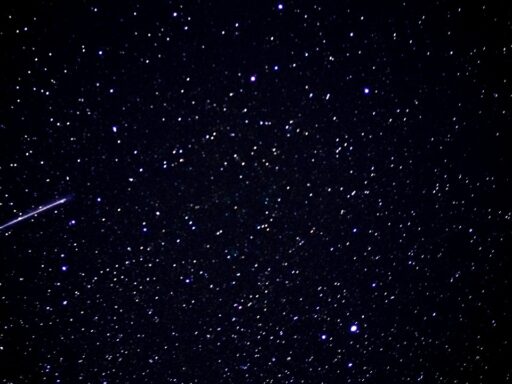
At peak, rates can reach 120 meteors per hour, with many Geminids showing yellow, green, or red hues and occasional fireballs brightening to magnitude -4, a level of intensity highlighted in Geminid meteor shower 2025 peaks next week. Here’s what you need to know about this year’s best meteor shower. The shower’s consistency has improved in recent years thanks to better orbital modeling of 3200 Phaethon and its debris stream, making the Geminids more predictable than variable events like the Perseids and giving observatories, tourism operators, and educators a reliable celestial event around which to build public outreach and dark-sky awareness campaigns.
How to Best View the Geminids This Year
For the best view, I recommend heading to a dark-sky location well away from city lights, then lying back to scan the entire sky rather than staring only at Gemini, a strategy that matches guidance in Geminid meteor shower 2025: When is it? How can I see it?. Although the meteors appear to radiate from the constellation Gemini, they can streak across any part of the sky, so a wide field of view increases the odds of catching both faint streaks and bright fireballs and underscores why rural communities and protected dark-sky parks are likely to see the richest displays.
No equipment is required beyond your eyes, but binoculars can help highlight fainter meteors and lingering trails once your night vision has adapted for 20 to 30 minutes, a practical tip emphasized in Geminid meteor shower 2025: When, where and how to see one of the best meteor showers of the year. In the Northern Hemisphere, higher northern latitudes get the fullest view because Gemini rides higher overhead, while Southern Hemisphere observers may see fewer meteors but can still catch bright ones low on the horizon if they plan for at least two hours of observation, a north–south contrast that shapes how tourism boards and local astronomy clubs schedule public viewing events.
Potential Challenges and Tips for 2025
Cold December weather in the Northern Hemisphere could limit how long people are willing to stay outside, so dressing in multiple insulating layers and bringing warm drinks or hand warmers can make the difference between a quick glance and a sustained viewing session, according to practical advice in Geminid meteor shower 2025 peaks next week. Here’s what you need to know about this year’s best meteor shower. For schools, scout groups, and families, planning for blankets, reclining chairs, and backup indoor warm-up spaces can turn the peak night into a comfortable community event rather than a brief, uncomfortable outing that ends before the shower reaches its best rates.
Light pollution remains the biggest obstacle for urban and suburban observers, but apps such as Stellarium can help locate the radiant and identify darker observing spots, a strategy echoed in Geminid meteor shower 2025: When is it? How can I see it?. Compared to 2024, reduced moonlight in 2025 is expected to boost visible meteor rates by up to 20 percent, according to projections in Geminid meteor shower 2025: When, where and how to see one of the best meteor showers of the year, but that advantage only materializes if local forecasts cooperate, so checking cloud cover and wind conditions a day or two in advance is essential for anyone traveling to a dedicated dark-sky site.
Why 2025 Offers Especially Favorable Conditions
This year’s timing aligns with a waning crescent moon phase, which significantly reduces natural skyglow and improves meteor counts over 2024’s fuller moon, a contrast highlighted in How to Watch the Geminids Meteor Shower—the Most Spectacular of the Year. With the moon rising later and shining less brightly, more of the faint and medium-brightness Geminids that would otherwise be washed out become visible, which means that even observers in moderately light-polluted areas can expect a noticeable improvement in the number of meteors they see compared with last year.
Because the Geminids are already one of the most active showers of the year, the combination of a strong debris stream and a darker sky in 2025 creates an unusually favorable opportunity for both first-time and experienced observers, a convergence of factors underscored in Geminid meteor shower 2025 peaks next week. Here’s what you need to know about this year’s best meteor shower. For local governments, tourism operators, and science educators, that alignment of peak activity and minimal moonlight offers a compelling reason to promote public viewing nights, since a successful Geminid experience can build long-term interest in astronomy and strengthen support for preserving dark skies.