
The Future Aero Festival recently highlighted Embraer’s advancements in aerospace innovation, drawing industry attention to the Brazilian manufacturer’s forward-looking projects and technologies. The event served as a platform for Embraer to demonstrate its role as an innovation engine in the sector, featuring interactive exhibits and expert discussions on sustainable aviation solutions, while attendees gained exclusive previews of upcoming developments that could reshape commercial and executive air travel.
Event Highlights and Key Presentations
Main stage sessions at the Future Aero Festival focused on how Embraer is structuring its innovation strategy around sustainable propulsion systems and deeper digital integration in aircraft design. Executives used these presentations to map out a roadmap that links incremental upgrades in current regional jets with more disruptive concepts, such as hybrid-electric propulsion and advanced flight deck automation, positioning the company as a bridge between today’s fleets and tomorrow’s low-emission aircraft. For airlines and lessors evaluating long-term fleet plans, the clarity of that roadmap matters because it signals how Embraer intends to protect asset values while meeting tightening environmental regulations.
Alongside the keynotes, interactive demos showcased prototype technologies that Embraer is testing for next-generation mobility, including advanced avionics suites and hybrid-electric concepts designed to cut fuel burn and noise. Visitors could see how digital cockpit tools, real-time health monitoring, and predictive maintenance algorithms might be layered into future E-Jet upgrades and clean-sheet designs, illustrating a shift from hardware-centric development to software-rich platforms. These hands-on exhibits helped suppliers, regulators, and operators assess how quickly such systems could migrate from lab environments into certified products, a critical factor for aligning certification timelines, infrastructure investments, and training programs.
Embraer’s Innovation Pipeline Revealed
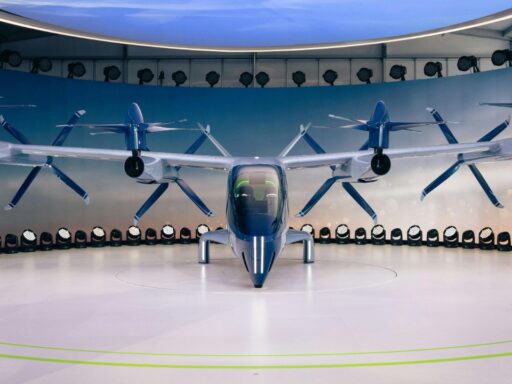
Festival sessions devoted to Embraer’s innovation pipeline detailed ongoing research and development investments in urban air mobility, including concepts for electric vertical take-off and landing vehicles that could complement existing regional networks. Presenters also highlighted work on eco-friendly materials for airframes, such as lighter composite structures and cabin components that reduce lifecycle emissions and improve recyclability. For city authorities and mobility startups, these disclosures offered a clearer view of how Embraer intends to participate in emerging air taxi ecosystems, and how its engineering choices could influence infrastructure standards and certification pathways.
Speakers framed these projects within broader shifts in market demand, noting that post-pandemic recovery has sharpened airline focus on flexible capacity, lower operating costs, and compliance with new emissions rules. By aligning its R&D portfolio with regulatory pushes for lower emissions and with customer interest in right-sized aircraft, Embraer used the festival to argue that it is positioning itself ahead of competitors in the regional and small narrowbody segments. Company leaders described the event as a catalyst that helps compress innovation timelines, explaining that concentrated feedback from airlines, suppliers, and investors at the festival can replace months of bilateral meetings and accelerate decisions on which concepts move into full-scale development.
Stakeholder Impacts and Industry Reactions
Reactions from airlines and investors at the festival underscored how Embraer’s displays are influencing perceptions of its market leadership in regional jets. Carrier representatives pointed to the integration of sustainable propulsion studies, digital services, and cabin upgrades as evidence that Embraer is not treating decarbonization as a side project but as a core design principle for future platforms. For investors, the breadth of the pipeline, spanning incremental E-Jet enhancements to urban air mobility concepts, signaled a diversified innovation strategy that could mitigate risk across different demand scenarios and regulatory outcomes.
Partnerships teased during the event, including potential integrations with technology firms for AI-driven flight operations and maintenance optimization, suggested that Embraer is expanding its stakeholder ecosystem beyond traditional aerospace suppliers. By exploring collaborations around data analytics, autonomous assistance in the cockpit, and network planning tools, the company is positioning itself as both an aircraft manufacturer and a digital solutions provider. That shift has implications for airlines that increasingly expect integrated hardware and software offerings, as well as for tech companies seeking aviation partners that can bring experimental algorithms into certified, safety-critical environments.
Looking Ahead: Next Steps from the Festival
Embraer used the closing sessions of the Future Aero Festival to outline follow-up initiatives, including pilot programs for several of the technologies featured on the exhibition floor. These initiatives are set to involve selected airline and lessor partners in real-world trials of advanced avionics functions, predictive maintenance tools, and sustainability-focused modifications, creating a feedback loop that can refine products before broader rollout. The company also announced plans for a series of webinars and virtual workshops aimed at deepening engagement with stakeholders who could not attend in person, reflecting a recognition that innovation narratives now need to reach a global audience in real time.
Organizers framed the festival as an evolution from previous Embraer showcases, with a stronger emphasis on real-time collaboration tools and digital engagement amid accelerating technology adoption across aviation. Instead of relying solely on static displays and traditional slide presentations, the event integrated live data demonstrations, interactive design sessions, and remote participation options that allowed engineers, regulators, and customers to co-create scenarios and stress-test assumptions. Looking ahead, Embraer indicated that commercialization timelines for highlighted innovations will depend on the outcomes of these collaborative pilots and regulatory consultations, but the company used the festival to signal that it intends to move from concept to market at a pace more aligned with the tech sector than with legacy aerospace cycles.