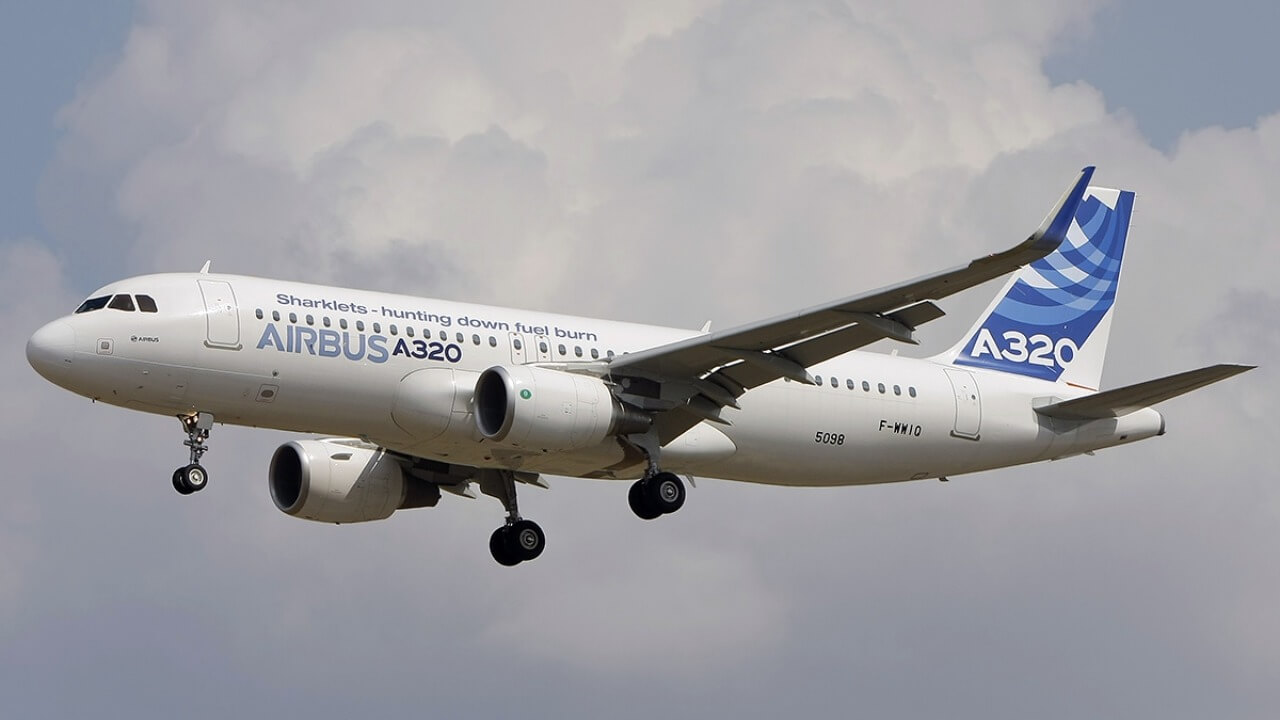

The European Union Aviation Safety Agency’s publication of a proposed airworthiness directive for Airbus A320 family jets follows confirmation that a fuselage panel defect has been found on in‑service A320neo aircraft, prompting mandatory inspections across affected fleets. The move marks an escalation from earlier internal checks to a formal regulatory response aimed at identifying and correcting faulty panels before they pose a safety risk.
EASA’s proposed airworthiness directive
The European Union Aviation Safety Agency (EASA) has formally issued a proposed airworthiness directive that targets faulty fuselage panels on Airbus A320 family aircraft, setting out a structured regulatory response to a structural concern that has moved from the factory floor into active airline operations. According to the proposal, the directive will introduce mandatory inspection requirements for aircraft that match a specific configuration in which the suspect panels have been installed, turning what had been manufacturer‑driven checks into a binding safety regime once the rule is finalized. By publishing the proposal, EASA is signaling that the issue has reached a threshold where coordinated oversight is needed to ensure that every affected airframe is examined within a defined timeframe.
In its current form, the proposed airworthiness directive, as described in the detailed outline of EASA airworthiness directive requirements for Airbus A320 faulty panel inspections, is in a consultation phase that allows airlines, maintenance organizations, and Airbus to comment on the feasibility and clarity of the inspection tasks. Once that consultation closes and EASA incorporates any necessary adjustments, the directive will become legally binding for all operators under its jurisdiction that fly affected A320‑series aircraft, with non‑compliance treated as a breach of airworthiness obligations. For operators, the transition from proposal to final directive will mark the point at which the inspections move from recommended risk‑mitigation to a mandatory condition for keeping aircraft in commercial service.
Nature and confirmation of the fuselage panel defect
The defect at the center of EASA’s action involves a specific fuselage panel on Airbus A320neo aircraft, located on the external skin of the aircraft structure where load‑bearing and pressurization demands are significant. Reporting on the issue describes a faulty panel configuration that has raised concerns about the long‑term durability of the affected area, particularly under repeated pressurization cycles and operational stresses typical of short‑ and medium‑haul missions. The problem is not limited to theoretical design margins or isolated production anomalies, but instead reflects a confirmed structural non‑conformity that EASA considers serious enough to warrant targeted inspections across the fleet.
Crucially, the defect has been confirmed on aircraft already in service, not only on airframes still in production, which significantly elevates the urgency of the regulatory response. The confirmation that the fuselage panel defect exists on operational A320neo jets, as detailed in the report on the Airbus A320neo fuselage panel defect confirmed on in‑service aircraft as EASA proposes inspections, means that passengers are already flying on aircraft that may carry the affected panels, even if no incidents have been reported. EASA’s proposed directive directly responds to this reality by requiring focused panel inspections that are specifically designed to detect the known defect before it can propagate into cracks or other damage that might compromise structural integrity during routine operations.
Scope of aircraft and operators affected
The scope of the proposed inspections covers members of the Airbus A320 family where the faulty panel configuration has been identified, rather than applying to every A320‑series aircraft indiscriminately. EASA’s documentation on the airworthiness directive proposal for Airbus A320 faulty panel inspections explains that the directive will list affected models and serial number ranges, capturing those aircraft that incorporate the suspect fuselage panels while excluding airframes built to different specifications. This targeted approach is intended to balance safety and practicality, ensuring that resources are concentrated on aircraft with a demonstrable exposure to the defect while avoiding unnecessary downtime for unaffected jets.
Within that broader A320 family, in‑service A320neo jets are a central focus because the fuselage panel defect has been confirmed on operational aircraft of this variant, rather than remaining a hypothetical risk. Operators flying A320neo aircraft that match the identified configuration will be required to comply with the inspection regime once the directive is finalized, and the obligation will extend to all airlines under EASA’s oversight that operate affected A320‑series aircraft on European registers or within jurisdictions that recognize EASA directives. For carriers, the breadth of the directive means that fleet planners, safety managers, and maintenance departments must coordinate to identify which tail numbers fall under the rule and to schedule inspections in a way that minimizes disruption while still meeting the mandated deadlines.
Inspection requirements and maintenance implications
EASA’s proposed directive sets out specific fuselage panel inspections that operators must perform within defined time or flight‑cycle limits once the rule is adopted, translating the structural concern into concrete maintenance tasks. The airworthiness directive proposal for Airbus A320 faulty panel inspections describes a regime in which airlines will have to complete initial checks within a set number of flight cycles or calendar days after the directive becomes effective, followed by repetitive inspections at intervals that reflect the expected progression of any damage. These inspections are designed to be detailed enough to reveal early signs of the confirmed A320neo fuselage panel defect, using visual examinations and, where necessary, non‑destructive testing methods that can detect flaws beneath paint or sealant without removing large sections of the aircraft skin.
From a maintenance perspective, the implications are significant, because any panels found to be faulty under the proposed inspections will require corrective maintenance or replacement in accordance with Airbus instructions that are referenced in the directive. Airlines will need to ensure that their maintenance and engineering teams have access to the latest Airbus repair documentation, tooling, and replacement parts so that any non‑conforming panels can be addressed promptly, avoiding extended aircraft‑on‑ground events. The requirement to integrate these inspections into existing maintenance programs, often alongside other airworthiness directives and scheduled checks, will test the flexibility of maintenance planning systems and may lead to short‑term capacity constraints at heavy maintenance facilities, particularly for operators with large A320neo fleets.
Safety rationale and regulatory context
EASA’s decision to publish an airworthiness directive proposal reflects a precautionary approach to structural safety on the A320 family, rooted in its mandate to act when a potential unsafe condition is identified. The agency’s description of the airworthiness directive for Airbus A320 faulty panel inspections makes clear that the goal is to detect and correct the fuselage panel defect before it can evolve into a more serious structural problem, rather than waiting for in‑flight incidents or visible damage to trigger action. By intervening at the stage of confirmed manufacturing or configuration issues, EASA is applying the principle that structural anomalies on pressurized fuselage sections must be treated with particular caution, given their direct relationship to the aircraft’s ability to withstand repeated cycles without loss of integrity.
The confirmed A320neo fuselage panel defect on in‑service aircraft ties directly into EASA’s obligation to mitigate potential risks before they escalate, and the proposed inspections fit into the broader framework of continuous airworthiness oversight that the agency applies to Airbus A320 aircraft. Within that framework, airworthiness directives are one of the most powerful tools regulators have to enforce corrective actions across fleets, complementing service bulletins and manufacturer recommendations that may not carry the same legal weight. For airlines, the directive underscores that structural quality issues, even when they have not yet produced operational incidents, can quickly become subject to mandatory regulatory control, reinforcing the need for close collaboration with manufacturers and proactive reporting of any anomalies discovered during routine maintenance.
Next steps for Airbus and airlines
As the airworthiness directive proposal moves through consultation, Airbus is expected to support operators with technical guidance and repair instructions that are explicitly tied to the EASA requirements for Airbus A320 faulty panel inspections. That support typically includes updated inspection procedures, detailed repair schemes for panels that show signs of the defect, and, where necessary, design changes that can be embodied during heavy maintenance checks to eliminate the underlying configuration issue. By aligning its technical documentation with the directive, Airbus can help ensure that inspections are carried out consistently across different operators and maintenance providers, reducing the risk of divergent interpretations that might leave some aircraft insufficiently protected.
For airlines operating A320neo aircraft with the fuselage panel defect, the next steps involve adjusting maintenance planning to accommodate the mandated inspections while maintaining schedule reliability and fleet availability. Maintenance control centers will need to map the directive’s compliance deadlines against each affected aircraft’s utilization profile, routing aircraft through facilities capable of performing the inspections and any required repairs without causing cascading delays across the network. Once stakeholder feedback on the proposal has been reviewed, EASA will finalize and issue the airworthiness directive for Airbus A320 faulty panel inspections, at which point compliance will become mandatory and subject to oversight audits, making timely preparation by both Airbus and operators essential to avoid last‑minute groundings or operational constraints.