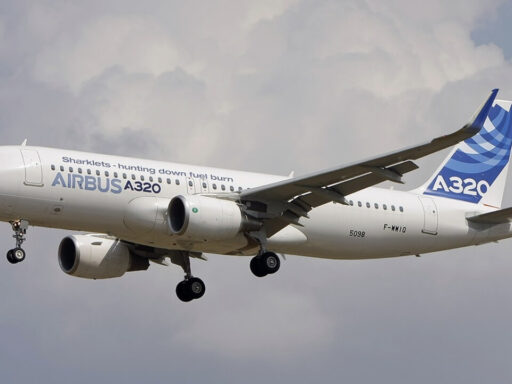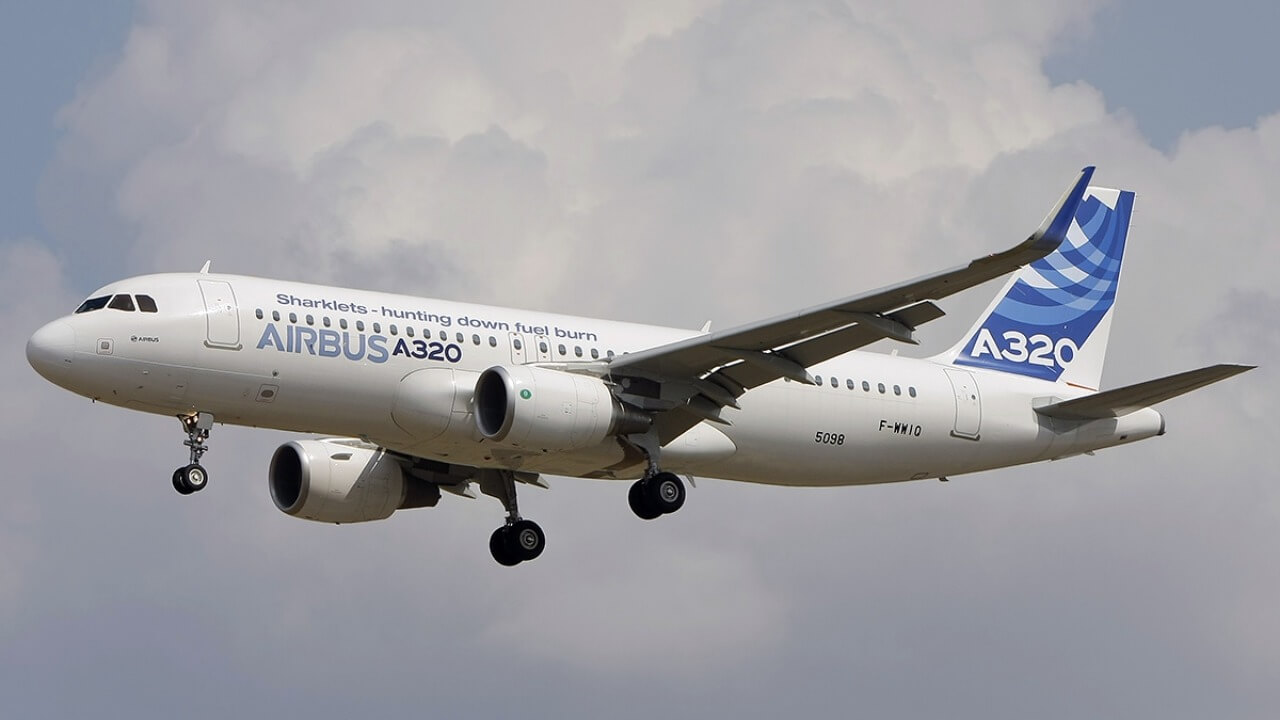

The European Union Aviation Safety Agency (EASA) issued an emergency airworthiness directive on November 28, 2025, after Airbus identified a potential flight-control fault in the A320 family of aircraft linked to solar radiation interference. The directive orders immediate inspections and, where necessary, temporary grounding of affected jets to reduce the risk of control anomalies during periods of intense solar activity. Airbus has described the issue as a rare but critical vulnerability in the A320’s fly-by-wire architecture, prompting regulators across Europe and other regions to move quickly.
Airbus Identifies Solar Radiation Risk
Airbus first raised the alarm in a technical bulletin that flagged a flight-control risk in the A320 family from solar radiation, focusing on how high-energy particles during strong solar flares could interfere with sensitive avionics. According to the bulletin, the concern centers on the fly-by-wire system that interprets pilot inputs and translates them into electronic commands for the control surfaces, a core feature of the A320 design since its introduction. Engineers warned that, under specific conditions of intense solar activity, radiation could induce spurious signals or data corruption in certain components, potentially leading to erroneous control inputs that the crew might not immediately recognize.
The manufacturer stressed that no in-service incidents have been directly attributed to this mechanism, yet it urged operators to treat the finding as a proactive safety issue rather than a theoretical curiosity. In its alert, which was later detailed in reporting by AeroTime on the A320 flight-control risk from solar radiation and possible grounding, Airbus framed the vulnerability as distinct from previous A320 safety updates that focused on software logic or hardware wear. The new concern is tied to the external space weather environment, not to a design flaw that emerges only with age or heavy use, which raises the stakes for airlines that routinely operate at higher latitudes or altitudes where exposure to cosmic radiation is greater.
EASA’s Emergency Directive Details
EASA responded by issuing an emergency airworthiness directive on November 28, 2025, instructing operators of the A320 family to conduct targeted checks for solar radiation susceptibility in the affected flight-control systems. The directive, which took effect immediately at 22:37 Coordinated Universal Time, requires airlines to verify that specific avionics units and software loads meet the mitigation criteria identified by Airbus. Regulators framed the action as an escalation from routine maintenance bulletins, noting that the emergency status reflects both the seriousness of a potential loss of reliable flight-control data and the limited time available before the next forecast peak in solar activity.
In practical terms, the directive lays out procedures for temporary flight restrictions and software mitigations designed to prevent control disruptions if aircraft are exposed to strong solar flares. Operators are instructed to adjust dispatch rules for A320-family jets that have not yet been inspected, including possible altitude caps or route changes during periods of heightened solar radiation, and to apply updated software or configuration changes as soon as they are available. EASA explicitly linked the urgency of the directive to predictions of an approaching solar maximum, arguing that the combination of a known vulnerability and an expected increase in solar storms creates an unacceptable risk if left unaddressed, particularly on densely trafficked European routes.
Potential Impacts on Operators
For airlines that rely heavily on the A320 family, the directive introduces the prospect of short-notice groundings while inspections and software updates are carried out. Carriers that operate large A320 fleets on high-frequency short-haul routes, such as those connecting major European hubs or busy intra-Asian city pairs, face the possibility of pulling multiple aircraft from service at once if they cannot complete the mandated checks quickly. Network planners now have to weigh whether to preemptively swap in other types, such as Boeing 737-800 or Embraer E190 jets, on vulnerable routes to avoid last-minute cancellations if solar activity spikes during the inspection window.
The directive applies globally to A320-family aircraft registered under EASA oversight, which includes major European carriers and several operators in Asia that maintain their fleets to EASA standards. That broad scope means the economic ripple effects will not be confined to a single market, as disruptions on European routes can cascade into connecting flights operated by partner airlines in the Middle East or Asia. Maintenance departments must allocate hangar slots, specialized test equipment, and qualified avionics technicians to complete the checks, while finance teams model the cost of additional downtime and the expense of installing Airbus-provided support kits that are intended to harden the fly-by-wire system against radiation-induced faults.
Broader Industry Response
Aviation authorities outside EASA’s jurisdiction are now reviewing the Airbus alert and the European directive to determine whether similar measures are warranted for their own registries. Civil aviation regulators in regions that experience frequent polar or high-latitude operations, such as Canada and parts of the United States, are paying particular attention to the implications for transatlantic and transpolar routes that rely on A320-family aircraft. While some authorities may choose to adopt EASA’s directive verbatim, others are expected to issue safety information bulletins that recommend, rather than mandate, inspections and operational limitations, at least until they complete their own risk assessments.
Experts in avionics and space weather have described the case as a first-of-its-kind solar radiation threat explicitly tied to the flight-control logic of a modern fly-by-wire airliner, rather than to more familiar issues such as satellite navigation outages or high-frequency radio blackouts. Researchers who study cosmic rays and their interaction with semiconductor electronics argue that the Airbus finding underscores a broader industry need to design future flight-control computers with greater resilience to single-event upsets caused by energetic particles. For airlines, the episode highlights how environmental factors beyond their direct control, such as the solar cycle, can suddenly become operational constraints, influencing everything from fleet planning to crew training on how to recognize and manage anomalous control behavior that might be linked to space weather.