
Delta is making a decisive bet on long haul travel, placing a fresh order for 31 Airbus widebody jets that will reshape its international fleet through the next decade. The mix of Airbus A330neo and A350 aircraft is designed to support global expansion while cutting fuel burn and upgrading the onboard experience for premium and economy passengers alike. The move also deepens Delta’s strategic alignment with Airbus at a moment when U.S. carriers are racing to modernize their long range operations.
What Delta is buying and when the jets arrive
At the heart of the deal is a firm commitment for 31 additional widebody aircraft, split between 16 A330-900s and 15 A350-900s, which Delta plans to bring into service from 2029 onward. The airline has described this as an expansion of its existing Airbus long haul fleet, with the new aircraft joining a growing stable of A330neo and A350 jets that already fly many of its flagship routes, according to Delta. The structure of the order gives the carrier a balanced mix of capacity and range, with the A330-900 typically deployed on transatlantic and medium haul missions and the A350-900 reserved for the longest and most premium heavy markets.
From Airbus’s side, the transaction is framed as a major reinforcement of a long running partnership with Delta Air Lines, which has steadily increased its reliance on European widebodies. In Toulouse, France, Airbus confirmed that Delta Air Lines has placed a firm order for 31 latest generation aircraft, including 16 A330-900 and 15 A350-900 jets, underlining that the package is focused on fuel efficiency and lower emissions compared with older models, according to a statement from Toulouse, France. For Airbus, the order also reinforces the commercial momentum of its A330neo and A350 families at a time when widebody backlogs are stretching well into the next decade.
A bet on premium international demand
Delta’s decision to top up its long haul fleet is rooted in a clear view of where demand is heading, particularly on high yield international routes. The airline is positioning these new aircraft to capture resilient appetite for premium cabins and long distance travel, a trend that has been especially visible on transatlantic and transpacific corridors, according to reporting on premium international travel. The A350-900 in particular gives Delta the ability to add more Delta One suites and premium economy seats, which have become central to its revenue strategy on routes to Asia and Europe.
Industry observers note that Delta Air Lines is not alone in this push, but the scale of its Airbus commitment stands out among U.S. carriers. With this order, Delta Air Lines is significantly expanding its long haul fleet and reinforcing its Airbus widebody share, a move that will allow it to serve existing hubs more efficiently and open additional markets, according to Delta Air Lines. The Atlanta based carrier is effectively locking in growth capacity for the early 2030s, when many analysts expect global traffic to have fully normalized and shifted further toward long haul leisure and business travel.
Fleet renewal, fuel burn and the Boeing question
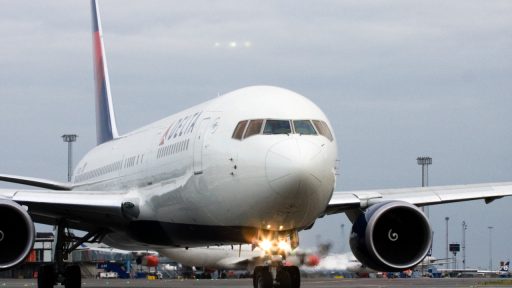
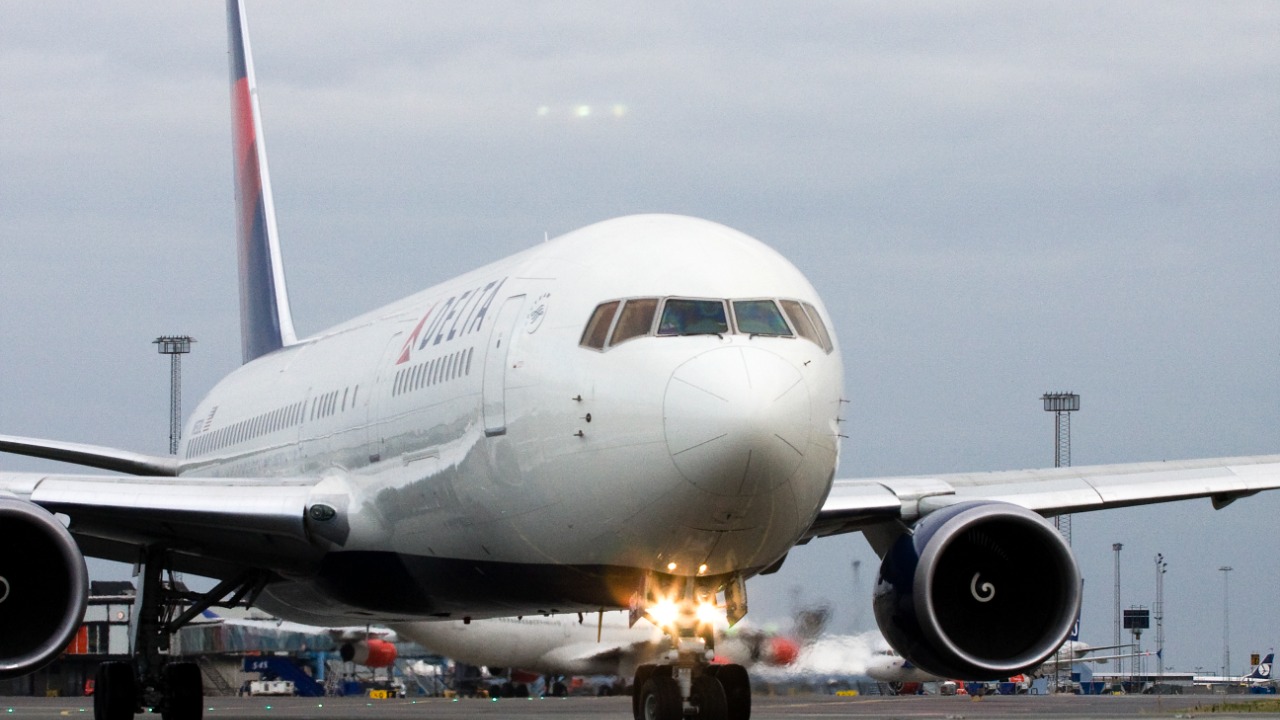
Beyond growth, the Airbus order is a tool for accelerating fleet renewal and cutting operating costs. Delta has been explicit that newer, more fuel efficient aircraft will replace older widebodies, including its large contingent of Boeing 767 jets, as they age out of the fleet. As newer, more fuel efficient aircraft are welcomed into the airline’s fleet, the largest operator of the Boeing 767 will see those aircraft retired or reconfigured with new interiors, according to analysis of Delta’s strategy on Boeing. The A330-900 and A350-900 both offer double digit fuel burn improvements per seat compared with older twin aisles, which directly supports Delta’s emissions and cost targets.
The choice to double down on Airbus widebodies rather than split future orders with the Boeing 787 reflects a long running evaluation of performance, economics and commonality. Delta Air Lines has previously signaled that the A350 family better fits its network and cabin strategy, and with this latest package it is set to almost double its A350 fleet, according to fleet data cited in Delta Air Lines. For pilots, maintenance crews and schedulers, concentrating on two Airbus widebody types simplifies training and operations, while for passengers it means a more consistent onboard product across the long haul network.
Cabin product and the race for premium seats
From a passenger perspective, the new aircraft are as much about comfort as capacity. Delta Air Lines has been steadily rolling out upgraded cabins on its A330neo and A350 fleets, including lie flat Delta One suites, a dedicated premium economy cabin and refreshed Main Cabin interiors. With 31 more widebody Airbus jets on order, the airline is poised to add thousands of additional premium seats across its intercontinental network, according to analysis of its latest premium seats. That aligns with a broader industry shift in which airlines are shrinking first class, expanding business and premium economy, and using cabin differentiation to drive revenue.
The Atlanta based carrier is also using the order to reinforce its reputation for cabin consistency on key routes. Reports on Delta’s intercontinental strategy note that the airline is topping up its fleet with 16 additional A330neos and 15 A350s to boost its intercontinental capacity while maintaining a modern onboard product, according to Delta Air Lines. For frequent flyers, that should mean a higher likelihood of finding the latest suites and entertainment systems on routes from The Atlanta hub to Europe, Asia and beyond, rather than a patchwork of older cabins.
How the deal fits Delta’s broader Airbus strategy
Strategically, the new order cements Delta’s status as one of Airbus’s most important widebody customers. Delta has ordered 31 new Airbus aircraft as part of a broader plan to renew its fleet and expand its international reach, and the airline has also secured options for additional widebodies that could be exercised later, according to Delta. That layered approach gives Delta flexibility to respond if demand outpaces current forecasts, while still locking in production slots in a crowded Airbus backlog.
For Airbus, the agreement is a showcase for its latest generation widebodies and their role in airline decarbonization plans. The manufacturer has highlighted that Delta Air Lines is growing its Airbus fleet with 31 additional widebody aircraft that deliver lower fuel burn and improved environmental performance, according to its announcement from Delta Air Lines. The deal also underscores the depth of the relationship between Delta Air Lines and Airbus, which spans narrowbody and widebody programs and now extends well into the next decade of deliveries.