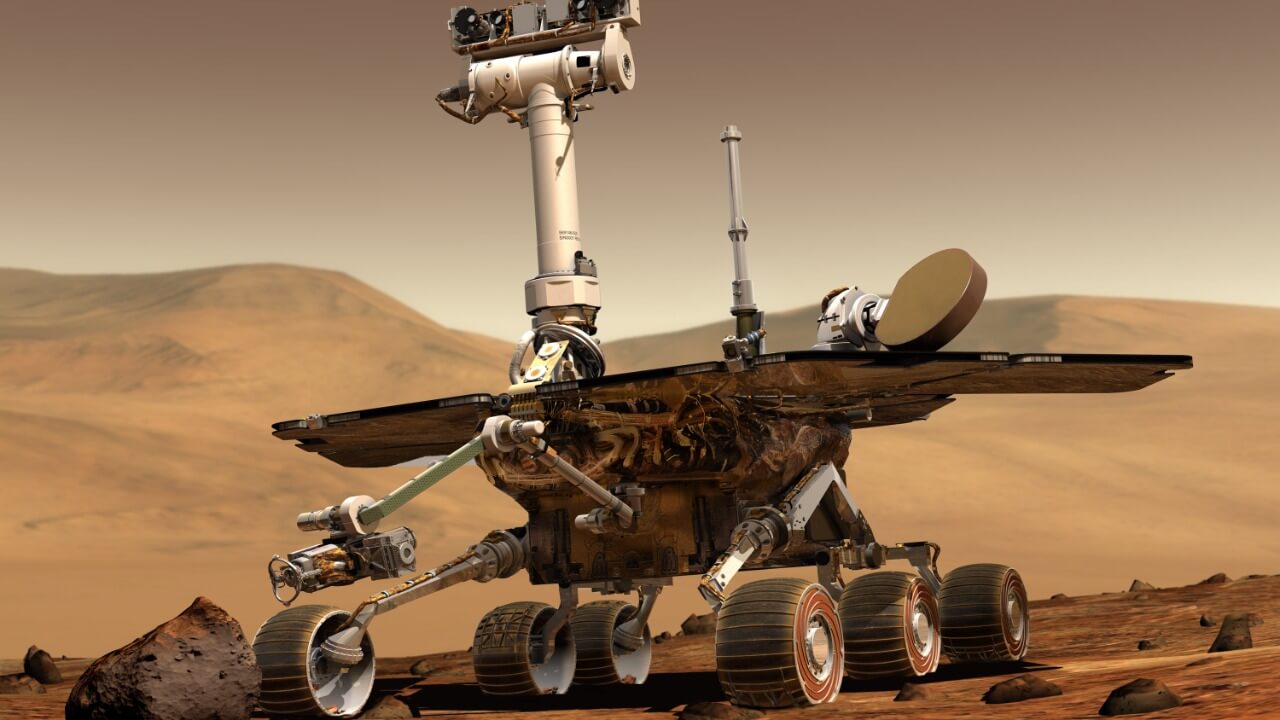

The latest panorama from NASA’s Curiosity rover turns Mount Sharp into a sweeping Martian amphitheater, with light and shadow carving detail into every ridge. Captured from high on the mountain late last year, the view stitches together a full day on Mars into a single frame, revealing a landscape that feels less like an alien world and more like a place I could almost walk into.
What makes this vista so striking is not only its beauty but what it says about Curiosity itself: a veteran robot that has been climbing this mountain for years is still finding new ways to surprise scientists, and the rest of us, with the complexity of Mars.
A layered portrait of Mount Sharp in changing light
From its current perch on Mount Sharp, Curiosity has assembled a composite panorama that spans two Martian days and captures the terrain in morning blue, afternoon orange, and a blended view that fuses both. The image was built from navigation camera frames taken in November 2025, then artfully processed so that the cooler tones trace the early hours, warmer hues mark the later sun, and a central band merges the two into a surreal but scientifically grounded mosaic. NASA described how this artistic recreation combines the morning scene in blue, the afternoon scene in orange, and a composite in the middle, turning a technical dataset into a cinematic sweep of the crater floor and distant hills that surround Mount Sharp.
The vantage point matters as much as the color. Curiosity is climbing a 5 kilometer high mountain of sedimentary rock that rises from the center of Gale Crater, and earlier mission updates highlighted how images of knobbly rocks and rounded hills have delighted scientists as the rover ascends this layered terrain. Those textures are on full display in the new panorama, where buttes and ridges step away toward the horizon, each layer representing a different chapter in Martian history that NASA hopes to decode as Curiosity continues its climb.
Science at the summit: drilling, boxwork, and a “mystery” landscape
The panorama is not just a postcard, it is a context map for active fieldwork. Using the drill at the end of its robotic arm, Curiosity recently collected a rock sample from the top of a ridge near its current overlook, a reminder that every scenic stop on Mount Sharp doubles as a science station. That sampling campaign is unfolding even as engineers keep a close eye on Curiosity’s aging nuclear power source, which has to keep delivering steady energy for the rover’s cameras, drill, and instruments as it pushes higher into thinner air and rougher ground.
The new view also ties into a broader story about the strange geology Curiosity is now probing. Earlier coverage of the mission described how Now Curiosity is exploring a new destination where it will study an unusual landscape called a “boxwork,” a region where erosion has left behind a lattice of harder material that once filled fractures in softer rock. That kind of terrain, along with the “Mystery On Mount Sharp” scene that showed the rover looking toward the upper reaches of the mountain, underscores why scientists are so eager to keep Curiosity moving: each new layer and odd formation offers another test of ideas about how water, wind, and time have sculpted Mars.
A veteran rover still climbing into Mars’ past
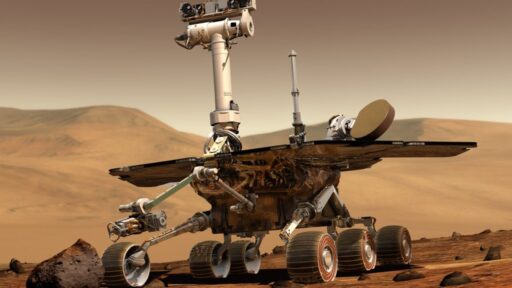
What makes this panorama even more remarkable is how long Curiosity has been at work. The mission’s own technical summary notes that Curiosity is still operational and, as of early January 2026, has been active on Mars for 4,771 sols, or 4,902 total days, since landing. That longevity has turned the rover into a kind of time traveler, not only reading the ancient history locked in Mount Sharp’s rocks but also documenting how the landscape changes with seasons, dust, and light over more than a decade of continuous exploration.
Reaching the current overlook has not been easy. A detailed account of the drive up Mount Sharp explained how a detour around treacherous terrain added a few weeks to the journey, but with no further surprises lurking in wait for Curiosity, the rover crossed the obstacle and opened up new, higher areas for investigation. That careful route finding is part of why the mission is still returning images like the latest panorama, and why NASA’s own updates on how Curiosity explores a changing landscape keep emphasizing the balance between ambition and caution as the rover climbs.
The new vista also reflects a broader storytelling effort around the mission. A Jan feature by Samantha Mathewson highlighted how Curiosity’s navigation cameras were used to assemble the sweeping scene from high on Mars’ Mount Sharp, while a separate Jan post on Facebook showcased the same panorama as a stunning example of what NASA’s Curiosity rover can still deliver. Another Jan report, introduced with the phrase “Using the” to describe the rover’s drill work, tied the image directly to the fresh rock sample on the ridge. Even independent coverage, such as Leonard David’s piece titled Curiosity Mars Rover: Mystery On Mount Sharp, has leaned on these visuals to frame the scientific puzzles that remain. Taken together, along with earlier mission briefings that showed how Images of knobbly rocks and rounded hills trace Curiosity’s path, they reinforce a simple point I keep returning to: more than thirteen years after landing, Curiosity is still climbing, still working, and still sending home views of Mars that reset our sense of what a single rover can do.