
Major television groups and conservative outlet Newsmax are preparing for a high‑stakes clash in Washington over how much of the national audience a single broadcaster should be allowed to reach. At issue is the Federal Communications Commission’s national ownership cap, a decades‑old limit that large station groups argue no longer fits a world dominated by streaming giants and cable bundles. The outcome will help determine who controls the local screens that still shape American politics, culture and community life.
Industry leaders are signaling that they want the cap relaxed or scrapped, while critics warn that loosening it could accelerate consolidation and squeeze out independent and niche voices. The debate is no longer a technical fight over percentages, it is a proxy battle over whether traditional broadcasting doubles down on scale or recommits to diversity in the face of digital disruption.
The ownership cap under fire in Washington
In WASHINGTON, the national ownership cap is moving from regulatory fine print to center stage as broadcast executives and policymakers square off over how concentrated the television business should be. A group representing broadcast television networks and station owners is preparing testimony that argues the current ceiling on national reach is out of step with a marketplace where viewers can turn to cable, satellite and streaming platforms that face no comparable limit. In that testimony, the group’s leader, Curtis LeGeyt, is expected to tell lawmakers it is “past time to level the playing field and eliminate this antiquated restriction,” a line that captures how aggressively the industry is now challenging the cap according to documents cited in testimony.
Supporters of change argue that the cap, which limits how many local stations a single company can own based on the percentage of U.S. households they reach, was designed for an era when broadcast signals were the only game in town. They say that in a world where Netflix, YouTube and other digital platforms can reach virtually every home, singling out broadcasters for strict national limits distorts competition and undermines their ability to invest in local news. LeGeyt has framed the current rules as unfair to the “broadcast and cable ecosystem,” a phrase that underscores how traditional players see themselves locked in a broader fight with unregulated tech rivals, a point echoed in coverage of the planned Capitol Hill appearance in recent reporting.
Major station groups, Nexstar and the Tegna test case
The most concrete test of how far consolidation might go if the cap is eased is the proposed tie‑up between Nexstar and Tegna. Nexstar last year put forward a $3.54 billion acquisition of Tegna that would create the largest U.S. regional TV station owner, knitting together dozens of local outlets under a single corporate umbrella. For Nexstar, the deal is a logical extension of a strategy that has already made it a dominant force in local broadcasting, with scale that helps negotiate better carriage fees and spread the cost of news gathering across a wider footprint.
Regulators have treated the Nexstar and Tegna proposal as a bellwether for how aggressively they will enforce or reinterpret ownership limits while the broader rulemaking plays out. The Federal Communications Commission is already seeking to reform rules that limit local TV station ownership, a process that intersects directly with the national cap debate and will shape whether deals of this size become routine or remain exceptional. The fact that the Nexstar plan surfaced just as the FCC began reviewing its framework has turned the transaction into a live case study for lawmakers and advocates who worry that relaxing the cap could encourage a wave of similar mergers, a concern highlighted in coverage of the proposed deal.
Newsmax, conservative media and political stakes
Newsmax’s presence in the ownership cap debate underscores how intertwined media structure and partisan politics have become. The conservative channel, which has built a loyal audience by positioning itself as an alternative to both mainstream networks and Fox News, is aligning with major broadcasters in arguing that the cap should be scrapped or significantly loosened. Its executives contend that larger national footprints would allow outlets like theirs to compete more effectively with entrenched cable brands and digital platforms, a stance that reflects the channel’s broader push to expand its influence within the right‑leaning media ecosystem, as seen in coverage of Newsmax.
The channel’s brand is closely associated with conservative activism, including its presence at events like the National Rifle Association’s annual convention, where a Newsmax booth has broadcast as attendees tried out guns on display. That imagery, captured in reporting on the NRA gathering, illustrates how the outlet blends political messaging with cultural signaling to its audience, and why expanded reach through relaxed ownership rules could have outsized implications for the tone of national debate. For critics, the prospect of a more consolidated conservative broadcast landscape raises concerns about echo chambers and misinformation, while supporters argue that giving Newsmax and similar outlets more room to grow would counterbalance what they see as liberal bias in other media, a tension reflected in coverage of the network’s role at the NRA convention.
FCC reform push and the Trump administration’s posture
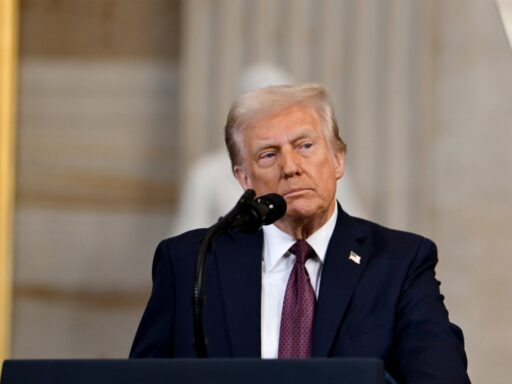
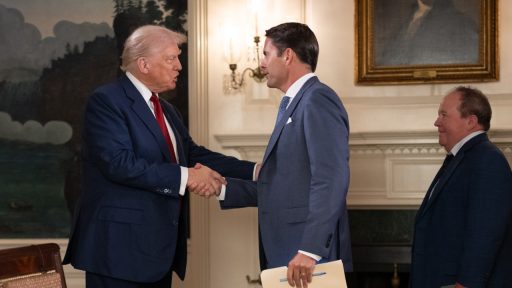
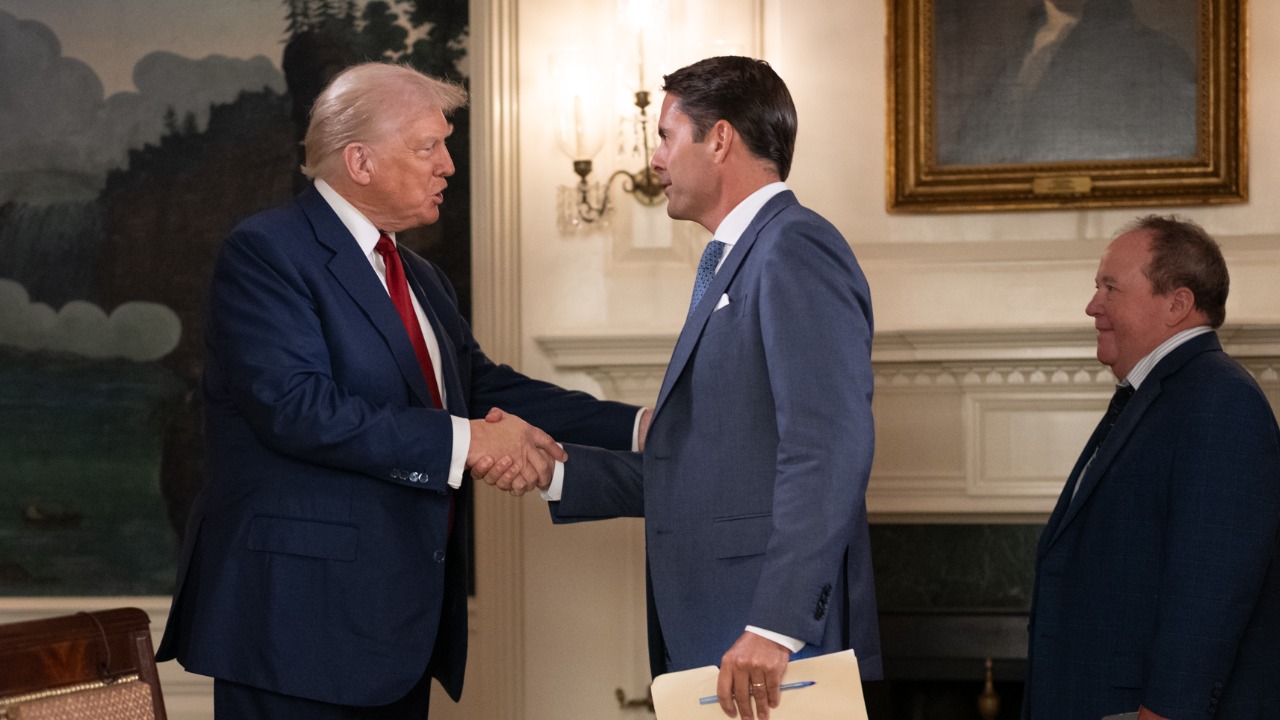
The Federal Communications Commission sits at the center of this fight, with its current leadership signaling an openness to revisiting long‑standing ownership rules. As the agency weighs changes to both local and national limits, it is doing so in a political environment shaped by President Donald Trump’s vocal interest in media coverage and perceived bias. The administration’s broader deregulatory posture has encouraged large broadcasters to press their case that legacy caps should be rolled back, and it has raised expectations in some corners of the industry that the FCC will be more sympathetic to consolidation than in previous eras, a dynamic reflected in reporting on the administration’s stance.
Industry advocates frame their push as a matter of survival in a marketplace where tech platforms and subscription services face few structural limits, while public interest groups warn that the FCC risks undermining localism and diversity if it moves too quickly. The agency’s review of the Nexstar and Tegna proposal, its broader rulemaking on local station ownership, and its handling of the national cap are now intertwined, creating a complex regulatory puzzle with high political stakes. Any decision to relax the cap will be read not only as a technical adjustment but as a statement about how the Trump administration believes media power should be distributed in an era of intense partisan polarization and rapid technological change, a theme that has surfaced repeatedly in coverage of the FCC’s evolving approach.
Religious broadcasters, Trinity and the diversity argument
Not all support for eliminating the national ownership cap comes from giant commercial chains. Religious and niche broadcasters have also stepped into the debate, arguing that more flexible rules could help them preserve and expand their presence on the dial. Trinity, a faith‑based broadcaster, has stressed that for more than 50 years it has owned and operated stations that deliver religious programming free of charge to viewers in local communities, and it warns that rigid caps can make it harder to sustain that mission. From this perspective, allowing trusted operators to reach more households could actually protect, rather than diminish, the range of viewpoints available on broadcast television.
Advocates for Trinity and similar outlets argue that the real threat to diversity comes from the unchecked growth of global streaming platforms that can outspend and outmaneuver small broadcasters. They contend that if the national cap is not modernized, faith‑based and other specialized voices will be squeezed between rising programming costs and fragmented audiences, ultimately ceding ground to a handful of tech giants. That argument has been amplified in industry commentary that frames cap reform as a way to prevent “big tech” from overwhelming local and niche content, a line of reasoning reflected in the National Association of Broadcasters’ blog discussion of religious broadcasters.