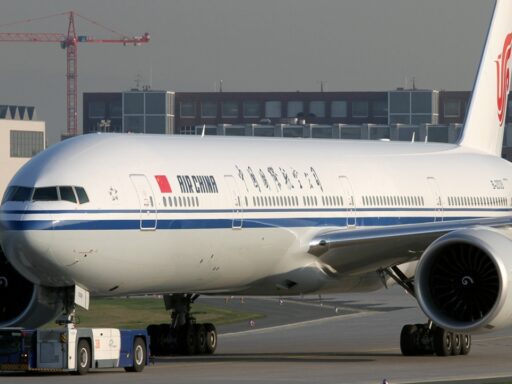


Boeing, the iconic US aerospace manufacturer, has encountered a series of production setbacks and financial strains that have intensified calls for federal support. Analysts argue that a targeted US government investment in Boeing could safeguard critical national capabilities amid escalating global competition. That perspective has gained urgency as the company’s operational problems collide with strategic concerns about industrial resilience and national security.
Boeing’s Recent Operational Hurdles
Boeing’s commercial aircraft operations have been hit by a combination of labor unrest and supply chain disruption that has slowed output and strained cash flow. A machinists’ strike that halted production lines for key programs, including high volume single-aisle jets, contributed directly to delivery shortfalls at a moment when airlines were counting on new capacity to meet passenger demand. The stoppage compounded earlier production quality issues and regulatory scrutiny on safety, leaving Boeing with fewer aircraft to invoice and weakening its ability to absorb fixed costs across its factories.
Financially, the impact has been stark, with quarterly losses exceeding 1 billion dollars as management absorbed penalties, rework costs and supplier compensation tied to missed schedules and grounded aircraft. Those losses, which analysts linked to supply chain bottlenecks and ongoing safety related inspections, have eroded investor confidence and limited the company’s room to invest in new products or manufacturing upgrades. As Airbus has continued to deliver narrowbody and widebody jets at a steadier pace, Boeing’s market share in crucial segments has slipped, raising the risk that a temporary operational crisis could harden into a long term competitive disadvantage for the US aerospace sector.
Strategic Value to US National Security
Beyond commercial aviation, Boeing is a primary supplier of military aircraft, including fighters and bombers that anchor long term contracts with the Department of Defense. The company’s portfolio of tactical jets, surveillance platforms and strategic airlifters is deeply embedded in US force planning, and any sustained weakening of its industrial base would ripple through Pentagon procurement schedules and readiness assumptions. A fragile Boeing balance sheet could delay upgrades, complicate sustainment of existing fleets and reduce the bargaining power of US defense planners who rely on a robust domestic manufacturer for sensitive technologies.
The geopolitical context heightens those concerns, since reliance on domestic manufacturing is seen as a way to avoid vulnerabilities in supply chains that were exposed by recent global tensions and trade frictions. Boeing’s factories and engineering centers support over 140,000 US jobs across multiple states, tying local economies and specialized suppliers to the health of a single corporate anchor. Preserving that ecosystem, which includes high skill machinists, avionics specialists and composite materials experts, is central to arguments that a targeted federal investment would not simply rescue one company but would reinforce a broader industrial network that underpins both national security and export strength.
Economic Rationale for Government Involvement
Supporters of intervention point to historical precedents in US aviation policy to argue that a carefully structured federal role in Boeing’s recovery would fit within established practice. During earlier crises, Washington extended loans and guarantees to airlines and aerospace firms to stabilize critical transportation infrastructure and prevent cascading job losses, and analysts now see a similar logic in proposals for a government stake or backstop in Boeing. In their view, the company’s current troubles, from strike related shutdowns to safety driven delivery delays, justify a temporary public role that would be paired with strict performance benchmarks and oversight.
Advocates also frame the case as an investment rather than a bailout, highlighting potential returns in exports and innovation. A detailed commentary on why a US investment in Boeing could make financial sense argues that stabilizing the company would protect a major source of high value manufactured exports while enabling renewed spending on next generation, more sustainable aviation technologies. Those technologies, which range from advanced composite airframes to lower emission propulsion systems, could generate long term fiscal benefits through higher productivity, licensing income and a stronger trade balance. Time sensitive factors, including upcoming federal budget cycles and trade negotiations that will shape market access for US aircraft, make 2025 a pivotal window for action compared with prior periods when policymakers opted to wait.
Potential Pathways and Stakeholder Perspectives
Policy specialists have outlined several potential structures for a federal investment that would balance the use of public funds with corporate accountability. One option would involve the Treasury taking an equity stake in Boeing, similar to past crisis era interventions, in exchange for commitments on governance reforms, safety culture improvements and domestic production levels. Another pathway centers on low interest loans or loan guarantees that would lower the company’s financing costs while preserving private ownership, paired with clear triggers for repayment and restrictions on dividends or share buybacks until performance targets are met.
Stakeholders across the spectrum are already positioning themselves around these ideas, reflecting both the risks and perceived necessity of intervention. Union leaders representing machinists and engineers have signaled that any federal support should come with strong worker protections, including job security clauses and training investments that would modernize skills for new aircraft programs. Investors, while wary of dilution from a potential equity infusion, have indicated conditional support for recovery plans that would restore Boeing’s ability to compete with Airbus and reduce the probability of more disruptive outcomes such as large scale layoffs or asset sales. A separate analysis on why a US investment in Boeing aligns with national industrial policy notes that ethical concerns over subsidizing a private entity are increasingly weighed against a shifting policy discourse that prioritizes aerospace resilience over earlier austerity focused approaches.