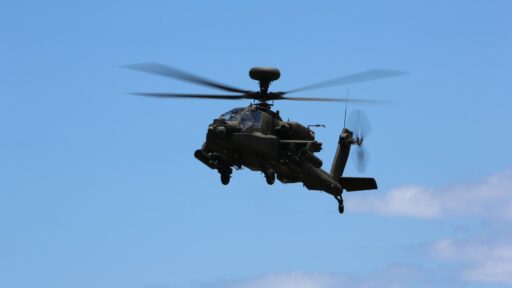
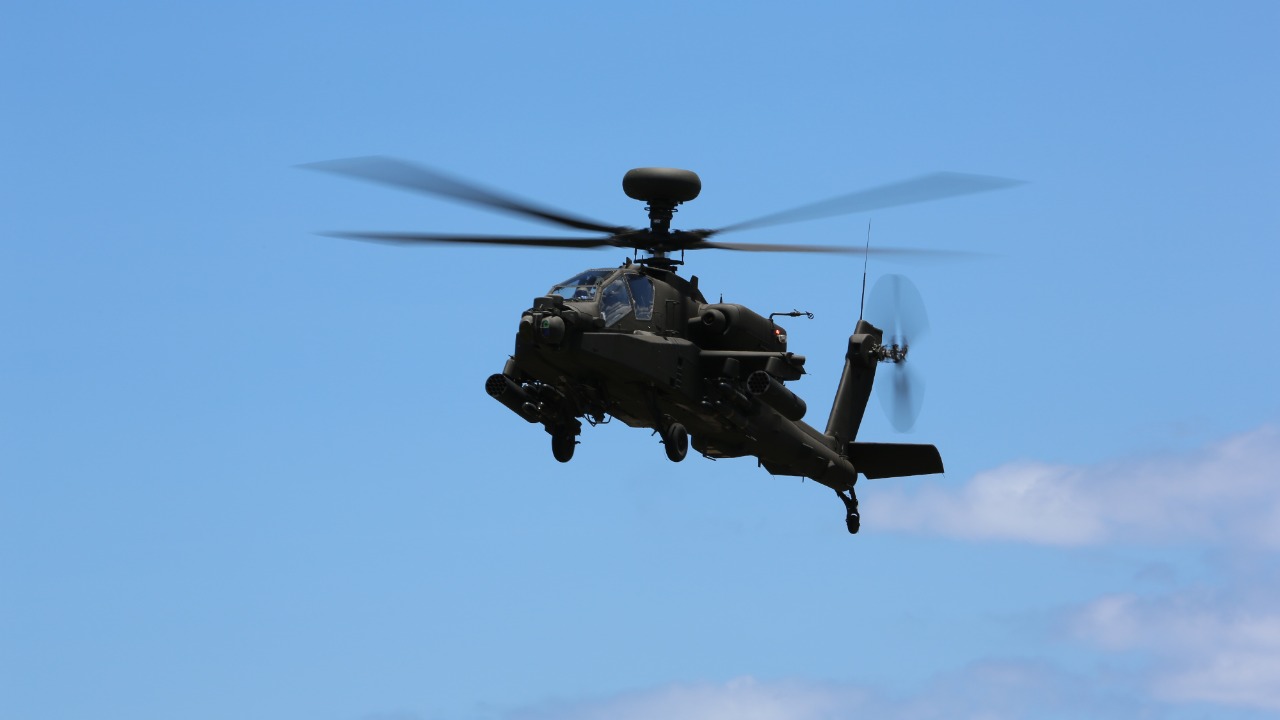

The Australian Army has officially welcomed its first AH-64E Apache attack helicopters into service, marking a pivotal upgrade to its aerial combat capabilities as of late 2025. The new fleet replaces aging assets and significantly enhances the force’s precision strike and reconnaissance options in regional operations, following years of procurement planning, testing, and integration work.
Procurement History and Timeline
The decision to acquire the AH-64E Apache attack helicopter grew out of a long-running effort to modernize the Australian Army’s armed reconnaissance and close air support fleet, a process that began in the early 2010s with detailed capability studies and alliance consultations. Defence planners identified that the existing Tiger ARH platform, while advanced for its time, was struggling with availability, sustainment costs, and interoperability requirements that were becoming more demanding in joint and coalition operations. Those early assessments framed a program that would eventually lead to a multi‑billion‑dollar commitment to the AH-64E, with a defined number of airframes intended to fully replace the Tiger ARH squadrons and provide growth capacity for future mission sets.
According to reporting on the entry into service of the first aircraft, the Australian government confirmed Boeing as the supplier of the AH-64E in 2014, locking in a path that aligned the Army with a platform already in widespread use among key partners such as the United States and the United Kingdom. The program then moved through several phases of approvals and budget adjustments, with some schedule pressure created by competing defence priorities before more recent fiscal decisions accelerated delivery and allowed the first helicopters to be inducted into service in late 2025. That timeline underscores how the Apache acquisition has been treated as a long-term structural investment in Army aviation rather than a short-term replacement purchase, with each milestone reinforcing Canberra’s intent to field a mature, interoperable attack helicopter capability.
Delivery and Initial Fielding
Reporting on the first AH-64E arrivals states that the initial batch of helicopters was formally inducted into Australian Army service on 2025-11-28, a date that now anchors the transition from legacy platforms to the new attack fleet. The exact number of aircraft in this first tranche is tied to the broader production and training schedule, with the delivery sized to stand up an initial operational capability while leaving room for subsequent batches to expand the fleet and support deeper training pipelines. These helicopters have been based at a primary Army aviation hub in Australia, where existing infrastructure, simulators, and maintenance facilities could be adapted to support the Apache’s specific requirements without delaying frontline readiness.
The handover of the first aircraft involved a formal acceptance process that brought together senior Australian defence leaders and representatives from Boeing, underscoring that the AH-64E program is both a sovereign capability upgrade and an industrial partnership. During the ceremony, officials certified that the helicopters had met the operational readiness criteria agreed in the acquisition contract, clearing them to begin unit-level training and integration activities rather than remaining in a purely test status. That immediate shift into structured pilot and maintainer training signalled that the program has moved decisively from acquisition paperwork to active deployment, with the first crews now working to translate the platform’s technical potential into usable combat power.
Technical Upgrades and Capabilities
The AH-64E model entering Australian service incorporates a suite of advanced avionics, sensors, and weapons integration features that distinguish it from both earlier Apache variants and the Tiger ARH it replaces. As described in coverage of the Australian induction of the type, the AH-64E brings a modern digital cockpit, upgraded mission computers, and a data architecture designed to share information rapidly with other aircraft and ground units, which is central to the Army’s push toward networked operations. The helicopter’s radar and electro‑optical systems provide long‑range target detection and identification in complex environments, giving crews the ability to find and engage threats while remaining masked by terrain or weather, a capability that is particularly valuable in the varied landscapes of the Indo‑Pacific.
In addition to its sensor and avionics improvements, the AH-64E is configured to carry a broad mix of precision weapons that can be tailored to specific missions, from anti‑armour engagements to close air support for ground forces. Reporting on the Australian program notes that the E‑model’s enhancements over prior Apache versions include improved survivability features, more efficient engines, and multi‑role versatility that allows the same airframe to shift between strike, escort, and armed reconnaissance tasks without extensive reconfiguration. Those characteristics align closely with the Australian Army’s modernization goals, which emphasize resilient platforms that can plug into joint and coalition networks, operate at extended ranges, and survive in contested airspace while still delivering accurate firepower in support of land operations.
Integration with Australian Systems and Training
The arrival of the AH-64E has required a deliberate effort to integrate the new helicopters with existing Australian Army command, control, and communications systems, ensuring that the aircraft can operate as part of a broader joint force rather than as a standalone asset. Coverage of the type’s entry into service in Australia highlights that the Apache’s digital backbone is being connected to ground control networks and battle management systems so that targeting data, surveillance feeds, and mission updates can flow in real time between pilots, ground commanders, and other aircraft. That integration work is central to the Army’s concept of operations, which relies on fast, accurate information sharing to coordinate manoeuvre units, artillery, and aviation in complex regional contingencies.
Training has been structured around that same integrated approach, with the first Australian Apache pilots and maintainers moving into conversion courses that combine simulator time, classroom instruction, and live‑flight events on the newly delivered aircraft. The reporting on the helicopters’ entry into service indicates that these initial training activities began immediately after the formal handover, reflecting a desire to build a cadre of experienced crews who can then help expand the force as additional airframes arrive. For soldiers on the ground, the stakes are significant, since the quality and tempo of Apache training will directly influence how quickly the Army can field fully capable attack helicopter units that are ready to deploy alongside infantry, armour, and special operations forces.
Operational Impact and Future Plans
The first AH-64E helicopters are being assigned to established Australian Army aviation regiments, where they will gradually replace Tiger ARH aircraft and form the core of new attack and reconnaissance squadrons. According to the detailed account of how the first AH-64E Apache attack helicopters enter service with Australian Army, the deployment strategy for the initial fleet includes participation in domestic training exercises and joint drills with regional partners, which will help crews refine tactics and validate the platform in realistic scenarios. Those early operational activities are expected to focus on integrating the Apache into combined arms teams, testing its ability to coordinate with artillery, unmanned systems, and ground manoeuvre elements in the kinds of missions Australian forces are likely to face in the Indo‑Pacific.
Looking ahead, the program is structured around expansion phases that will see additional AH-64E deliveries scheduled through 2027, supported by long‑term sustainment and training contracts designed to keep the fleet viable over decades of service. The reporting on the helicopters’ induction into Australian service notes that these future tranches will deepen the Army’s attack aviation bench, allowing more units to field the Apache and giving planners the flexibility to deploy aircraft for regional presence missions, multinational exercises, and, if required, combat operations. For Australia’s broader defence posture, the growing Apache fleet is intended to strengthen deterrence by providing a visible, credible strike and reconnaissance capability that is interoperable with key allies, while also anchoring industrial and training partnerships that tie the country more closely into the global ecosystem supporting the AH-64E.