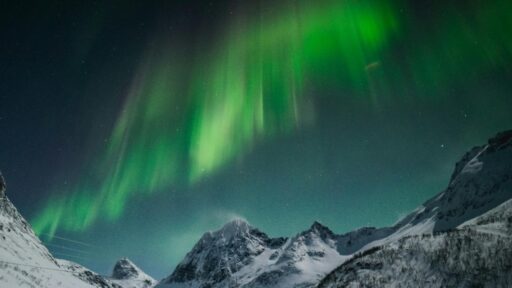
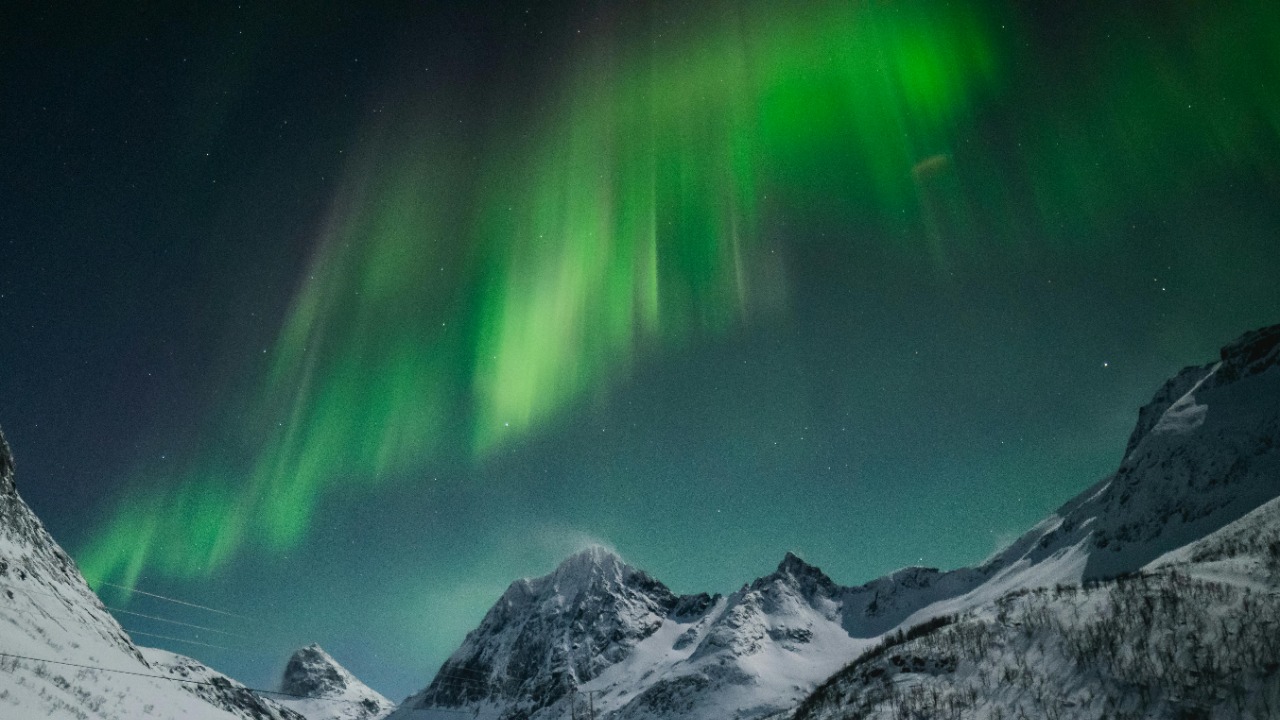

A small boost in northern lights activity could enhance aurora viewing opportunities this weekend from Dec. 5 to Dec. 7 across northern U.S. regions. Recent reports that northern lights may be visible in 15 states on Dec. 3 signal potential for continued geomagnetic activity into the following days, a modest uptick compared with earlier quiet periods that urges skywatchers to prepare for possible sightings farther south than usual.
Recent Aurora Visibility
Forecasts that northern lights may be visible in 15 states Dec. 3 point to a clear influence from recent coronal mass ejections and elevated solar wind streams brushing past Earth. That projection, which extended aurora visibility well beyond the typical high-latitude zones, reflects a geomagnetic environment that is already primed, rather than a sudden, isolated flare-up. For observers, the fact that auroras were expected across such a broad swath of the country is a strong signal that the magnetosphere is still responding to earlier solar eruptions, setting the stage for lingering activity into the Dec. 5 to Dec. 7 window.
The geographic reach of those 15 affected states, stretching from the northern Plains through the Upper Midwest and into parts of the Northeast and interior Northwest, marks a noticeable shift from the subdued auroral activity that dominated prior weeks. Instead of being confined to Alaska and the northernmost fringes of the continental United States, the auroral oval was forecast to dip far enough south that residents in multiple U.S. time zones had a realistic chance of seeing the lights on the northern horizon. That expansion provides a practical baseline for weekend projections, because any residual geomagnetic disturbance that persists into Dec. 5 to Dec. 7 is most likely to favor the same belt of states that already brushed the edge of visibility earlier in the week, giving residents there a second opportunity if they missed the earlier display.
Forecast Details for Dec. 5-7
Looking ahead to Dec. 5 to Dec. 7, the most likely scenario is a small northern lights boost driven by the lingering effects of the geomagnetic disturbances that made auroras possible in those 15 states on Dec. 3. As the solar wind from recent coronal mass ejections continues to interact with Earth’s magnetic field, the overall disturbance level should gradually taper, but not necessarily drop back to the very quiet conditions that preceded this week’s activity. That pattern favors modest enhancements in auroral activity during the early weekend, particularly during the hours after sunset when the sky is darkest and the geomagnetic field on the nightside of Earth is best positioned to channel energetic particles toward the poles.
Space weather models that track the evolution of these disturbances suggest Kp index levels around 3 to 4 for much of the Dec. 5 to Dec. 7 period, a range that signals minor geomagnetic activity rather than a full-fledged storm. For skywatchers, Kp 3 to 4 typically means that auroras remain strongest over Canada and the far northern tier of the United States, but faint arcs or subtle glows can occasionally dip into the same states that were highlighted in the Dec. 3 outlook. The stakes for observers are straightforward: while this is not the kind of event that will reliably light up skies over major cities far from the auroral oval, it is strong enough that anyone in the northern U.S. with a clear, dark horizon to the north has a reasonable chance of catching at least a low-level display if they plan carefully around the forecast.
Timing and Best Places to Watch
For the Dec. 5 to Dec. 7 window, the most favorable viewing times will cluster in the hours after local sunset and before midnight, when the sky is fully dark and the auroral oval often intensifies on the nightside. Early evening, roughly between 7 p.m. and 11 p.m. local time, tends to offer the best balance between darkness and the typical peak in geomagnetic activity, although short-lived bursts can occur later at night as well. That timing matters for practical reasons: it allows many people in the northern U.S. to step outside for a quick check of the northern horizon without committing to an all-night vigil, while photographers and dedicated aurora chasers can plan longer sessions around those peak windows.
Geographically, the highest odds of seeing any weekend boost will lie within or just north of the same 15 states that were flagged for potential visibility on Dec. 3, since those locations already sit near the edge of the auroral oval during modest disturbances. Residents in the northern parts of states such as those in the Upper Midwest, the northern Plains, and the interior Northwest should prioritize locations with unobstructed views to the north and minimal light pollution, such as rural fields, lakeshores, or public lands away from city centers. For communities in these regions, even a faint auroral arc can become a shared local event, drawing people to parks and overlooks and reinforcing the value of preserving dark skies that make such natural displays easier to see.
Viewing Tips and Precautions
To maximize the chances of catching any auroral activity from Dec. 5 to Dec. 7, I recommend heading to dark-sky locations within or near the 15 states highlighted in the Dec. 3 reports, since those areas are already positioned close to the auroral boundary during minor disturbances. Rural sites at least 20 to 30 miles from major metropolitan light domes will dramatically improve visibility, especially for the subtle, low-contrast glows that accompany Kp 3 to 4 events. For local tourism boards and park managers in these regions, the prospect of a weekend aurora boost is an opportunity to encourage responsible nighttime visitation, provided visitors respect quiet hours and follow posted rules about parking and access.
Equipment choices can also make a significant difference. While the human eye may only register a pale gray or greenish arc, a modern mirrorless camera such as a Nikon Z6 II or Sony A7 III, paired with a fast wide-angle lens and long exposures of 5 to 15 seconds, can reveal vivid colors and structure that would otherwise go unnoticed. Smartphone users can experiment with dedicated night modes or apps that allow manual control of ISO and shutter speed, turning even a faint display into a shareable image. Real-time aurora alert apps like SpaceWeatherLive, My Aurora Forecast, or NOAA’s own dashboards can help observers track short-term changes in Kp and solar wind conditions, giving them a better sense of when to step outside rather than waiting in the cold for hours without guidance.
Weather and Safety Considerations
Weather will be a decisive factor in whether the Dec. 5 to Dec. 7 aurora boost translates into actual sightings, since even a modest layer of cloud can completely obscure the northern horizon. While the Dec. 3 outlook anticipated clearer conditions in parts of the 15-state visibility zone, the weekend pattern may differ, with some regions facing increasing cloud cover or fog after sunset. That variability raises the stakes for planning: skywatchers should consult local cloud cover forecasts and satellite imagery on the day of their outing, then be ready to adjust plans by driving an hour or two toward clearer skies if conditions allow.
Safety is another key consideration, particularly for those traveling to remote dark-sky sites at night. Drivers should ensure their vehicles are prepared for winter conditions, with full fuel tanks, charged phones, and emergency kits that include warm clothing, blankets, and basic supplies. Once on site, it is important to park well off the roadway, use hazard lights sparingly to preserve night vision, and avoid shining bright white flashlights into other observers’ fields of view. For communities along rural highways and near popular overlooks, a modest uptick in nighttime traffic during an aurora event can create new risks, making coordination between local authorities, park staff, and visitors essential to keep the experience both memorable and safe.