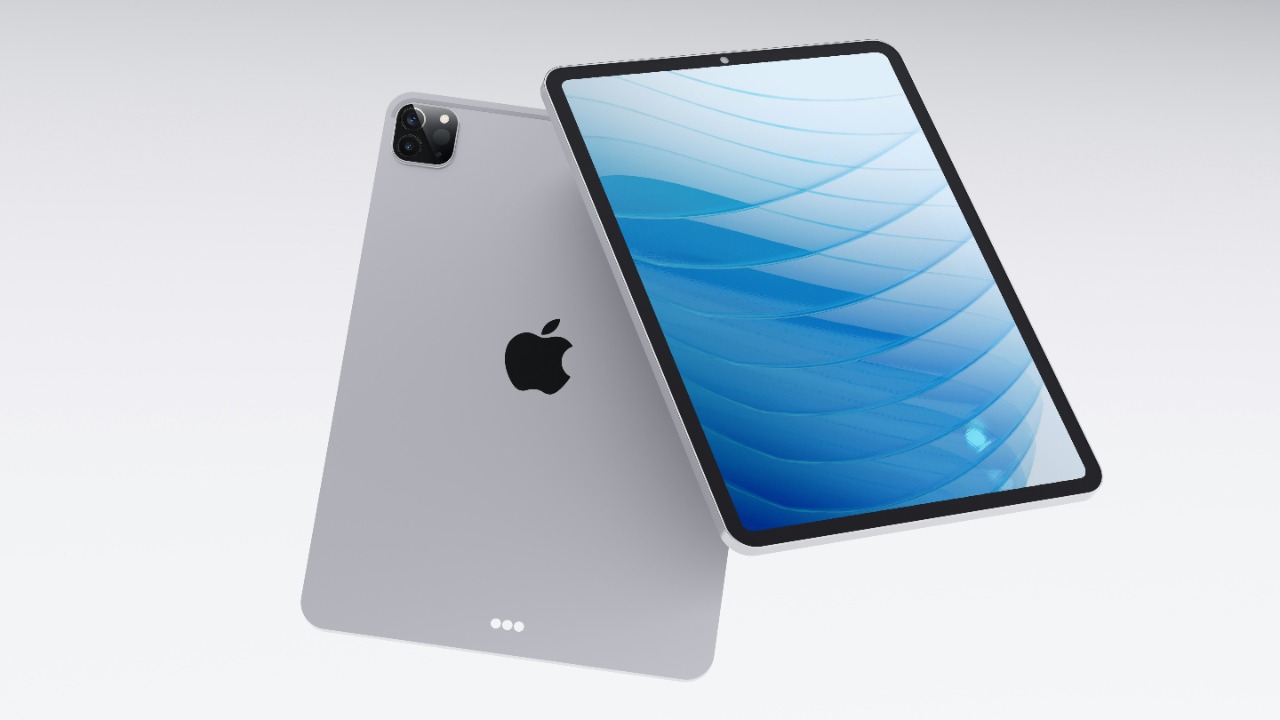

Sixteen years after Steve Jobs walked on stage with a thin glass slab in his hands, the iPad has shifted from curiosity to a quiet fixture of everyday computing. What began as a single “Magical & Revolutionary Device” has become a family of tablets that sit between phones and laptops, reshaping how people read, watch, work, and learn. As the original model hits its sixteenth birthday, I find it useful to look back at how deliberately Apple built this category and how far the device has traveled from that first demo.
The anniversary is not just a nostalgic milestone. It is a reminder that the iPad arrived into a world of netbooks and desktop-bound software and helped normalize touch-first computing long before phones grew into today’s pocket computers. The choices Apple made in 2010, from pricing to software constraints, still echo through the modern tablet market and through the way the company now positions the iPad alongside the Mac.
The day Apple decided tablets were ready
The modern iPad story starts with Apple CEO Steve Jobs stepping on stage in San Francisco and pulling a new device out of a leather chair, positioning it squarely between the iPhone and the MacBook. In the official PRESS materials, Apple framed the product with the phrase “Apple Launches iPad” and leaned hard on the promise of a “Magical & Revolutionary Device” that would make browsing, email, photos, and video feel more intimate than on a laptop. The company also stressed that this was not a luxury experiment, calling out an “Unbelievable Price” and a starting point of just $499 to make clear it was meant for a broad audience rather than a niche of early adopters.
That positioning was not accidental. The first iPad was described as a 1st Generation product from Developer Apple, but it arrived with a level of polish that made it feel finished on day one. The Smithsonian’s own Description of the device notes that On January Steve Jobs, the CEO of Apple Inc, announced a touch driven tablet with a dock connector used for recharging, a combination that signaled Apple’s intent to make the hardware feel as approachable as an iPhone but capable enough to replace casual laptop use.
From “Magical & Revolutionary Device” to everyday computer
Sixteen years on, the iPad’s biggest achievement may be how ordinary it now feels. When I look at how people use tablets in 2026, they are less likely to talk about magic and more likely to talk about whether their child’s school apps run smoothly or whether a stylus works well for annotating PDFs. Yet the original framing of the iPad as a “Magical & Revolutionary Device” in the early RELEASE still matters, because it set expectations that a tablet should not just be a shrunken laptop or a stretched phone. That expectation pushed app makers to rethink interfaces for touch, from news apps that mimicked magazines to early drawing tools that treated the glass as a sketchbook.
Over time, Apple has tried to reconcile that original simplicity with demands for more power. The company’s own software evolution, including the arrival of iPadOS 16, has layered on features like desktop class apps, external display support, and more flexible multitasking. Those changes are a tacit admission that the iPad is no longer just a consumption device. It is now expected to handle video editing, digital illustration, and even software development, roles that would have sounded ambitious when the first model was introduced as a simple slate for browsing and media.
How one product reshaped personal computing
When I trace the broader impact of the iPad, the most striking shift is how it normalized the idea that a computer could be primarily touch based. Reporting on the device’s sixteenth anniversary notes that 16 years ago Apple introduced the iPad and quietly reshaped personal computing, helping to define the modern tablet market and pushing rivals to rethink their own hardware and software. That influence is clear in how 2 in 1 Windows machines now flip and detach, and in how Android tablets have chased similar form factors, all following the template Apple set with its original News making device.
That same analysis, echoed in a separate look at how 16 years ago Apple introduced the iPad and quietly reshaped personal computing, underscores that the tablet did not replace the PC so much as it carved out a new layer in the stack. The iPad became the machine people reach for on the couch, in the classroom, or on a plane, while laptops and desktops remained for heavier work. By defining that middle ground, Apple gave itself room to experiment with accessories like keyboard covers and pencils, and it gave developers a reason to build touch first versions of productivity tools that now feel routine. The ripple effects of that choice still define the modern tablet market in Apple centric and rival ecosystems alike.
The original hardware, preserved and reinterpreted
One way to appreciate how far the iPad has come is to look at how the first model is now treated as an artifact. The Smithsonian’s collection entry for an “iPad Tablet Computer with Adapter” offers a concise Description that captures the basics: On January Steve Jobs, the CEO of Apple Inc, announced the release of their first generation iPad, a touch driven tablet with a dock connector used for recharging. That combination of a glass front, aluminum back, and proprietary connector now feels almost quaint in an era of edge to edge displays and USB C, but it also highlights how much of the original design language has endured in today’s models.
Technical references to the iPad (1st generation) underline that this was a deliberate starting point rather than a one off experiment. Developer Apple treated the device as the 1st Generation in a line that would quickly expand into multiple sizes and capabilities, from the smaller mini to the high end Pro. Yet the core idea of a thin, battery efficient slab optimized for touch input has remained intact. When I compare that first hardware to current models that support advanced stylus input and high refresh rate displays, the continuity is as striking as the change.
Sweet sixteen, from Steve Jobs to today’s iPadOS
The sixteenth anniversary has also prompted a wave of retrospectives that tie the original keynote to the current state of the platform. One widely cited piece notes that Tuesday January 27, 2026 8:49 am PST by Hartley Charlton marked sixteen years since Apple CEO Steve Jobs unveiled what was then described as the company’s “revolutionary” tablet. That framing matters because it shows how the narrative has shifted from a single charismatic launch to a broader conversation about how the device fits into Apple’s lineup and into people’s lives.
Another reflection on how Apple’s original iPad is celebrating its sweet sixteen points back to the same starting price of just $499 and notes how that decision helped the tablet undercut many laptops of its era. The piece, which sits alongside a Related Story Apple iPhone 18 Launch Plan Should Be To Absorb DRAM Costs And Use The Market Chaos To Its Advantage, Analyst Be, uses that historical context to argue that Apple still thinks carefully about how to price new categories. By anchoring the iPad’s debut as a mainstream product rather than a boutique gadget, Apple created a base that could later support premium variants without losing sight of the original starting price that made the category viable.