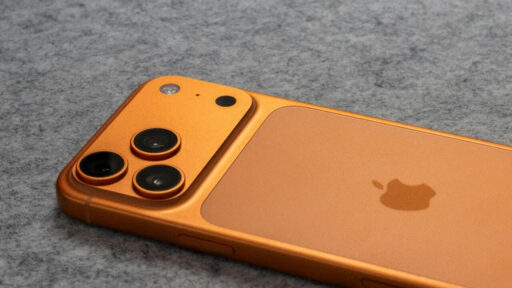

Apple has removed Night mode from Portrait mode on the iPhone 17 Pro, quietly dropping a popular camera capability that debuted five years ago and had become a staple of its low-light photography toolkit. The change leaves iPhone 17 Pro owners without the dedicated low-light portrait option that earlier Pro models offered, and Apple has so far declined to explain why the feature disappeared. As users test the new phone in real-world conditions, many are already describing the move as a downgrade for a device marketed around advanced imaging.
Background on Night Portrait Mode
Night Portrait mode was designed to merge Apple’s computational Night mode with Portrait mode’s depth mapping, giving users low-light portraits with enhanced exposure and background blur in a single tap. Since its introduction, the feature has been framed as part of a broader push to make complex photography techniques automatic, so that dimly lit scenes at evening events or indoor gatherings could still produce sharp, flattering portraits without manual tweaking. Over successive iPhone generations, Night Portrait mode became a default expectation in the Camera app, rather than a niche extra for enthusiasts.
As the feature matured, Apple expanded its ability to handle bokeh effects and subject isolation, so that faces remained crisp while backgrounds fell away into a cinematic blur even in challenging light. That evolution helped Night Portrait mode become a go-to option for social media posts and more polished shots, giving casual users a way to approximate the look of dedicated cameras in bars, restaurants, or city streets after dark. The removal of that integrated experience on the iPhone 17 Pro therefore affects not only technical capabilities but also the everyday workflows of people who had built their photo habits around it.
The Quiet Removal in iPhone 17 Pro
The change surfaced as reviewers and early buyers noticed that the iPhone 17 Pro’s Portrait interface no longer triggered Night mode in low light, even in scenes where previous models would have automatically blended the two. Reporting that Apple has removed Night mode from Portrait mode on the iPhone 17 Pro describes the shift as a quiet rollback of a five-year-old capability, rather than a clearly signposted redesign. Instead of a new toggle or replacement feature, users are simply finding that the familiar yellow Night mode indicator does not appear when they switch into Portrait mode in dark environments.
Additional coverage notes that the iPhone 17 Pro loses Night Portrait mode feature across the lineup, affecting all variants through the latest iPhone update without any advance mention in public beta software. That timing suggests the removal is a deliberate software decision rather than a hardware limitation tied to a specific sensor or lens. For buyers who upgraded from earlier Pro models expecting every existing tool plus new ones, the discovery that a core low-light portrait option has vanished is shaping perceptions of the 17 Pro’s camera as a step sideways instead of a clear leap forward.
User Reactions and Confusion
As more people put the iPhone 17 Pro through its paces, frustration is mounting over what one report describes as your iPhone 17 Pro is missing a five-year-old camera feature. Users who routinely relied on Night Portrait mode for concerts, weddings, or nightlife photography are now encountering unexpected gaps in their low-light options, with portraits either too noisy or too dark compared with what they captured on older devices. That contrast is particularly stark for those who upgraded from recent Pro models and immediately noticed that familiar scenes no longer trigger the same automatic enhancements.
Social media posts and forum threads are highlighting the disappointment, with early adopters calling the change “a downgrade” and questioning why a flagship phone would lose a capability that had become standard. Coverage that Apple’s latest iPhone quietly drops a popular camera feature underscores how the removal limits creative portrait work in nighttime scenarios that the feature previously handled with minimal effort. For photographers who built their style around shallow depth of field in dim light, the absence of Night Portrait mode is not just a missing icon in the interface, it is a constraint on the kind of images they can reliably produce with the default camera app.
Apple’s Silence on the Decision
So far, Apple has not issued any public explanation for the change, even as coverage notes that Apple cuts Night mode Portraits on iPhone 17 Pro as users look for answers. Unlike previous iOS camera updates that spelled out new behaviors or deprecated features in release notes, the company has left the removal unaddressed, leaving photographers and reviewers to infer the rationale from the behavior of the software. That silence is fueling speculation about whether the omission is temporary, perhaps pending a future update, or a permanent shift in how Apple wants users to shoot in low light.
Other reporting characterizes the move as Apple having dropped a key iPhone 17 Pro camera feature, and no one knows why, a framing that captures the tension between the company’s marketing of the 17 Pro as a cutting-edge camera system and the unexplained loss of a marquee tool. For professionals and enthusiasts who plan gear purchases around predictable feature sets, the lack of transparency complicates decisions about upgrading or standardizing on the new model. It also raises broader questions about how stable Apple’s computational photography feature lineup really is from one generation to the next.
Implications for iPhone Photography
The immediate impact of the removal is that iPhone 17 Pro owners must now choose between standard Night mode and Portrait mode in low light, rather than benefiting from a combined option that handled both exposure and depth effects. Reporting that the latest iPhone drops a popular camera feature suggests that some users may turn to third-party camera apps that offer manual control over shutter speed, ISO, and simulated bokeh to recreate similar results. That shift could erode the advantage of Apple’s default Camera app as the one-stop solution for both casual snapshots and more stylized photography, especially among creators who post regularly to platforms like Instagram and TikTok.
At the same time, coverage that Apple removed a Night mode photo feature from the iPhone 17 Pro points to a possible refocus on other camera priorities, such as video performance or ultra-wide improvements, even if that comes at the cost of established still-photo tools. Photographers who depend on consistent low-light portrait output may need to adapt by shooting in standard Night mode and adding depth effects later, or by adjusting their lighting setups to compensate. For both casual and professional users, the change alters the calculus of whether the iPhone 17 Pro is the best fit for low-light portrait work, and it underscores how quickly software decisions can reshape the strengths and weaknesses of a flagship camera phone.