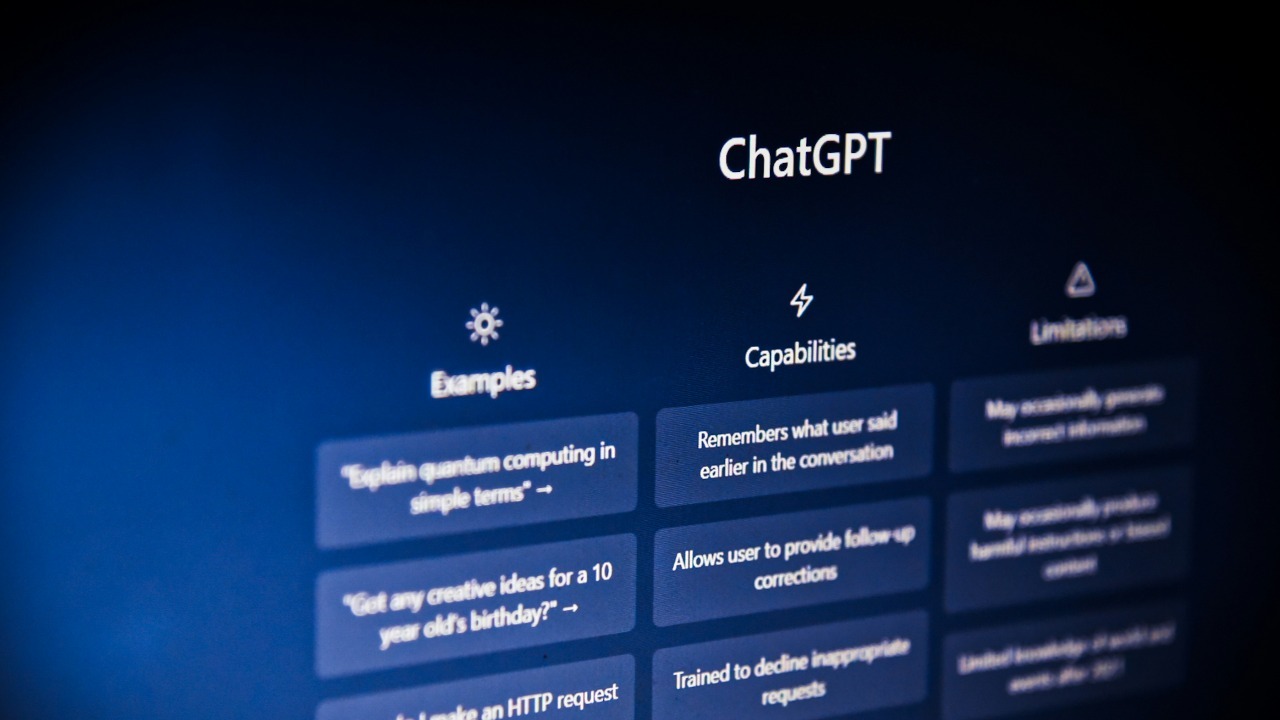

Anthropic is turning the Super Bowl into a referendum on how AI should make money. While OpenAI prepares to sell Ads inside ChatGPT, Anthropic is spending millions on prime-time television to mock that very idea and pitch Claude as the alternative. The clash is not just about marketing tactics, it is about who gets to define the business model and values of the next dominant computing interface.
By buying One 30-second spot on NBC during Super Bowl LX and using it to parody ad-stuffed AI chats, Anthropic is betting that public unease about surveillance-style targeting will outweigh the appeal of a free, ad-supported chatbot. OpenAI, for its part, is moving ahead with a plan to weave commercial messages into everyday conversations, arguing that Ads are the only realistic way to fund free access at scale. The result is a rare moment when the industry’s deepest strategic divide is playing out in front of more than 100 million viewers.
Anthropic’s Super Bowl swing at OpenAI
Anthropic has never bought a Super Bowl ad before, so its decision to debut during Super Bowl LX with Claude is a statement about both ambition and positioning. Reporting describes One 30-second spot on NBC that leans into a thinly veiled jab at chatbots that interrupt users with irrelevant pitches, a clear reference to OpenAI’s plan to embed Ads inside conversations even though OpenAI is never named directly in the script. The campaign is framed as a defense of uncluttered, user-first AI, with Anthropic signaling that if a chatbot ever started pushing products in the middle of a sensitive exchange, people would be right to stop using that product altogether, a line that underlines how central trust has become to AI branding One.
Strategists who have seen the creative say Anthropic did not buy a Super Bowl slot to win the living room in a single night, but to plant a flag in the industry conversation about what AI should feel like. Analyses of the campaign argue that Anthropic is “playing another game,” using the Super Bowl as a stage to sell an institutional posture rather than a single product feature, and that choice is consistent with a company that has long pitched itself as the safety-first foil to OpenAI Anthropic. In that reading, the ad is less about driving Claude sign-ups on game night and more about telling regulators, enterprises, and the broader public that there is a version of AI that will not quietly turn into another ad-tech funnel.
A parody of “intrusive” AI advertising
The creative concept of Anthropic’s campaign is straightforward: show what it feels like when a supposedly helpful assistant suddenly starts hawking products. A Quick Summary of the Super Bowl spots describes Claude-style assistants that interrupt users with absurd pitches, including a conversation about serious topics that is derailed by a suggestion to buy something as trivial as a guide about achieving six-pack abs, a gag that lands because it mirrors the worst instincts of current online advertising. By exaggerating that scenario, Anthropic is inviting viewers to imagine a future in which every query to an AI system is another opportunity for behavioral targeting, and then positioning Claude as the brand that refuses to cross that line Quick Summary.
On social platforms, Anthropic has leaned into that tone, with previews of the Super Bo clips promising that Anthropic is planning to throw serious shade at OpenAI during the Super Bowl and inviting viewers to share their own frustrations with ad-saturated feeds. They emphasize that They are not just selling a chatbot, they are selling a philosophy about how AI should behave in intimate contexts like health, finance, or education, where a stray sponsored suggestion could feel especially manipulative Super Bo. Commentators note that Anthropic never names OpenAI in the spots, which is strategically smart because it keeps the message focused on values rather than on a rival’s brand, even as the industry reads the ads as a direct response to ChatGPT’s monetization plans Anthropic.
Inside OpenAI’s ChatGPT ad play
OpenAI has been laying the groundwork for this clash for more than a year, and the company has been explicit that Ads are not a side experiment but a core pillar of ChatGPT’s future. Earlier planning documents and job postings showed that OpenAI is building an advertising infrastructure for ChatGPT, with the timeline pointing to 2026 as the year when that system would start to matter commercially, a shift that moves the chatbot from a pure subscription model toward something closer to a search engine business advertising infrastructure. Analysts have gone further, with one breakdown titled The Projected Math arguing that OpenAI sees ads as a core pillar, not a side hustle, and projecting up to 25 Billion dollars in ad-related revenue by 2029 if ChatGPT becomes a default interface for information and commerce The Projected Math.
The public rollout began earlier this year, when OpenAI announced it will begin testing ads within ChatGPT in the coming weeks, with Ads slated to appear at the bottom of the chatbox for logged-in adults in the United States using the free and Plus tiers. The company framed the move as a way to expand access without raising subscription prices, pointing to the high infrastructure costs of running large models and the need for a sustainable revenue stream to keep the free tier alive Ads. In a detailed policy note, OpenAI stressed that it is not launching ads at full scale yet but will start testing in the coming weeks, inviting users to rate each ad and tell the company why they liked or disliked it, and promising that the initial experiments will be limited to adults in the U.S. on the free and Plus plans not launching ads.
How ChatGPT ads actually work so far
For now, ChatGPT’s commercial layer is still in its infancy, but the contours are becoming clear. A Frequently Asked Questions explainer notes that When ChatGPT ads launched, OpenAI limited testing to a small share of users and placed the first units at the bottom of the conversation window, rather than inside the model’s generated text, and that Limited rollout means there is no self-serve platform yet for advertisers to buy placements directly. That cautious approach suggests OpenAI is trying to avoid the perception that it is turning the chatbot into a billboard overnight, even as it gathers data on what formats and targeting rules users will tolerate inside such a personal interface Frequently Asked Questions.
Marketing analysts have already begun advising brands on how to plug into this new channel, with one breakdown titled Is Testing Ads arguing that OpenAI Is Testing Ads in ChatGPT for users on the free tier and that Here is What is Really Going On: the company needs a scalable way to monetize the enormous volume of free queries, and those infrastructure costs keep climbing as models grow more capable. That same analysis frames ChatGPT as a new kind of commercial interface, one where sponsored recommendations could eventually sit alongside organic answers in a way that blurs the line between neutral advice and paid placement, a prospect that makes Anthropic’s parody of intrusive pitches feel less hypothetical and more like an early warning Is Testing Ads.
The ethical and political stakes of AI ads
Beyond the business logic, OpenAI’s move has triggered a wave of concern from researchers who see a new vector for manipulation. One analysis warns that OpenAI will put ads in ChatGPT in a way that opens a new door for dangerous influence, arguing that as the chatbot becomes central to its business and to everyday information-seeking, subtle tweaks in how sponsored content is presented could shape opinions without users realizing they are being targeted. The piece, which invites readers to Republish under a Creative Commons license and cites a DOI for academic tracking, stresses that the combination of personalized prompts and opaque model behavior makes AI advertising qualitatively different from traditional banner ads or search results DOI.