
A sprawling winter system is bearing down on the United States, threatening to upend air travel from Texas to New England just as airlines head into a busy winter weekend. Carriers are already warning of mass cancellations and long delays as they reposition planes and crews ahead of what forecasters describe as a long lasting, high impact storm. With hundreds of airports in the potential impact zone, the industry is racing to blunt the disruption before the worst weather arrives.
Meteorologists expect the storm, named Winter Storm Fern in some airline alerts, to combine bitterly cold air with heavy snow, ice and strong winds across key aviation corridors. Airlines are responding with broad fee waivers, flexible rebooking policies and early schedule cuts, signaling that they expect serious operational strain rather than scattered, routine winter hiccups.
The storm’s massive footprint over core aviation hubs
Forecasters describe an extremely cold airmass colliding with a frontal boundary to create “a large, long-duration winter storm tracking from the Southern Plains to the Northeast and Mid-Atlantic regions,” a setup that virtually guarantees widespread aviation fallout across the central and eastern United States. As this system sweeps from Texas through the Ohio Valley and into the Northeast, it is expected to dump heavy snow and ice along a path that includes some of the country’s busiest air corridors, with the storm’s core likely to linger over major population centers through the early part of next week, according to detailed outlooks on the evolving winter storm. That track puts pressure on both point to point routes and the hub and spoke networks that move passengers and crews around the country.
Weather analysts warn that this is not a narrow band event but a truly Historic system, with “200M+ in path of dangerous snow, ice” and the potential to “paralyze travel for days” across highways and airports alike. Separate lake effect snow is already affecting areas downwind of the Great Lakes, which span the US border with Canada, adding another layer of complexity for flights into cities like New York City. Logistics analysts at freight firms are already warning that as a potent winter storm barrels toward the central and eastern United States, highways, airports and distribution centers are likely to be major choke points.
Airlines move early with waivers and schedule changes
Airlines are not waiting for the first snowflakes to fall before acting. The five largest U.S. carriers have already issued broad travel advisories for passengers planning to fly Saturday through Monday, signaling that they expect significant disruption across their networks as the storm intensifies, according to a detailed Topline overview of the industry response. Multiple airlines are heeding meteorologists’ warnings and have dropped change fees for affected routes, aligning their policies with guidance from the U.S. Department of Transportation on passenger rights during weather disruptions.
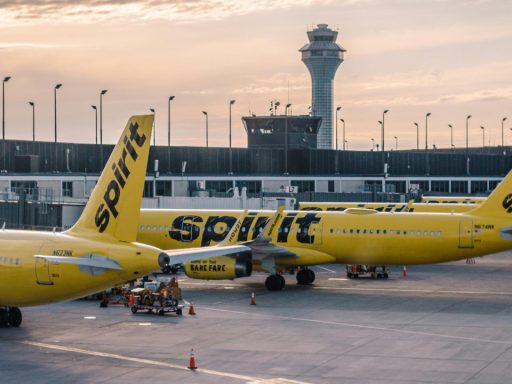
Several large Airlines have alerted customers that they are proactively trimming schedules and waiving change fees ahead of the massive winter system, with carriers such as American, Delta, United, Southwest and Spirit all signaling that they expect knock on effects across their hubs. One advisory notes that tickets rebooked under the waiver must remain in the same cabin and between the same cities as originally booked, a condition echoed in guidance from Southwest Airlines, which has also reminded passengers that additional costs such as hotel stays are not guaranteed in the event of weather cancellations. For travelers, the message is clear: move flights now if possible, rather than waiting to negotiate at the airport counter.
JetBlue and Winter Storm Fern: a case study in early flexibility
Among the most detailed responses so far is the one from JetBlue, which has framed its alerts around Winter Storm Fern and its expected impact on the Northeast. The carrier has rolled out a specific “Winter Storm Fern fee waiver” that covers a long list of cities in the Northeast, as well as a separate “Winter Storm Fern – Northeast fee waiver” and an “MBJ infrastructure fee waiver” tied to disruptions in Montego Bay. The same advisory flags potential Air Traffic Control, underscoring that even flights outside the heaviest snow zones may be slowed by congestion and reroutes.
JetBlue has also told Customers that they may rebook their flights for travel through Wednesday without paying change fees or fare differences, provided they travel within the specified window and route restrictions. That level of flexibility, laid out in the airline’s Winter Storm Fern alerts, is designed to spread demand away from the storm’s peak and reduce the number of passengers stranded at airports. It also reflects a broader industry shift since the pandemic, in which carriers have leaned more heavily on dynamic waivers and self service tools to manage large scale disruptions.
Major hubs, regional airports and the geography of disruption
The storm’s projected path reads like a map of America’s aviation backbone. In the Midwest, major hubs such as Chicago and Detroit are bracing for heavy snow and high winds that could shut down runways and snarl deicing operations. Farther south and east, airports in Atlanta and Charlotte are watching for a mix of rain, ice and snow that can be even more disruptive than pure snowfall, particularly for taxiway and ramp operations. In the Northeast, the combination of coastal moisture and Arctic air is expected to blanket New York City and parts of New England with snow, a scenario that often triggers ground stops and long cascading delays.
Regional airports are also on alert. Officials at Ontario International Airport in Southern California, which sits outside the storm’s direct path, have said they are closely monitoring the situation and stand ready to support airline and federal partners, urging travelers to stay in touch with their carriers as they travel during the government shutdown, according to a statement shared by FlyONT. That kind of posture reflects how even airports far from the snow line can feel the ripple effects when aircraft and crews are trapped elsewhere, and when national air traffic control flow programs slow departures into storm affected regions.
What travelers can expect and how to prepare
For passengers, the practical question is what this all means for trips in the coming days. Live updates from major carriers indicate that Airlines are warning that dozens of airports will be impacted, with some travelers eligible for refunds if their flights are canceled or significantly changed. One update, timestamped at 4:48 EST, notes that major carriers are encouraging customers to use digital tools rather than airport counters, a sign that they expect call centers and gate agents to be stretched thin. Consumer advocates stress that a major winter storm is expected to cause flight cancellations and delays across the eastern United States, and that passengers should understand what Airlines owe them in terms of rebooking and refunds.
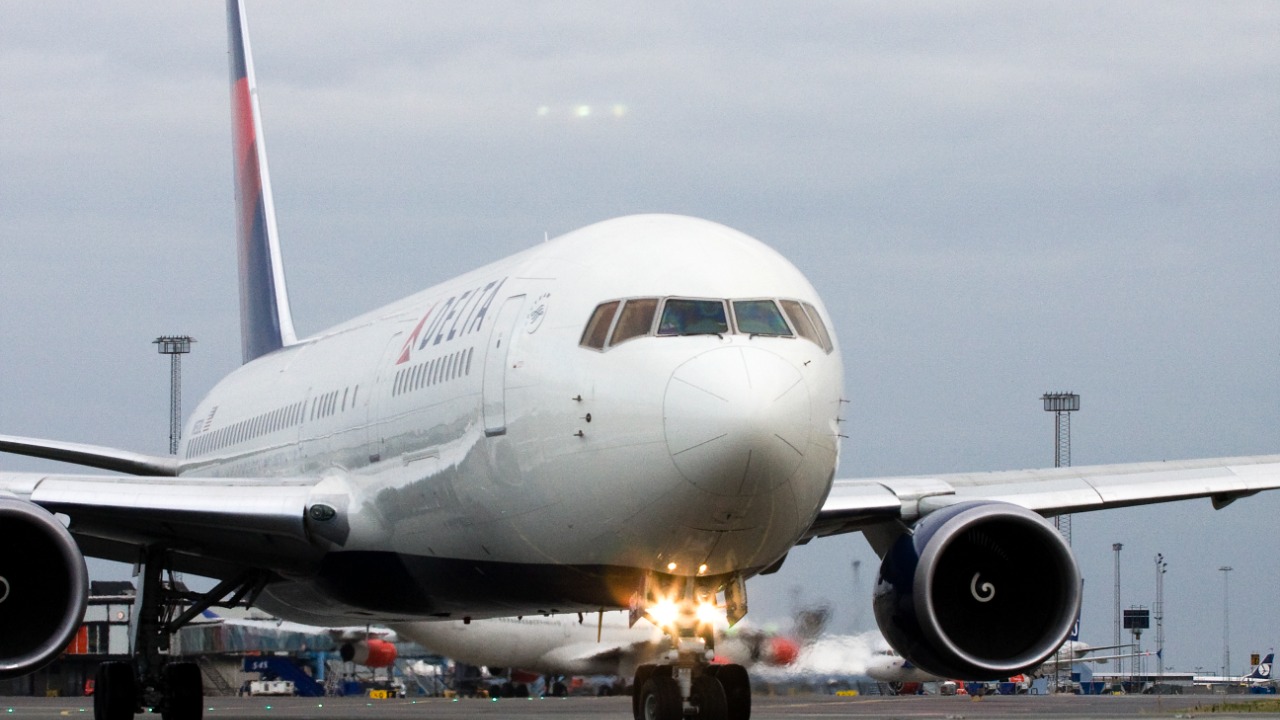
Industry analysts, including those writing By George Gomez and others, note that as this major winter storm advances across the U.S., airlines are moving early with travel waivers but that passengers in the storm’s core may still see disruptions that last well beyond the last snowflake. Travel updates compiled by Image galleries of planes taking off in the snow, credited as Plane photos with Photo Credit to Adobe Stock and reported by Donald Wood, show how quickly conditions can deteriorate at airports from the Midwest to parts of New England. For travelers still planning to fly, the most practical advice is to monitor airline apps from carriers like Delta, lean on self service tools such as JetBlue’s website, and be prepared for plans to change even after arriving at the airport.