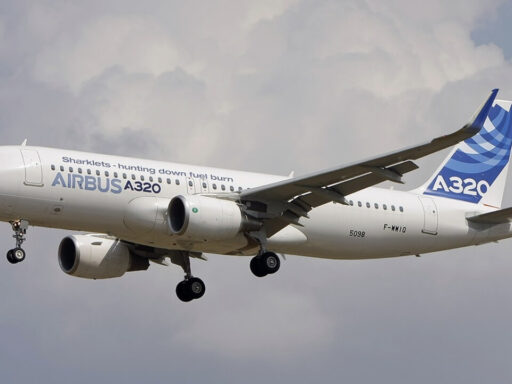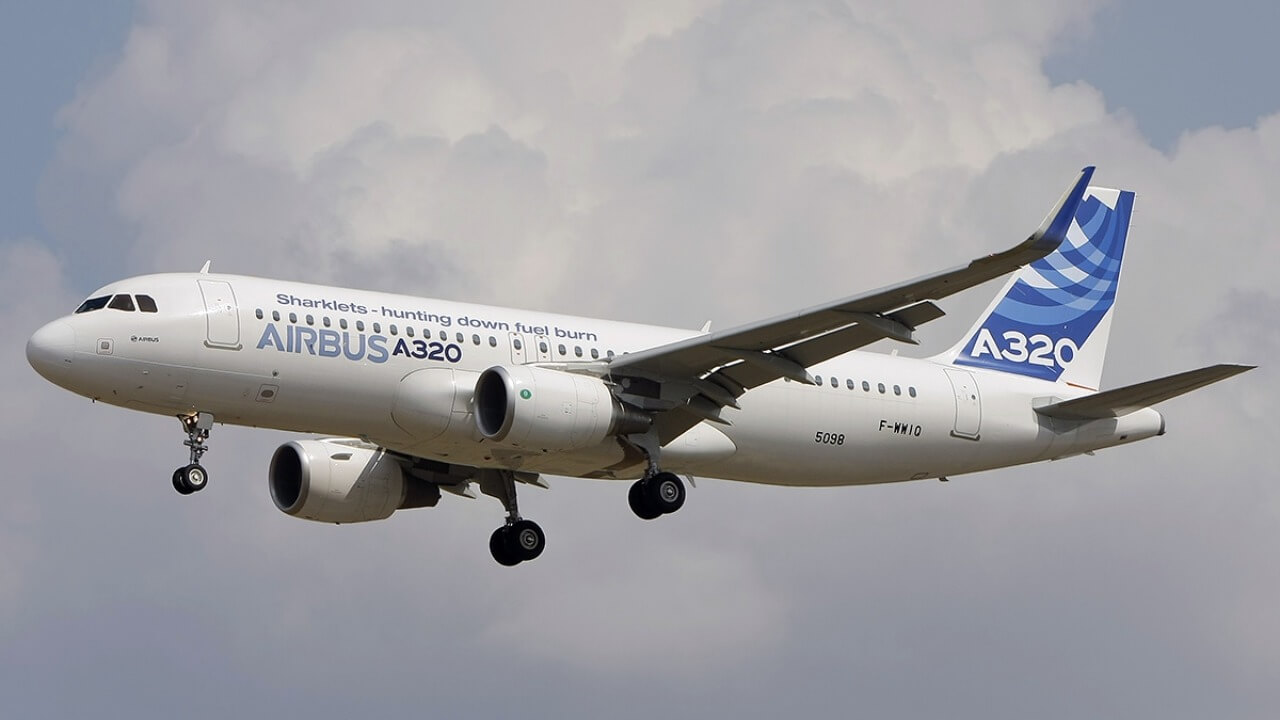

Airbus has completed urgent software fixes that are allowing most grounded A320 family aircraft to return to service after a global software issue triggered precautionary groundings across multiple airlines. American Airlines said on November 29, 2025, that all of its Airbus jets previously sidelined by the problem are now back in operation, signaling a swift recovery from disruptions that rippled through international networks. The rapid rollout of corrective updates, detailed in a new directive from European regulators, has helped restore normalcy to A320 fleets only days after the issue first emerged.
Background on the Global Software Issue
The global software issue that affected the Airbus A320 family led airlines and regulators to ground a significant number of aircraft as a safety precaution. Operators halted flights for specific Airbus jets once the problem was identified in onboard systems, treating the anomaly as a potential risk to flight operations until engineers could fully understand its behavior. Although the exact technical parameters have not been publicly detailed in the available reporting, the scale of the response made clear that the concern was serious enough to justify immediate operational stops rather than incremental restrictions.
Reports on the disruption described its reach across international fleets, with carriers in different regions simultaneously pulling A320 family aircraft from service while they awaited guidance from Airbus and regulators. The episode highlighted how deeply modern commercial aviation depends on complex software, and how a single systemic issue can ripple through schedules, airport operations, and passenger itineraries in a matter of hours. For airlines, the incident underscored the operational vulnerability that comes with highly integrated digital systems, while for regulators it reinforced the need for rapid, coordinated oversight when a shared platform like the A320 family encounters a software fault.
Airbus’s Urgent Response and Fixes
Airbus responded by developing and deploying urgent software fixes that directly addressed the cause of the groundings, allowing affected A320s to be cleared for a return to service. According to reporting on the new European directive, the manufacturer worked with regulators to validate the corrective code and associated procedures so that airlines could apply the updates without delay once approval was granted. The pace of this work, from initial identification of the problem to the rollout of a validated fix, was compressed into a matter of days, reflecting both the operational pressure on airlines and the safety imperative to resolve the anomaly thoroughly.
The company’s efforts culminated in a broad return to service for most grounded A320 aircraft, as detailed in coverage of the A320 return to service after Airbus software fixes and an EASA directive. That reporting describes how the updated software, once vetted, became the basis for regulators to lift restrictions and for airlines to reintroduce aircraft into their schedules. For stakeholders across the industry, the episode serves as a case study in how quickly a manufacturer must mobilize engineering, testing, and documentation resources when a software issue affects a widely used fleet type, and how critical that speed is to limiting both financial losses and passenger disruption.
American Airlines’ Fleet Recovery
American Airlines has been among the first major carriers to confirm a full recovery of its Airbus operations following the software incident. The airline said on November 29, 2025, that all of its Airbus jets grounded by the global software issue are back in service, a milestone that effectively closed the immediate chapter of disruption for its customers and crews. That statement, detailed in coverage of how American Airlines brought all Airbus jets grounded by the global software issue back into service, indicates that the carrier was able to apply the Airbus fixes across its affected fleet quickly enough to avoid prolonged schedule cuts.
For passengers, the airline’s announcement meant the restoration of planned flights on key domestic and international routes that rely on Airbus narrowbodies, reducing the need for last minute aircraft swaps or cancellations. From an operational standpoint, American Airlines’ rapid return to normal Airbus utilization suggests that maintenance teams were able to coordinate closely with Airbus and regulators to implement the software updates and any required checks within tight turnaround windows. The experience is likely to inform how the airline plans for future software related contingencies, including the allocation of technical staff and the design of backup schedules when a fleet wide digital issue arises.
Regulatory Approval and Broader Return to Service
The broader return to service for most grounded A320s has been anchored in a directive issued by the European Union Aviation Safety Agency, which verified the effectiveness of the Airbus software fixes. Reporting on the directive notes that EASA’s approval, issued on November 30, 2025, provided the formal regulatory basis for airlines to bring their aircraft back into operation once the prescribed updates and checks were completed. By codifying the required actions in a single framework, the agency helped ensure that operators across different jurisdictions applied the same technical solution and safety criteria, reducing the risk of inconsistent responses to the same underlying issue.
As airlines complied with the directive and returned aircraft to service, the industry shifted from a period of widespread groundings to a more normalized pattern of operations within just a few days. That rapid transition illustrates how coordinated oversight can limit the duration of a fleet wide disruption, even when the initial response must be conservative to protect safety. For regulators, the episode reinforces the importance of having clear channels to receive data from manufacturers and operators, evaluate software related risks, and translate technical findings into actionable guidance that airlines can implement quickly without sacrificing rigor.