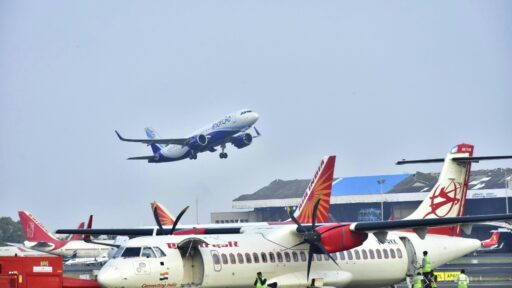
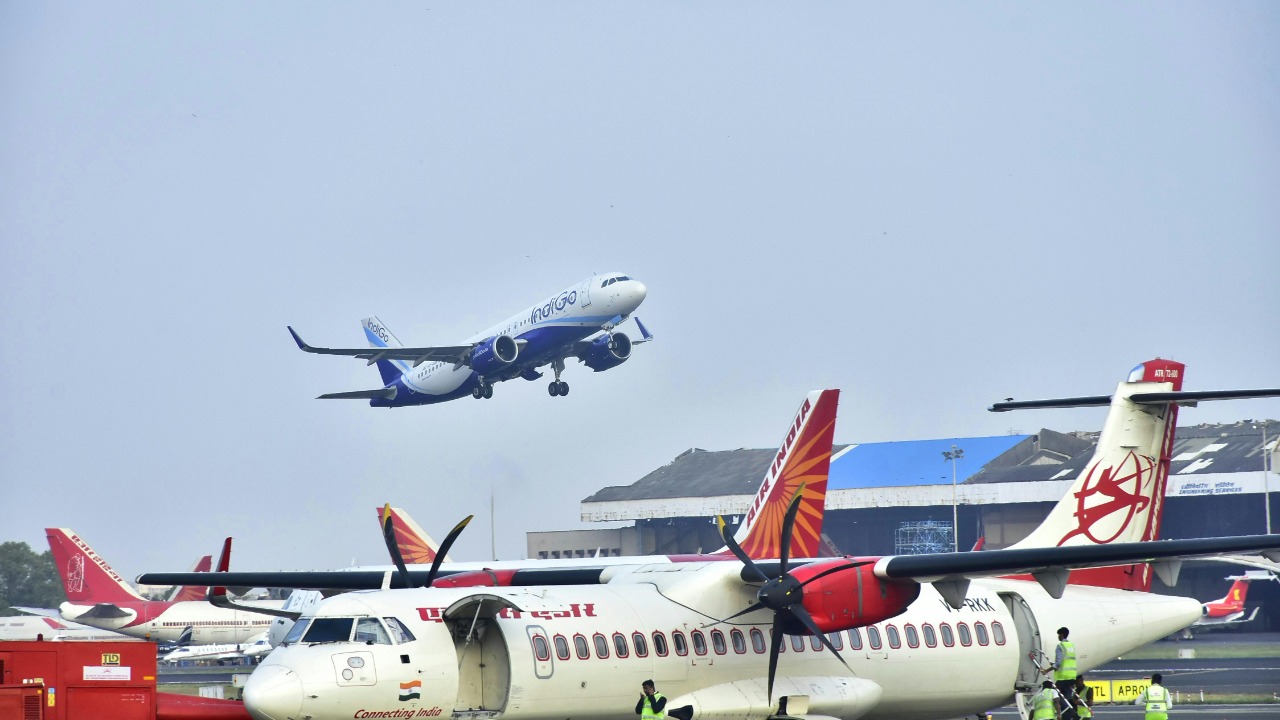

Air India has been slapped with a staggering 13-year parking bill after rediscovering a long-forgotten Boeing 737 that had been sitting unused. The aircraft, which vanished from the airline’s records, was recently located at an airport where it accrued massive fees over the years. This bizarre oversight highlights operational lapses at the carrier amid its ongoing revival efforts.
The Forgotten Flight: How the Boeing 737 Slipped Away
According to detailed reporting on the incident, the long-forgotten Boeing 737 that triggered a 13-year parking bill was initially grounded after being withdrawn from regular commercial service and placed into storage. The aircraft was removed from Air India’s active fleet tracking when it was deemed surplus to requirements, a decision that typically precedes either sale, lease return, or part-out. In this case, the jet was ferried to a storage facility at an airport where it was supposed to await a final decision on its fate, but the follow-up never came, and the aircraft effectively slipped into administrative limbo.
Over time, the 737’s status shifted from “temporarily stored” to “functionally invisible” inside Air India’s internal systems, as fleet management databases were updated to reflect newer aircraft and retire older types. The reporting indicates that as the airline focused on integrating more modern jets and restructuring its operations, the grounded 737 was not migrated correctly into revised tracking tools, which meant it no longer appeared in routine utilization or maintenance planning reports. That breakdown in record-keeping, occurring just as the carrier was undergoing broader organizational changes, created the conditions for the aircraft to remain unaccounted for across the full 13-year period, with direct financial consequences for both the airline and the airport that continued to host the idle jet.
Rediscovery at the Airport
The rediscovery came when Air India staff conducted routine inventory checks at the storage facility and noticed an aircraft that did not match the current fleet lists they were using. As personnel cross-checked tail numbers and historical records, they realized the parked jet was the same Boeing 737 that had been grounded more than a decade earlier and then effectively “lost” in the airline’s documentation. That moment of recognition turned a mundane audit into a high-stakes operational surprise, because the team quickly understood that the aircraft had been occupying valuable apron or remote stand space for years without any active management from the airline’s side.
Airport officials, who had long treated the 737 as a stored asset belonging to Air India, were drawn into the renewed discussions once the airline confirmed ownership. The aircraft’s condition after years of inactivity reflected extended storage rather than active preservation, with visible signs of weathering and the need for extensive checks before any movement. For the airport operator, the confirmation that the jet still belonged to Air India crystallized a long-running issue into a formal financial claim, since the aircraft had been using parking space and associated services throughout the 13-year period, affecting how the airport could allocate stands and plan capacity for other carriers.
Unpacking the 13-Year Parking Bill
Once the ownership and history of the Boeing 737 were confirmed, the airport presented Air India with a parking bill that covered the entire 13-year span the aircraft had remained on site. The reporting describes a cumulative charge that reflected standard daily or monthly parking rates applied continuously over that period, multiplied by the number of days the jet occupied the designated stand. While the exact figure is not disclosed in the available account, the characterization of the bill as “staggering” underscores how quickly long-term storage costs can escalate when an aircraft is left idle without a clear exit plan. For an airline already working to streamline its finances, absorbing a multi-year invoice of this kind represents a significant and unplanned expense.
In addition to basic parking fees, the bill also incorporated ancillary costs that the airport incurred while hosting the dormant 737, including security coverage for the area where the aircraft was stored and periodic checks to ensure it did not pose safety or environmental risks. These add-ons, which are standard in aviation storage arrangements, compounded the total amount owed and highlighted how an apparently passive asset can generate active costs over time. When compared with typical short-term storage arrangements that last months rather than years, the 13-year accumulation illustrates the financial shock that can result when oversight lapses intersect with rigid airport charging structures, with implications for how airlines negotiate long-term parking and how airports enforce their fee schedules.
Air India’s Response and Next Steps
Air India issued an official acknowledgment of the oversight involving the Boeing 737, accepting that the aircraft had remained parked and effectively unmanaged for 13 years while the airline’s internal records failed to reflect its true status. In its response, the carrier indicated that it would open discussions with the airport to review the parking bill and seek a negotiated settlement that recognizes both the formal fee structure and the unusual circumstances that allowed the situation to persist. That stance reflects a balancing act between honoring contractual obligations and protecting the airline’s financial position at a time when it is investing heavily in fleet renewal and service improvements.
Alongside the financial talks, Air India has begun assessing the physical state of the rediscovered 737 to determine whether any residual value can be recovered from the aircraft. Technical teams are evaluating whether the jet can be restored to an airworthy condition, parted out for spares, or scrapped entirely, with each option carrying different cost and revenue implications. The episode has also fed directly into the airline’s broader fleet management reforms under its current ownership, reinforcing the need for tighter asset tracking, more rigorous storage oversight, and clearer accountability for aircraft that are withdrawn from service. For stakeholders, including employees, regulators, and passengers, the case serves as a concrete example of why robust operational governance is central to the long-term credibility of Air India’s revival strategy.