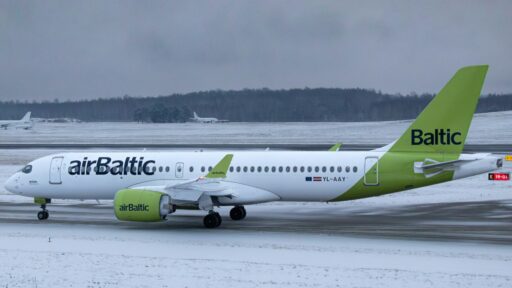
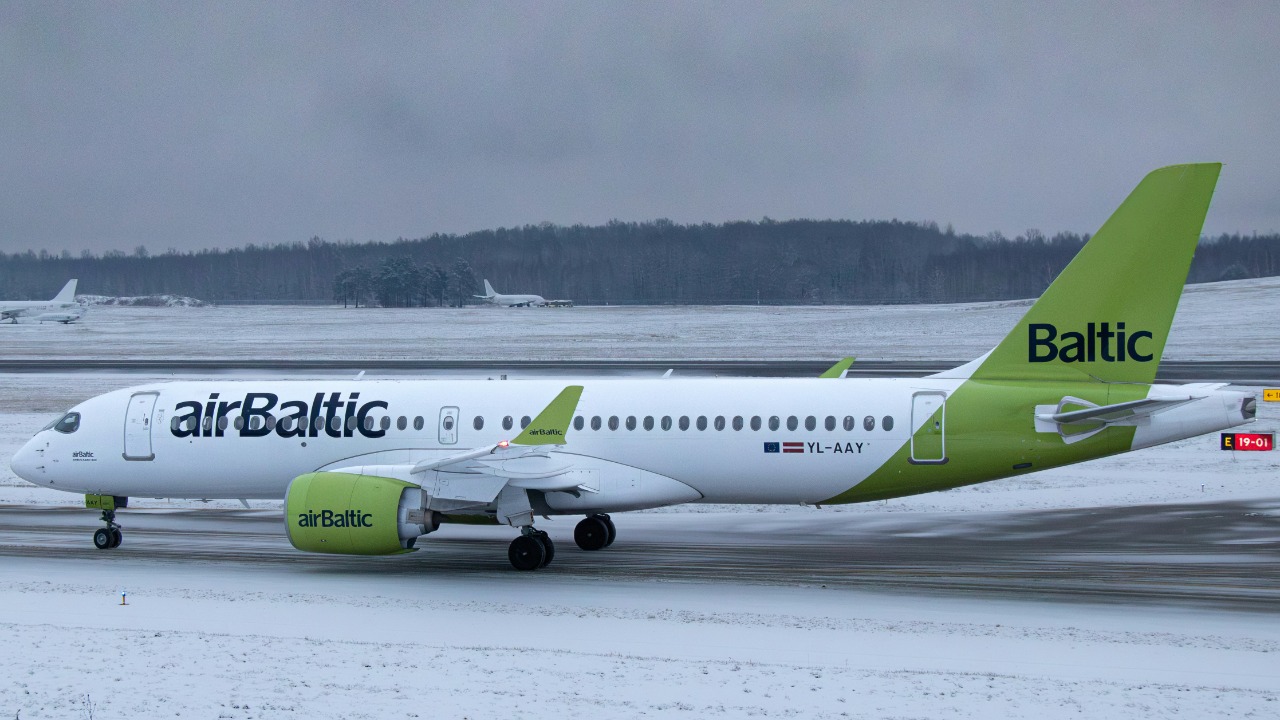

Air India and airBaltic have announced a new codeshare agreement to deepen their existing partnership, enabling expanded connectivity between India and the Baltic region. The move builds on prior collaborations by adding reciprocal flight codes on select routes, which is intended to enhance travel options for passengers across Europe and Asia. The agreement marks a strategic step for both airlines amid growing demand for seamless international networks and more efficient long-haul connections.
Background of the Partnership
Air India and airBaltic first developed their relationship through limited commercial cooperation that focused on connecting their respective hubs and testing demand between India and the Baltic region. Early arrangements were structured around interline or bilateral ties, which allowed passengers to book combined itineraries but did not yet provide the deeper integration that full codesharing offers. Those initial steps created a framework for schedule coordination and basic through-ticketing, giving both carriers insight into passenger flows between Indian cities and destinations served from Riga.
As traffic patterns evolved and demand for travel between South Asia and Northern Europe increased, the two airlines gradually shifted their focus toward mutual route expansion. The new codeshare agreement between Air India and airBaltic is presented as the key milestone that signals a move from limited cooperation to a more integrated partnership. By formalizing reciprocal codes on selected services, the carriers are positioning themselves to respond more directly to market needs, while passengers gain a clearer, branded pathway between India and the Baltic states.
Key Details of the Codeshare Agreement
Under the new arrangement, Air India will place its “AI” code on a series of airBaltic flights that operate from Riga to major European hubs. These routes are expected to include key gateways that already see strong long-haul demand, allowing Air India to effectively extend its virtual network deeper into Europe without deploying additional aircraft. For travelers originating in India, this means that a single Air India flight number can now cover both the long-haul sector into Europe and the onward connection into Riga or other Baltic destinations, simplifying booking and itinerary management.
The agreement is reciprocal, with airBaltic set to place its “BT” code on Air India services from Indian gateways to Europe, subject to the usual regulatory approvals that govern international codeshares. Once those approvals are in place, airBaltic customers will be able to purchase itineraries that carry the BT code from their local departure point through Riga and onto long-haul flights operated by Air India, treating the combined journey as a single, coherent product. Structurally, this deepening of the Air India and airBaltic partnership is designed to align schedules and inventory management so that both airlines can market a broader network while maintaining operational control of their own aircraft.
Benefits for Passengers and Airlines
For passengers, the most immediate benefit of the codeshare is enhanced connectivity, particularly through single-ticket itineraries that cover both carriers’ networks. Travelers booking from Indian cities to destinations in the Baltic region or Northern Europe will be able to check in once, have their baggage tagged through to the final destination, and rely on coordinated customer support if disruptions occur. This kind of integrated journey is especially valuable for business travelers and long-haul leisure passengers, who often prioritize seamless transfers and clear protections over piecing together separate tickets on different airlines.
From an airline perspective, the agreement offers Air India a cost-effective way to access Baltic and Northern European markets without committing additional fleet or launching new point-to-point routes. By leveraging airBaltic’s established presence in Riga and its regional network, Air India can feed its long-haul services with passengers from smaller cities that would not justify direct flights from India. For airBaltic, the partnership brings increased visibility in India and the prospect of additional revenue from feeder traffic into its Riga hub, as Indian passengers connect onto BT-coded flights that distribute them across the carrier’s European network.
Future Implications and Expansion Plans
The new codeshare positions both carriers for growth as international travel continues to recover and reshape in the post-pandemic environment. With the structural framework now in place, Air India and airBaltic can explore further integration steps such as coordinated marketing campaigns, shared digital booking tools, and potential alignment of airport services. Industry practice suggests that once a codeshare is established and performing well, airlines often move to add features like lounge access reciprocity and frequent flyer benefits, which would further increase the appeal of the combined network for high-value customers.
Looking ahead, the partners have signaled that the agreement is designed to be scalable, with room to add more routes and city pairs as demand patterns become clearer. Additional European gateways could be brought into the arrangement, and more Indian origin points might be linked to Riga through Air India’s long-haul services, creating a denser web of connections over time. By framing the codeshare as part of a broader strategy to deepen their partnership, Air India and airBaltic are also setting a template that other regional carriers in Europe and Asia may follow, using targeted alliances to extend their reach without the complexity of full mergers or joint ventures.