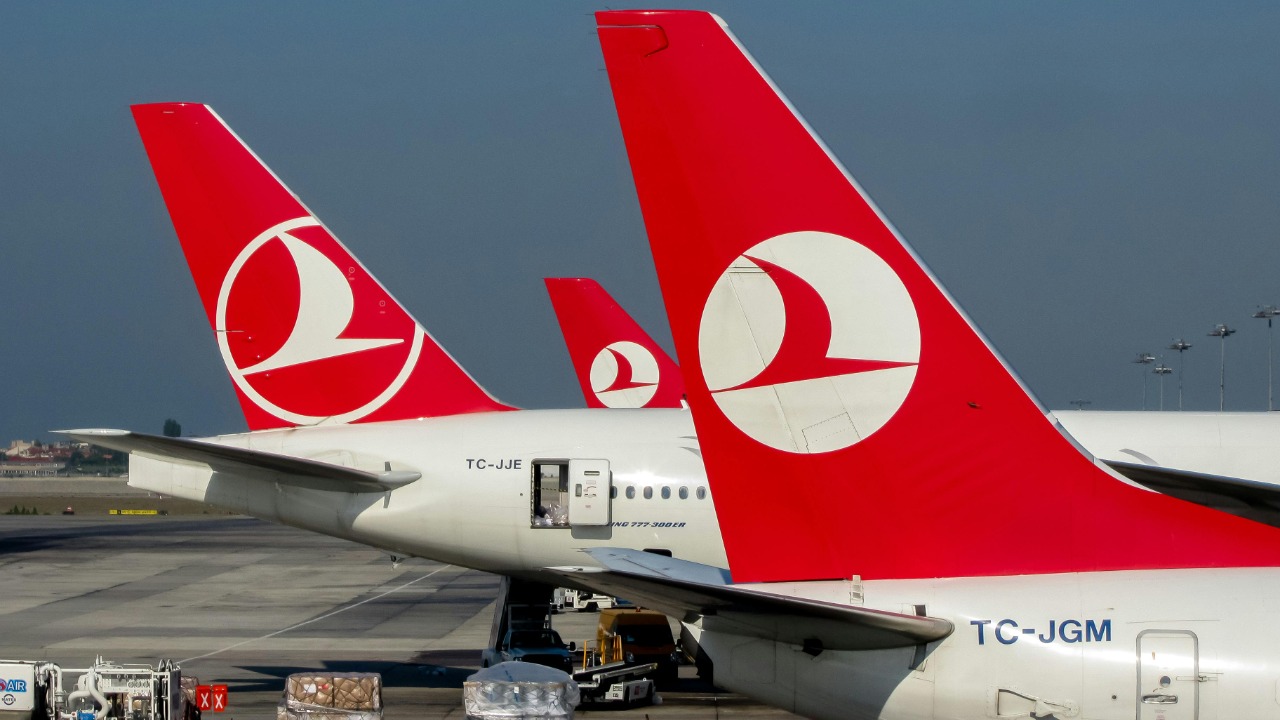

In a major milestone for global aviation, Turkish Airlines has officially added its 500th aircraft to its growing fleet, marking a historic achievement in the airline’s rapid expansion strategy. Even more ambitious is what comes next: the carrier has set its sights on doubling that number and reaching 1,000 aircraft by 2036.
The announcement signals not just growth for Turkey’s flag carrier, but a broader shift in the global aviation landscape as airlines position themselves for long-term dominance in international travel.
A Landmark Moment for a Global Carrier
Founded in 1933 with just five aircraft, Turkish Airlines has transformed into one of the world’s most expansive international carriers. Operating out of its massive hub at Istanbul Airport, the airline now serves more countries than any other airline in the world.
Reaching the 500-aircraft mark is symbolic of the airline’s aggressive fleet modernization and network expansion strategy. Over the past decade, Turkish Airlines has steadily increased capacity, added new long-haul destinations, and strengthened its position as a bridge between Europe, Asia, Africa, and the Americas.
The addition of the 500th aircraft underscores its commitment to maintaining a young, fuel-efficient fleet capable of competing with global giants.
The Road to 1,000 Aircraft by 2036
Looking ahead, Turkish Airlines has outlined a bold plan to double its fleet within the next decade. The target year, 2036, coincides with the airline’s long-term strategic roadmap and anticipated growth in passenger demand.
The airline’s expansion plan is built on several pillars. First, increasing long-haul capacity to North America, Asia-Pacific, and Africa. Second, expanding cargo operations, which have become a key revenue stream in recent years. And third, strengthening its regional and short-haul network across Europe and the Middle East.
Fleet growth of this magnitude will require major aircraft orders from global manufacturers such as Airbus and Boeing. Turkish Airlines has historically operated a mixed fleet from both manufacturers, balancing wide-body and narrow-body aircraft to optimize operational flexibility.
Reaching 1,000 aircraft would place Turkish Airlines among the largest airline fleets in the world, competing with leading global carriers in scale and connectivity.
Istanbul as a Global Aviation Hub
Central to this expansion strategy is Istanbul’s unique geographic position. Located at the crossroads of Europe and Asia, Istanbul allows Turkish Airlines to operate efficient connecting routes between continents.
The opening of Istanbul Airport in 2019 dramatically increased the airline’s capacity for growth. Designed to handle up to 200 million passengers annually when fully completed, the airport was built with expansion in mind. Its scale and infrastructure are key enablers of Turkish Airlines’ long-term ambitions.
As global travel demand rebounds and continues to rise, Istanbul’s strategic location provides a natural advantage for connecting passengers traveling between East and West.
Strengthening Cargo Operations
Beyond passenger travel, Turkish Airlines has aggressively expanded its cargo division. Turkish Cargo has emerged as one of the fastest-growing air freight brands worldwide.
With global supply chains increasingly reliant on air transport for high-value and time-sensitive goods, expanding the cargo fleet is a central component of the airline’s 2036 vision. Dedicated freighters, along with belly cargo capacity on passenger aircraft, will play a significant role in achieving revenue and network targets.
The airline’s cargo hub, also based at Istanbul Airport, is designed to support large-scale logistics operations, positioning Turkey as a major trade bridge between continents.
Sustainability and Fleet Modernization
As the airline grows, sustainability remains a major focus. Aviation faces mounting pressure to reduce carbon emissions, and fleet modernization is a key strategy for achieving efficiency goals.
New-generation aircraft from Airbus and Boeing offer significant fuel savings compared to older models. By investing in more fuel-efficient jets, Turkish Airlines aims to reduce per-passenger emissions even as overall capacity expands.
The airline has also committed to exploring sustainable aviation fuel (SAF), carbon offset programs, and other environmental initiatives aligned with global climate goals.
Balancing rapid expansion with environmental responsibility will be one of the airline’s biggest challenges in the coming decade.
Competing on the Global Stage
Turkish Airlines’ ambitious fleet plan reflects intensifying competition in global aviation. Major Gulf carriers, European network airlines, and Asian mega-carriers are all investing in fleet upgrades and route expansion.
However, Turkish Airlines has carved out a unique competitive niche by offering access to more international destinations than any other airline. Its ability to connect secondary cities through Istanbul provides a network advantage that few competitors can match.
Doubling its fleet would allow the airline to increase frequency on popular routes, launch service to underserved markets, and enhance overall passenger connectivity.
Economic Impact and National Strategy
The expansion of Turkish Airlines is closely tied to Turkey’s broader economic ambitions. Aviation is a strategic sector for the country, contributing significantly to tourism, trade, and employment.
Growing the fleet to 1,000 aircraft would not only strengthen the airline’s global ranking but also support thousands of jobs in aviation, logistics, maintenance, and airport services.
The airline’s growth is often viewed as a symbol of Turkey’s rising influence in international commerce and infrastructure development.
Challenges Ahead
While the vision is ambitious, reaching 1,000 aircraft by 2036 will require navigating multiple challenges. Aircraft manufacturing delays, supply chain constraints, geopolitical tensions, fuel price volatility, and fluctuating passenger demand all pose potential obstacles.
Global aircraft manufacturers have faced production bottlenecks in recent years, which could affect delivery schedules. Additionally, economic downturns or unexpected global events could temporarily slow growth.
Nevertheless, Turkish Airlines has demonstrated resilience in past crises, including the global pandemic, where it quickly adjusted capacity and leaned heavily on cargo operations to stabilize revenues.
A Transformational Decade Ahead
Adding the 500th aircraft is more than a numerical achievement. It represents decades of strategic planning, infrastructure investment, and brand development.
Looking toward 2036, Turkish Airlines is not merely expanding its fleet it is reshaping its identity as a mega-carrier with global reach. If the airline succeeds in doubling its aircraft count, it will solidify its position among the world’s aviation powerhouses.
The journey from five planes in 1933 to 500 today has been extraordinary. The next leap to 1,000 aircraft could redefine the balance of power in global aviation.
For passengers, the expansion promises more destinations, increased flight frequencies, and enhanced connectivity across continents. For the aviation industry, it signals that Turkish Airlines intends to play an even larger role in shaping the future of international travel.
As 2036 approaches, all eyes will be on Istanbul and on whether Turkish Airlines can turn one of the boldest fleet expansion plans in modern aviation into reality.