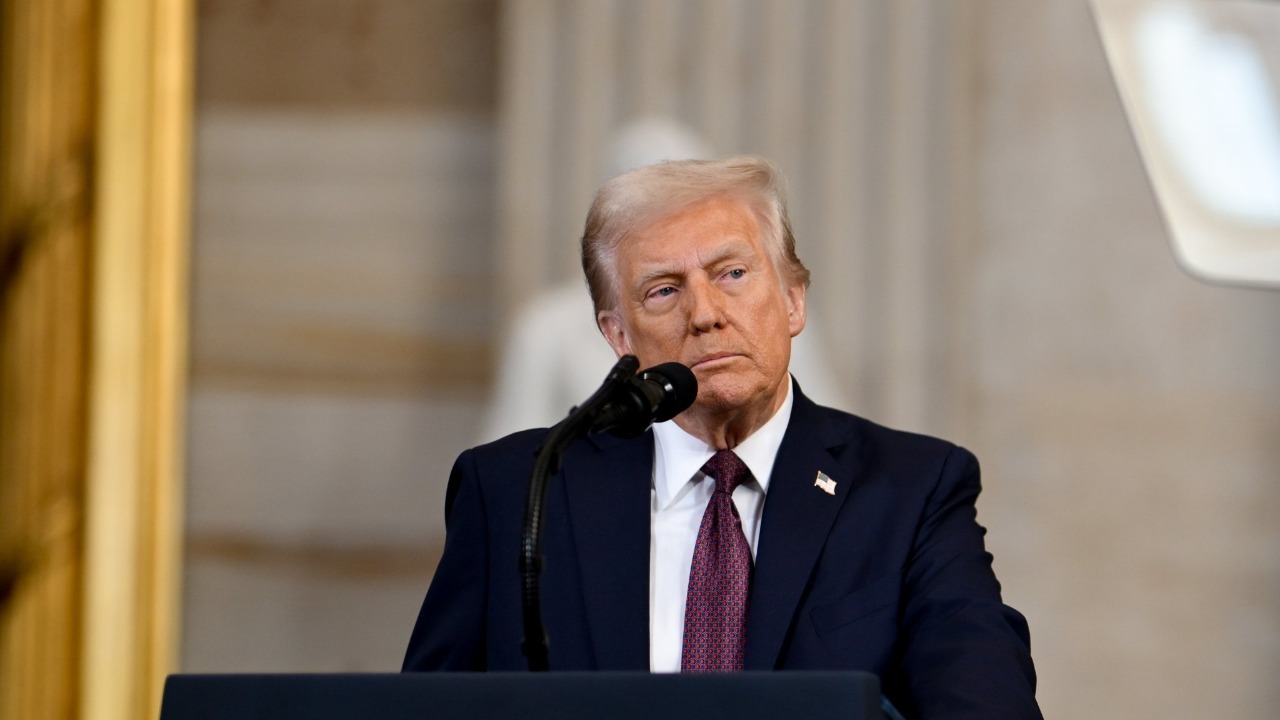

The Trump administration is betting that a new wave of artificial intelligence specialists can rewrite how Washington works. At the center of that effort is an elite AI “Tech Force” that aims to pull top engineers out of companies like Amazon and Apple and drop them into the federal bureaucracy. Supporters say this is how the United States wins the race for AI power, while critics see a flashy reboot that may repeat old mistakes.
The project reaches far beyond a hiring push. It is tied to a broader plan to reorganize agencies, build new data pipes and embed tools from firms such as Palantir deep inside the Department of War. Together, these moves amount to a test of whether a White House can run government more like a tech company — and whether AI experts are willing to sign up for that experiment.
From campaign slogan to government-wide hiring blitz
The formal blueprint for this effort sits in a federal initiative called Tech Force, which its own site describes as an elite group of around 1,000 specialists in artificial intelligence and related fields. The program is set up so agencies can tap this pool of talent for short, high impact tours, then help those people land back in the private sector using a dedicated recruiting platform after they leave. The Trump administration has framed Tech Force as the human engine behind its broader AI drive, presenting it as a fast moving alternative to the slow hiring systems that have long frustrated federal managers.
Officials have been clear that this is not a modest pilot. Reporting on the launch says The Trump administration plans to hire 1,000 specialists for Tech Force, targeting engineers and data scientists from firms such as Amazon Web Services, Apple and Microsoft. A separate description of the hiring push notes that the two year program offers salaries up to $200 thousand and is pitched as a way to “serve the American public through better technology.” That mix of high pay, short terms and patriotic branding is designed to lure people who might never have pictured themselves as federal employees.
Trump’s AI vision and the Department of Government Efficiency
Tech Force does not exist in a vacuum. It is one piece of a larger structure built around The Department of Government Efficiency, often shortened to Doge, which was created by Trump through executive order as part of his second term agenda. According to its charter, Department of Government is tasked with cutting duplication, consolidating back office systems and pushing agencies toward shared services. Doge gives the White House a central lever to direct where Tech Force teams land and which legacy systems they try to replace.
The Trump administration has also wrapped Tech Force inside a broader national AI strategy. A White House document called The Plan describes America’s AI Action Plan and identifies over 90 Federal policy actions across three pillars: Accelerating Innovation, Building American AI Infrastruc and a third track focused on skills and governance. Within that framework, Tech Force is the workforce arm, meant to turn those policy lines into working code and deployed systems. The United States, as the national AI portal bluntly puts it, is “in a race to achieve global dominance in artificial intelligence,” adding that Whoever has the largest AI ecosystem will set the rules.
Inside the AI tech force: structure, roles and private sector ties
From the outside, Tech Force looks like a mashup of a consulting firm and a government fellowship. The official site describes Tech Force as a distributed network, not a stand alone agency, with members embedded across departments to accelerate artificial intelligence projects and modernize core systems. A separate hiring overview explains that the U.S. Tech Force is a two year program that rotates people through high priority projects, offers salaries up to $200 thousand and then helps them find roles back in industry.
That design reflects how the Trump team sees the talent market. Reporting on the launch says The Trump administration moved in Dec to create a Tech Force that could recruit from giants like Amazon Web Services and Apple, pitching the chance to build national scale systems without giving up private sector pay. Another account notes that this effort, which officials say was launched under Elon Musk earlier in the year, is no longer run as a single centralized shop and now coordinates with other initiatives instead. That shift, described in one report on Elon Musk and the early structure, shows how fluid the model still is.
The Musk connection and a shifting AI power map
One of the more unusual features of the Tech Force story is the role of Elon Musk. According to a detailed account of the program’s evolution, the initial version of the effort was launched under Elon Musk earlier in the year, before being folded into a broader set of AI projects run through the Trump administration. Officials have since said that the Musk led structure, which acted as a centralized AI shop, has been replaced by a more distributed model in which agencies pull in Tech Force teams as needed.
The change also reflects a broader Trump push to move fast on AI. One report notes that The Trump administration has sought to stand up Tech Force and related projects by the first quarter of 2026, a tight window for building a new federal workforce. Another account explains that, over the same period, the administration pushed hundreds of thousands of government employees to leave and dismantled many existing technology units. The Tech Force program, described in one report that begins with the word After, is meant to backfill some of that lost capacity with short term specialists who can step away from private sector companies for a limited time.
Palantir, the Department of War and the AI battlefield
While Tech Force is about people, the administration’s AI push also leans heavily on outside tools. In a recent discussion of the program, Kupor pointed to Palantir as one of the companies already playing a key role in integrating artificial intelligence into the Department of War. The same account says Palantir is central to how the department pulls together battlefield data, and that new AI features are expected to roll out over the next 30 to 45 days. For Tech Force, that means many of its early projects are likely to sit at the edge of defense and security, not just back office automation.
The Department of War’s embrace of AI fits with the national strategy laid out on the federal AI portal. That site frames the stakes in blunt terms, saying The United States is in a race to achieve global dominance in artificial intelligence and linking that race to “Leading International Diplomacy and Security.” In that framing, Tech Force engineers are not just writing code for benefits portals, they are part of a wider contest over who sets the technical standards and norms for military and diplomatic uses of AI. The Trump team’s choice to lean on firms like Palantir, and to embed Tech Force inside agencies tied to security, shows where it expects the fastest returns.