
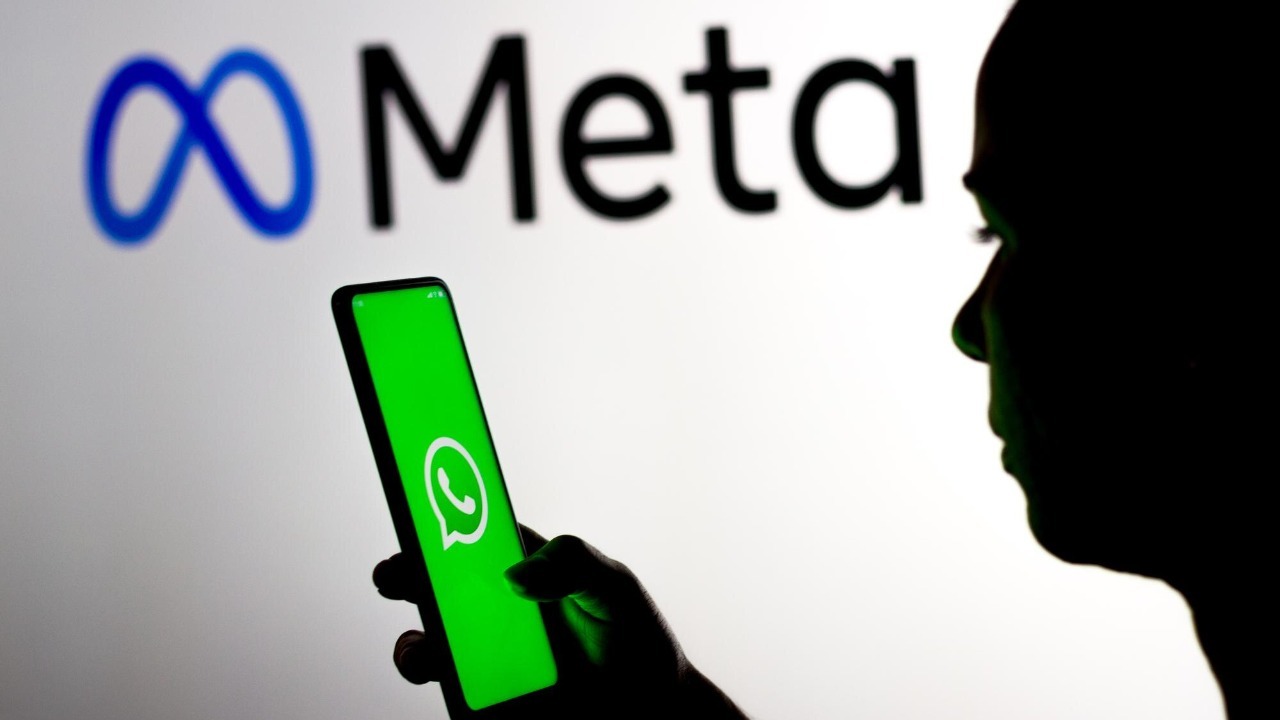

Russia’s decision to cut off WhatsApp has turned a long-running standoff with foreign tech firms into a direct fight over who controls everyday communication. WhatsApp says Russian authorities tried to shut the service down nationwide to drive users toward a state-backed messaging platform, raising fresh fears about surveillance, censorship, and the future of private chat in the country.
For more than a decade, WhatsApp has been a default channel for families, small businesses, and local communities across Russia. The attempt to replace it with a government-approved alternative is not only a technical move but also a political signal about how far the state is willing to go to keep digital conversations within its line of sight.
From throttling to a full-scale block
Russian officials have not flipped this switch overnight. Authorities began tightening control over foreign messaging services earlier, including limits on calls and demands for data access. Reports say Russia began limiting on major platforms after accusing them of refusing to share information with law enforcement, and those restrictions set the stage for harsher steps against WhatsApp itself.
The pressure campaign escalated when regulators decided to remove WhatsApp from official systems that track online services. Russian authorities took Meta-owned WhatsApp out of an internet regulator registry, a move digital rights advocates see as part of a broader strategy to clear space for tools that are easier to monitor. By stripping WhatsApp of that status, regulators made it simpler to justify and enforce a nationwide block.
A push toward a state-backed app
WhatsApp’s parent company, identified in filings as META PLATFORMS, INC, says the ban is not just about law enforcement access but about steering people into a government-approved alternative. Russian officials have been promoting a state-backed messaging app as a safer and more patriotic choice, while critics argue that such tools are built to give authorities deeper visibility into private life. The clash is no longer only about content moderation; it is about who designs the pipes that carry Russia’s digital conversations.
Outside observers describe the move as an effort to shift more than 100 m users off WhatsApp and even Telegram and onto a domestic platform that is easier to supervise. That push fits with years of Russian efforts to build a more closed internet, where key services, from search to social media, are either homegrown or tightly controlled. For the Kremlin, a state app promises technical control and political reliability; for users, it raises sharp questions about how much privacy they are willing, or forced, to give up.
Regulators, registries, and the legal pretext
Officials have framed the crackdown on WhatsApp as a matter of law and order. Russian regulators point to rules that require messaging services to cooperate in fraud and terrorism cases, and they say foreign companies have not met those standards. In that context, the decision by Russia to remove WhatsApp from a key online directory looks less like a technical update and more like the legal groundwork for a ban.
The state’s communications watchdog, Roskomnadzor, has become the main enforcer of this strategy. It already manages blocks on opposition websites and foreign news outlets, and now it is applying the same playbook to messaging apps. By invoking national security and data laws, Russian authorities can argue that they are simply applying existing rules, even as critics say the real goal is political control over what people can say and read.
WhatsApp’s privacy pitch versus ‘surveillance app’ fears
WhatsApp has responded by stressing its encryption and privacy features. Executives argue that end-to-end encryption protects users in Russia from snooping, whether by criminals or the state, and they warn that a government-run alternative would not offer the same shield. One detailed account describes how company representatives pushed back against what they called a surveillance app push, framing the ban as a direct attack on safety and privacy for people inside Russia.
For users, the trade-off is stark. On one side is a familiar app backed by META PLATFORMS, INC that has become a default channel for everything from school chats to small business orders. On the other is a state-approved messenger that may be more tightly integrated with Russian ID systems and local telecom networks. The privacy debate here is less abstract than usual: when people are told to move from one app to another under pressure from the state, they are being asked to accept that their conversations might be easier for officials to read, store, and search later.
Impact on users and the wider tech conflict
The block has very practical consequences for everyday life. One analysis describes how Russia has blocked for more than 100mn people, cutting off a tool used for family updates, emergency messages, and local commerce. People are already looking for workarounds, from VPNs to switching to other foreign apps, but each of those steps carries risk in a country where digital activity is increasingly monitored.
The confrontation also fits into a longer story that began after Moscow’s invasion of Ukraine. A simmering dispute with foreign tech providers hardened into open conflict once Moscow’s February 2022 triggered sanctions, content bans, and mutual distrust. Since then, Russia has pressured Western platforms on content about the war, while companies like META PLATFORMS, INC have restricted Russian state media. The attempt to shut down WhatsApp and channel users into a domestic app is the latest step in that split, showing how geopolitical conflict now reaches straight into the chat windows on people’s phones.